


Senior Clinical Psychologist of IMH endorses Autism STEP
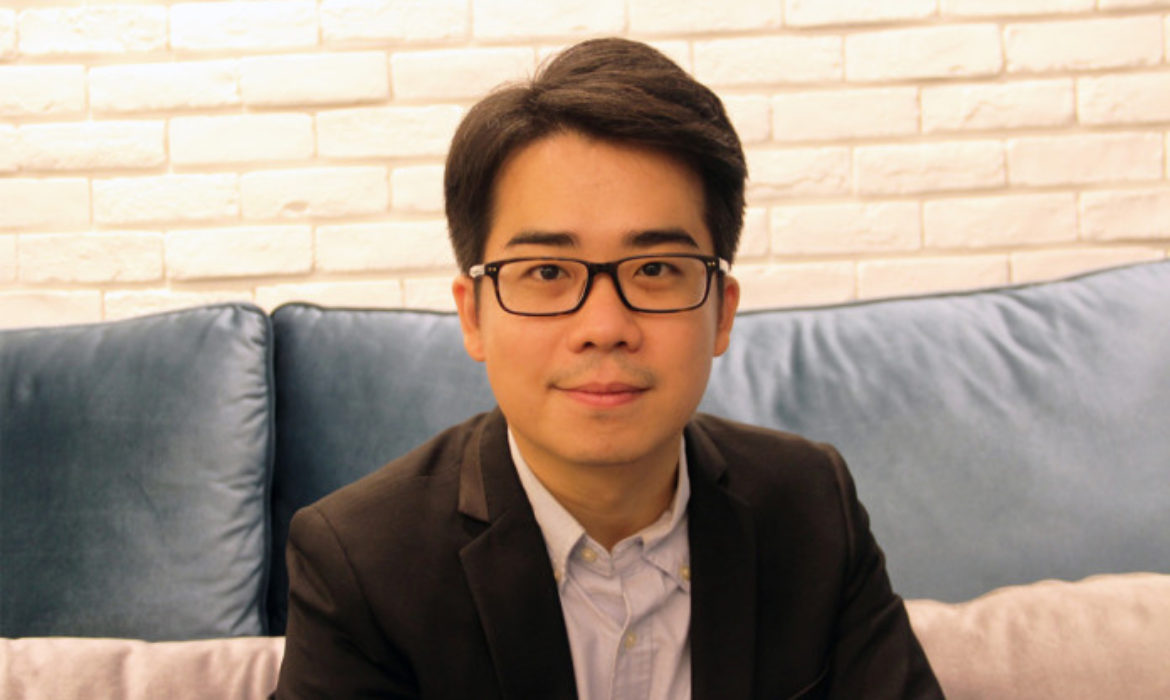
Mr Gifford Chan is a Clinical Psychologist whose experience spans many years and across various demographics. Having obtained his Masters in Clinical Psychology in the National University of Singapore, he first worked as a Senior Clinical Psychologist in the Institute of Mental Health. After which, he went on to become the Principal Psychologist at Thomson Paediatric Centre and is now currently a psychological specialist with the Singapore Armed Forces.
A shared passion for Clinical Psychology and its constructive benefits to people is what drew Mr Gifford Chan and Autism STEP’s Clinical Director, Mr Zhuang Liyuan, together as personal friends. Over the years, Mr Chan has observed the remarkable results that Autism STEP has brought to the children under their care and thus, fully endorses and recommends Mr Zhang Liyuan and Autism STEP as professional and effective caregivers for children with Autism.
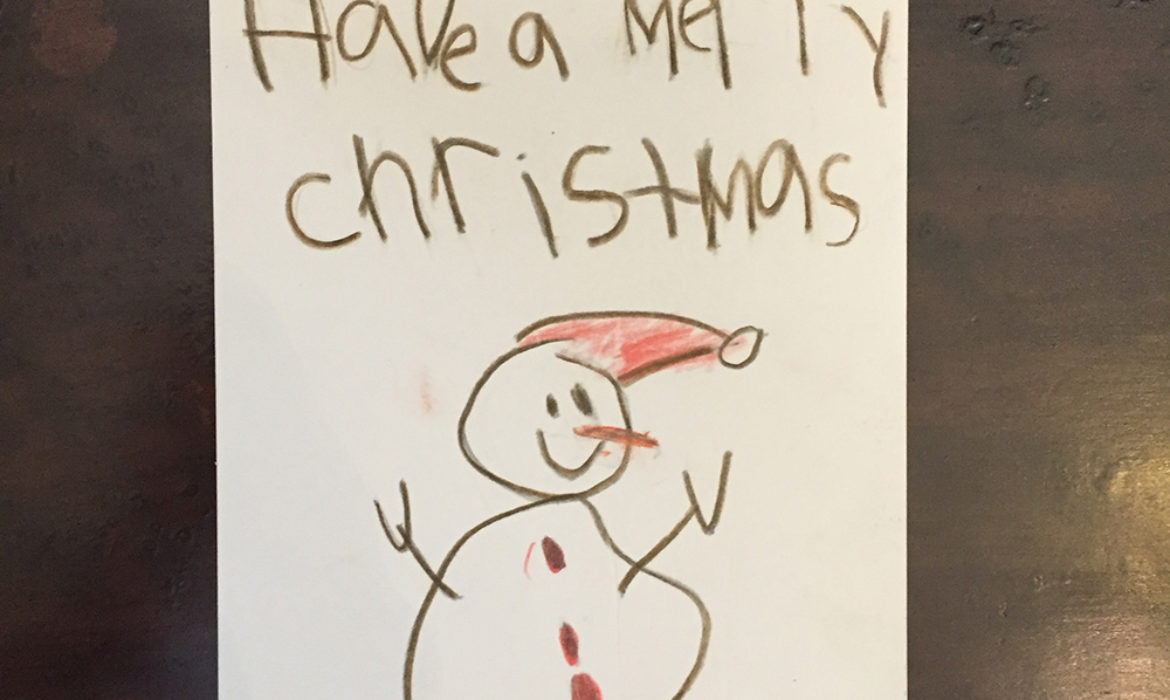
A Christmas Card from Eton
Eton, a 8 year old child that is under our care, surprises us with a Christmas card for our Programme Manager, Mr Zhang Liyuan. We still remember when we first met him few years ago where he won’t sit on the chair, unable to match and communicate, has many sensory issues and refuses to hold onto a pencil. Now, he is able to read, write and speak. We are please to see such drastic improvement in him.

Autism STEP will like to use this opportunity to wish everyone a Merry Christmas!
Case Manager
Responsibilities:
- Use ABA effectively to help children with autism
- Conducting assessment to gather information required in understanding clients’ level of functioning
- Documenting case notes, writing reports, and communicating with clients and parents to provide feedback and updates.
- Working closely with the programme manager and care givers in identifying goals that match clients’ needs
- Participating in meetings and trainings to develop relevant knowledge and skills
- Provide training and support for therapists up to the company standards
Requirements:
- At least 5 years of experience in ABA
- Degree in psychology or related field
- Ability to work independently with strong sense of responsibility, non-judgemental personal qualities, clear sense of boundaries.
- Ability to establish rapport and motivate others
- Willingness to travel

Autism STEP on GetDoc
Consultation with our Programme Manager can now be booked through GetDoc (downloadable from Playstore and App Store)

AutismSTEP Helpline
In view of the heartbreaking case of a child with Autism being pushed out of the window, AutismSTEP will like to play a part to reach out to the Parents in need.
AutismSTEP has set up a helpline, aiming to provide educational and emotional support to families with children with Autism who are in distress.
Do call us at 6456 9950 if you are or know of anyone who is facing difficulties and stress, coping with the demands of taking care of a child with Autism. Let us help you!

Singapore Successful Brand – Autism STEP
Autism STEP has been awarded Singapore Successful Brand 2015/2016. The guest of honor, Mr Zainal Bin Sapari, Member of Parliament, presented the trophy to our Clinical Director, Mr Zhang Liyuan. We are deeply honored by the recognition and will continue to uphold high service standards and help our children with Autism.


We will also like to thank our team of Therapists and Case Managers. This award is a shared effort of all of us! Thank You!

Talk By AutismSTEP @ Jurong Regional Library
Singapore National Library has invited AutismSTEP to give a talk to help educate and guide young parents what to do next when their child is being diagnosed with Autism Spectrum Disorder (ASD).
Speaker: Mr Zhang Liyuan (Clinical Director of AutismSTEP)
Date: 4th June 2016
Time: 2pm to 4pm
Venue: Programme Zone, Jurong Regional Library
No registration required. Admission is free.

Consultant for Uniqkids Jakarta
Uniqkids Jakarta has kindly engaged our Clinical Director, Mr Zhang Liyuan, as a consultant to provide consultation and program review for the children under their care.


UniqKids Jakarta is established by Ayuna Eprilisanti,S.Psi. She is ABA Program Manager who has experience more than 15 years of treating children with autism both in low and high function. She is now being continued her studies for a master’s degree of Psychology & Educational Psychologist Profession.
UniqKids provide one on one home based therapy with a team of therapist who are highly trained and have experience in handling children with autism. The program we provide is based on the individual needs and we also provide therapy in English.
One of their missions is to raise the quality of life of people with autism to blend into the wider community and can live independently when they are grown up.

Photo Shoot for Singapore Successful Brand 2015/2016 Publication book
Our Clinical Director, Mr Zhang Liyuan, had a fun time for the photo shoot for Singapore Successful Brand 2015/2016 Publication book.


We will like to thank Ms Azlinah, Graphic Designer and Photographer, and her team for taking the pictures.
 AutismSTEP