


Offering Choices To Avoid Trantrums
The way you phrase your sentences can also create a world of difference in the way your child responds.
For children with autism, make sure that you use the right verbal cues, so you can get a favourable response that will also help the child grow. One way to do it is to offer choices.
Providing choice-making opportunities has demonstrated successful outcomes to manage problem behaviour. Choices indicating personal preferences can also function as powerful reinforcers. ⭐
Have you been having a hard time dealing with your child’s temper, tantrums and meltdowns? You may read our most recent blog “9 Ways ABA Therapy Techniques Can Help Manage Your Child’s Tantrums.”
If you have other questions or concerns, feel free to message us today.

Meltdown Kit For Your Child With Autism
It helps to keep an arsenal of items that can help children cope with their emotions in a safe and positive manner.

If you are to prepare your own toolkit and customise it to suit your child’s preferences, what can we find in it? 💕
If you have questions about ABA Therapy or home sessions, feel free to send us a message now.
#AutismSTEP #autism #meltdownkit #ASD #autismsg #autismtherapy
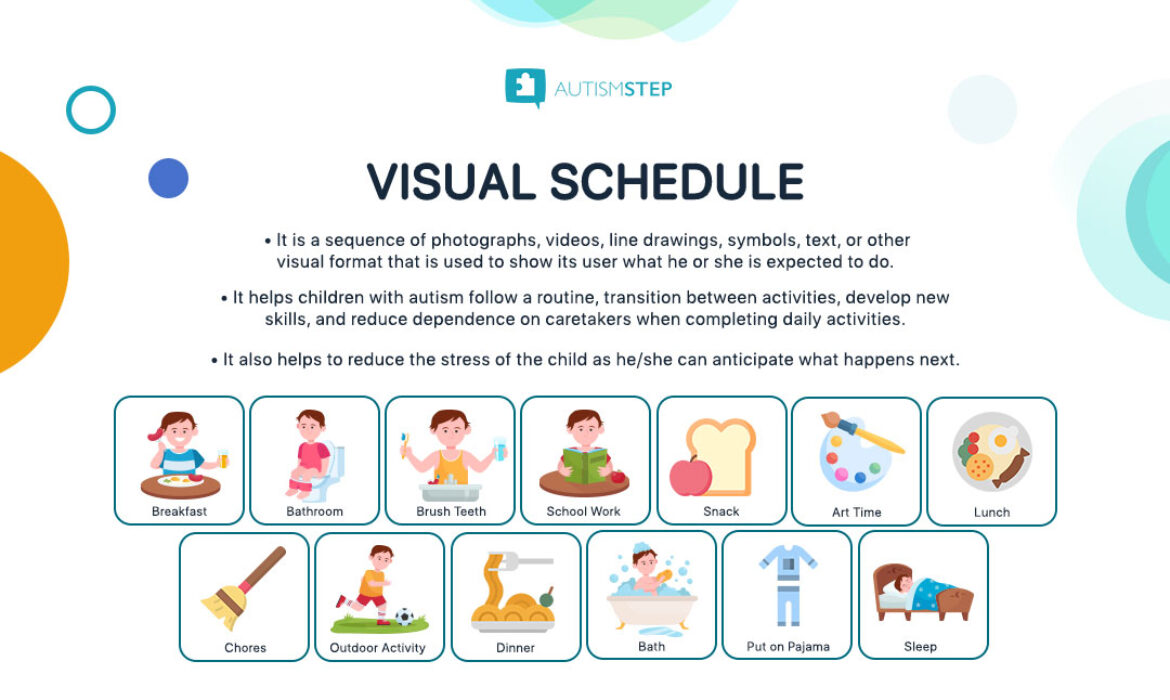
Visual Schedules for Children with Autism Spectrum Disorder
Caring for a child with autism presents unique challenges and stress. But certain strategies, like setting simple goals, can help you avoid tantrums and meltdowns. 😭
A visual schedule is a systematic technique that enhances learning and communication for individuals with autism spectrum disorder (ASD). It helps a child know what the rhythm of their day is. By establishing structure and predictability, a day’s progress may be less stressful for the child, inevitably reducing the likelihood of tantrums.
Share this with a parent who might find this useful. 💕 If you have questions about ABA Therapy or home sessions, feel free to send us a message now.
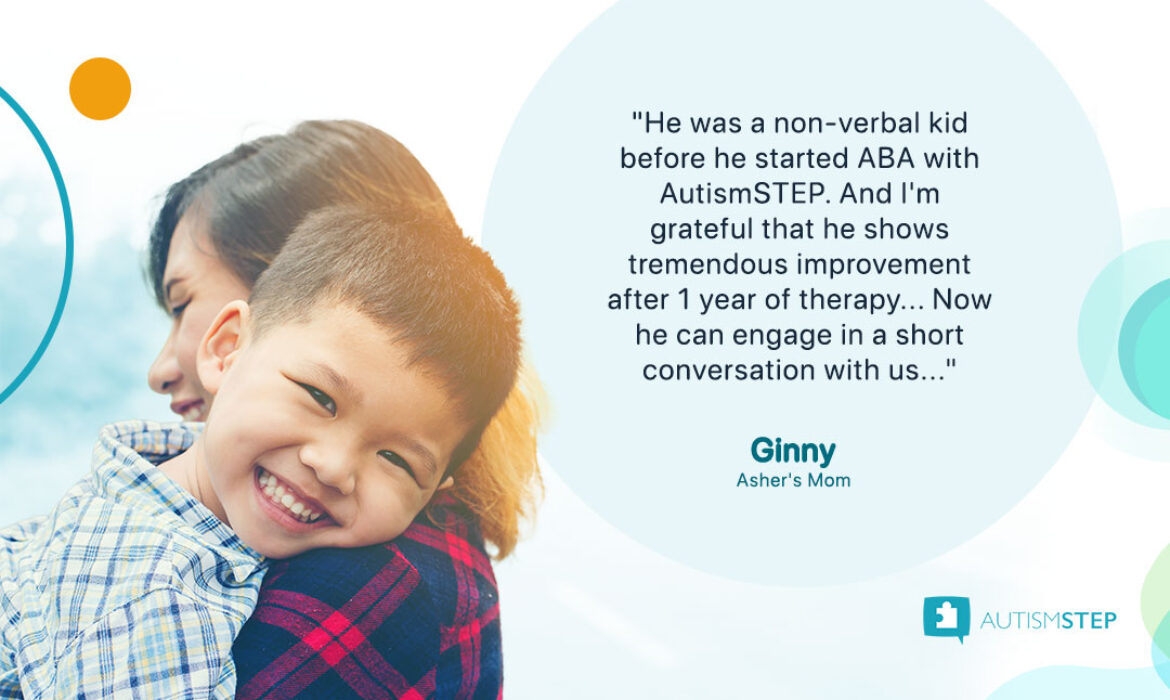
Success Story: Asher’s Family Testimonial
“I was desperately looking for help online one particular night when I realised my son started to show all the red flags of Autism symptoms. I called the hotline the next morning and spoke to Liyuan. I was grateful that he picked up my call and answer all my queries and I can still remember his calming voice as I was very upset and crying inconsolably.
I’m relieved that I manage to seek help from AutismSTEP and hearing my 3 years old son’s beautiful voice was something that I had been looking forward to. He was a non-verbal kid before he started ABA with AutismSTEP. And I’m grateful that he shows tremendous improvement after 1 year of therapy with Hilwa and Edmund.
Now he can engage in a short conversation with us, play with his little sister, answering phone call, enjoy going to childcare, and even help out with house chores. I will definitely recommend AutismSTEP to people who might need help.”
– Ginny
Asher’s mom
Age of child when intervention started: 3 years & 3 months
Length of Intervention: 15 months
Get started on your own success story. Visit ABA with https://www.autismstep.com/home-based-aba-therapy-singapore/ to learn more. Or if you have questions about ABA Therapy and home sessions, feel free to send us a message today.

9 Ways ABA Therapy Techniques Can Help Manage Your Child’s Tantrums
Meltdowns, tantrums, and aggression may all be part of raising a child on the spectrum. While these can be difficult to manage at times, having the right strategies can significantly improve his/her ability to regulate emotions in the future. As a parent, you know your child best and should, therefore, it helps that you read up on safe and effective ways to help your child cope.
Common Reasons Why Tantrums Occur
For children with autism spectrum disorder (ASD), temper tantrums may be triggered for a variety of reasons. With limited communication skills, they may engage in tantrums as a way of expressing or acting out when they are confused, afraid, anxious, or stressed about something.
A tantrum may also result when a preferred object or activity is removed. But you should also be quick to assess because a tantrum could be a response to pain, discomfort, or other medical issues.
Whether in a classroom, when receiving specialized ABA therapy, or even at home, the reason why a child is having a tantrum is important in order to develop a plan to minimise it from happening.
Tips for managing and preventing tantrums:
1. Determining the antecedent(s)
The first step to learning how to manage tantrums is determining what led up to the behaviour. Knowing how escalation occurs can be very helpful. The usual symptoms may include more than normal stimming, or rocking, asking to leave an environment, or simply bolting to escape. If you understand what triggers your child, it helps you to stop a meltdown before it happens.
2. Use a schedule to structure their time
Transitions can be a struggle for children with autism, and they respond best when they know what to expect. So, to reduce a child’s tantrums and meltdowns, you need to prepare them for what’s to come.
Schedules establish a predictable environment where a child can feel safe. It also helps them to better understand expectations and when preferred activities will occur. For instance, you can say that play time comes after bath time. You can also use schedules as a way to tell them that they can have what they want after doing something they don’t want to do. When they know what to expect, it allows a child to engage more successfully in activities and prevent tantrums.
Schedules come in many forms depending on the abilities of your child. You can use a visual schedule if they struggle reading or respond better to pictures than written words.

3. Make transitions special
Always remember that kids with autism can struggle with:
- Disengaging from the current task
- Switching attention to the new task
- Re-engaging attention on to the new task
Transitions are not particularly easy for children with special needs, but a transition object or toy can help ease some of the stress. It should only be used during specific transitions, like going from home to school. By making transitions special, your child will be more excited about a new setting or activity, which can help them prepare for what’s coming next.
Always remember that transitions can take a lot of practice before you see improvement! It may not happen overnight, but consistency and positive reinforcement can really help to build positive behaviours over time.

4. Prime the child about what’s to come
Priming is an intervention that prepares a child for an upcoming activity or event with which they normally have difficulty. When they know what’s going to happen next and are offered some suggestions of what they can do or say, it makes them less likely to engage in tantrum behaviours. Priming is most effective if it is built into the child’s routine.
5. Offer choices
Tantrums usually happen when the child feels like they don’t have a choice. These choices can be small, such as letting a child decide what toy he wants to play with, to larger decisions like when to do activities or what kind of food to eat. Offering choices between two items or activities helps the child understand that they are given some control over what is happening.

6. Break down tasks
Avoid giving too many instructions or complicated tasks because this can be frustrating for a child and it may lead to tantrums. Trying to break down tasks into easy components is an ABA technique called Task Analysis. But you can apply it when preventing tantrums because it allows you to give instructions for small tasks one at a time. Skills that require a task analysis typically consist of multiple components that comprise a larger skill (e.g., washing dishes, putting on a coat). This practice teaches your child self-help and other adaptive skills which also reduces temper tantrums.
7. Arrange their environment
Environmental manipulation can help prevent tantrums before they even begin. For example, if your child has the tendency to swipe things off the table when you tell him to do his homework, clear all unnecessary items first before telling him to do so. By removing distractions or items that cause problem behaviour, you can help your child complete more challenging activities without triggering a meltdown.
8. Reward each small success along the way
Giving positive reinforcement is one of the main strategies in ABA which can aid you in reducing tantrums. It is a great way to encourage desired behaviours, especially if you do it more often.
When a behaviour is followed by a reward, a child is most likely to repeat it. Keep rewarding your child with praise and encouragement. For example, you can say ‘Well done!’, give your child a high five or a big hug, or put a sticker on your child’s reward chart. Over time, this encourages positive behaviour change.
9. Give Frequent Breaks
Most of us get frustrated especially when we’re stuck in tasks that we find challenging, and children with ASD are no different. Let your child take breaks often, especially when they’re doing a non-preferred activity. Provide frequent breaks to minimize stress around problem situations. By doing so, you can prevent problem behaviour before it occurs. However, we will taper the frequency of breaks down once the child is accustomed to doing the task.
By following these practices, you can minimise the likelihood of a tantrum. Remember to do them before a behaviour occurs, not during or directly after a tantrum or meltdown.
If you are currently dealing with a tantrum situation at home or in the school setting, contact an ABA therapist and discuss the options available for you. Call AutismSTEP today at +65 6456 9950. We provide personalised, focused, and home-based interventions for your child. Our ABA therapists are well-equipped to assess the underlying reasons behind your child’s tantrum and teach them other adaptive behaviours.

Parenting a Child With Autism
If we want to help a child with autism progress through his or her current struggles, we need to address them on their level. The process will entail a lot of patience and understanding. Remember that each child will learn, but not in the same way.
So, hang in there! This journey isn’t easy for your little one either, but the fact that you’re doing something about it will show some improvements later on. ✨
If you have questions about ABA Therapy or home sessions, shoot us a message today. 💕
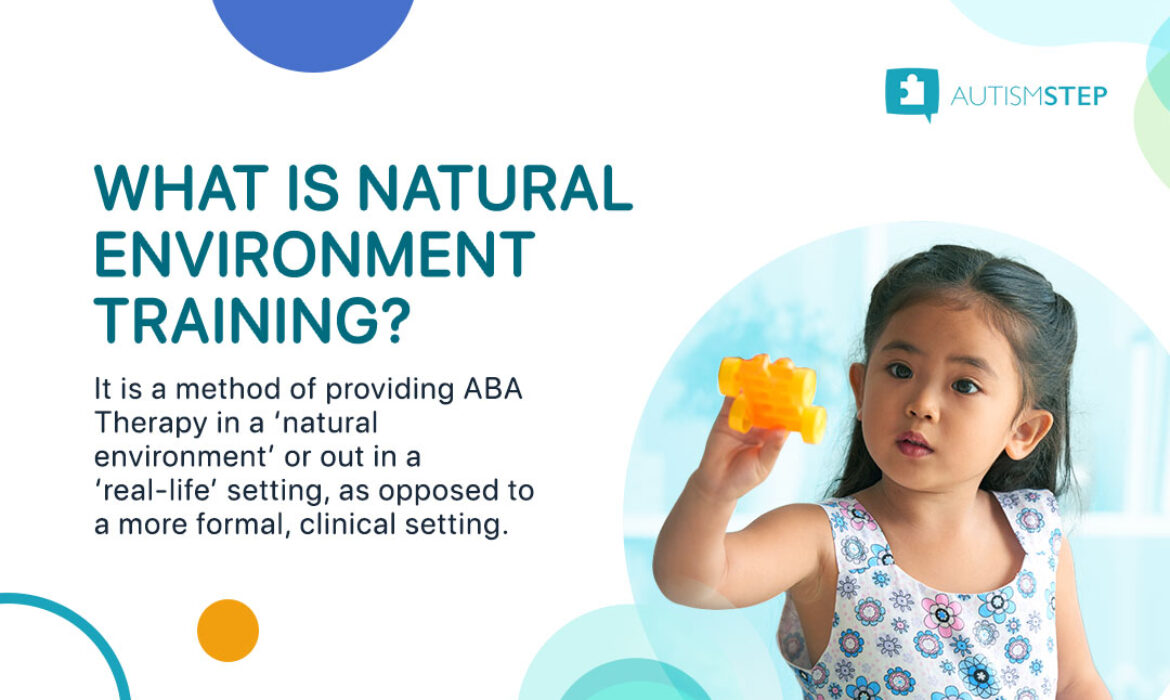
What is NATURAL ENVIRONMENT TRAINING?
Natural Environmental Training or Incidental Training focuses on teaching skills in settings where your child will naturally use them. Using a child’s natural everyday environment in therapy can help increase the transfer of skills to everyday situations and help generalisation. Generalisation is when a child is able to apply the skills that they learn in one setting to other settings—even new or unfamiliar environments. 💙
AutismSTEP helps children in the autism spectrum progress through the individual setbacks that come with autism through individualised home-based sessions. Our Home Program provides children the help they need to improve skills and their level of functioning within the environment they are most comfortable in. The process will also help the child to generalise the skillsets learned in the home setting to a natural setting. 🧩
Help a friend to make a change in the people they ❤️ Hit SHARE to spread the word.
#autismstep #autismsg #childwithautismsg #childrenwithautismsg #kidswithautismsg #autismtherapysg

The Top 3 Things You Need to Look For In An Autism Therapist in Singapore
Finding help for your child’s special needs can be tricky, because you want to make sure that you’re getting them the right kind of help. In finding an autism therapist in Singapore, it is important for you to know what signs to look for in judging the quality of the ABA provider.
First things first
After your child is diagnosed with autism, your first considerations would be to find a qualified Applied Behaviour Analysis (ABA) Therapist. Among the different interventions available for autism spectrum disorder, ABA is the most widely used that is also proven by studies. However, the treatment is only as effective as the person who delivers it.
From the time your child is diagnosed, it is best to get treatment as soon as possible. But for it to be effective, you need a licensed and experienced therapist who is qualified to do the job.
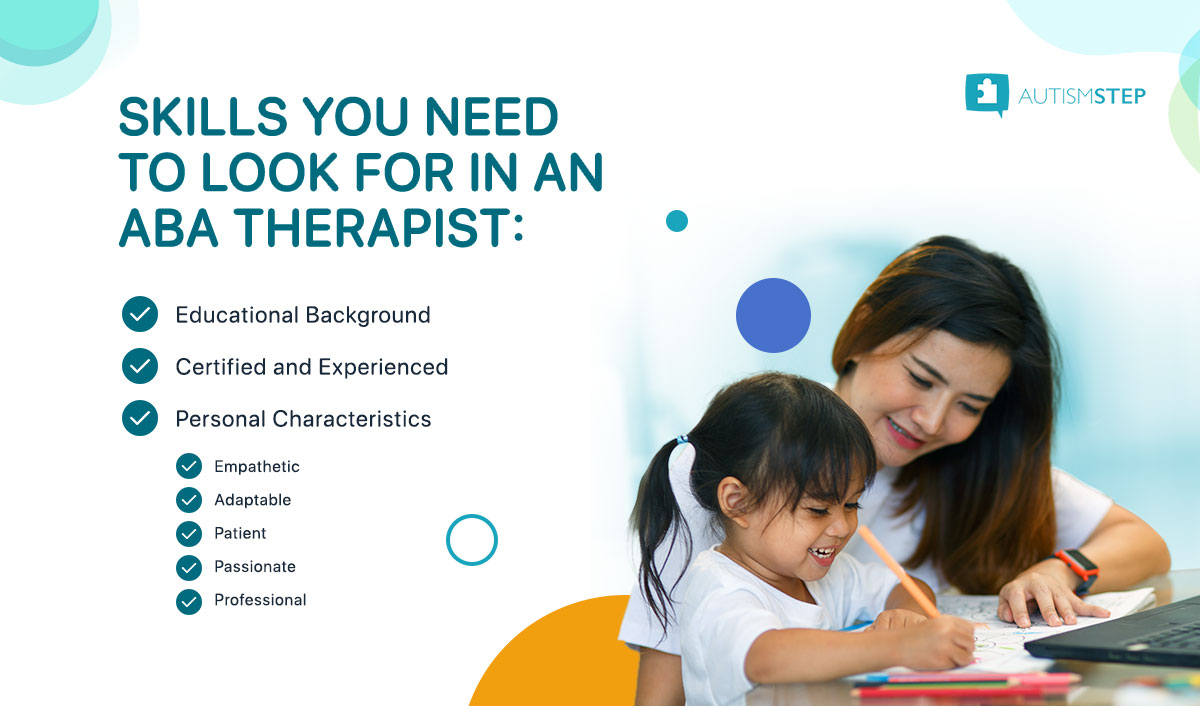
Here are the qualifications you should look for in a therapist:
1. Educational Background
The basic requirements for a qualified ABA therapist should be a Bachelor of Arts degree in Applied Behaviour Analysis, Child Development Psychology, Education, and other related fields. In undergraduates, they should be at least certified by ABA coursework.
2. Certified and Experienced
In addition to education, a qualified ABA therapist should be one who is certified. It follows that a candidate should have gained experience in ABA and have worked with children in the Autism spectrum. Any experience working with preschool children, or children the same age as yours, is also a plus!
In your child’s therapy, you can expect to be teaming up with two people. The Board Certified Behaviour Analyst (BCBA) who writes each treatment plan and a Registered Behaviour Technician (RBT) who delivers the therapy to your child.
3. Personal Characteristics
Beyond qualifications on paper, a good ABA therapist should also have the right character for the job. Dealing with children in the ASD spectrum is no easy task, and having the right attitude is a leverage to a successful intervention.
Empathetic
As an evidence-based approach, ABA works best when children with autism are under the care of empathetic and compassionate therapists. As the persons who will deliver therapy, ABA therapists need to be attuned to the child’s special needs, especially on their bad days. There will always be times when a child may be disengaged or disinterested, and may regress back to challenging behaviours. Instead of getting upset, a good ABA therapist should be empathetic because that equates to patience which would lead to a proper response. An empathetic ABA therapist takes the time to understand why the child is acting a certain way and be ready to change course if the planned session isn’t working.
Adaptable
ABA therapy is not a cookie-cutter approach. Rather, it is a flexible treatment that can be adapted to the unique needs of each child, which means ABA therapists need to be adaptable, too. They need to know how to take each child’s history, current behaviours, and challenges into consideration to determine the best course of action. What may work for one child, may not be applicable to another. By being flexible, autism therapists can reinforce desired skills while managing maladaptive behaviours.
Patient
You don’t want to leave your child under the care of someone with a short fuse since treating autism takes time and consistency. A behavioural therapist who is patient can set reasonable goals for each child and they can help them make small steps to meet them. Patience is important especially when a child displays challenging or aggressive behaviours. Instead of becoming visibly frustrated, you want someone who can stay calm and respond rationally.
Passionate
Deciding to have your child undergo ABA therapy, you want to have someone who is passionate about the topic and in helping others. These professionals should not only be aware of the basic tenets of ABA, but the latest research and trends which can equip them in addressing your child’s special needs. When one is able to strike a balance between knowledge and their passion to help, they can become the perfect instruments that can help children with autism overcome their greatest challenges and even live life to the fullest.
Professional
Besides having the heart to serve, you would want someone who is a professional, whether sessions are done at home or in a treatment centre. For your ABA therapist, that would mean arriving on time, communicating clearly with the families, and collaborating with other ABA professionals. As much as you want an understanding friend who will be regularly assisting your child, it is just as important that therapists maintain professionalism at all times.
Your Quick ABA Therapist Checklist:
- The therapist should be able to enjoy teaching and interacting with children.
- Your therapist should be able to work independently.
- A good therapist should be able to take and process directions from others.
- Your therapist can keep up with your child’s energy level because sessions with children with autism can be very tiring; does your therapist have what it takes?
- Able to take constructive observations and suggestions.
- Your therapist should be flexible and open-minded enough to accept criticisms
- A therapist must be reliable. A therapist who cancels a lot of sessions might not be fit for your needs.
- A good therapist sees the job not just a paycheck but more of a passion.
These simple guidelines in looking for an ABA therapist can be a major advantage to your child’s development. You need to heighten your awareness to see if your therapist is the right fit. If not, it’s okay to look for another one because time is of the essence for your child’s progress.
Landing a good autism therapist in Singapore is just as beneficial for you as a parent. Under the right hands, you don’t have to worry so much for your child because you know that they are under capable professionals. At the same time, you can also be a proactive partner as you learn through them in your child’s journey out of autism.
If you are already in the process of finding help for your child with autism, we hope that these reminders can lead you to the right person to deliver valuable interventions. If you have any questions, we are more than happy to assist you and connect you with a suitable ABA therapist from our team. Get in touch with us, NOW!
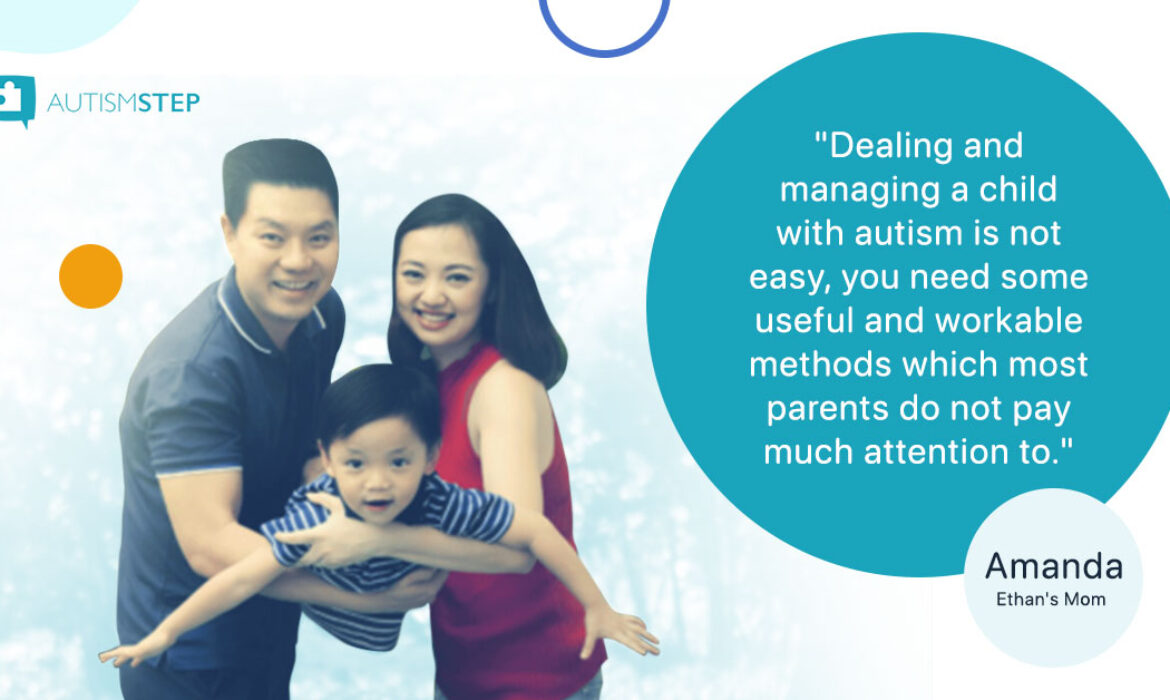
Success Story: Ethan’s Family Testimonial
“AutismSTEP was one of the most professional we have met and they have given well support, not only to our child, but also to us as parents. Dealing and managing a child with autism is not easy, you need some useful and workable methods which most parents do not pay much attention to.
By working with AutismSTEP, their therapists, case managers and program manager provide professional knowledge and skill services, sometimes even beyond their scope.”
– Amanda, Ethan’s Mom
👩👦Age of child when intervention started is 5-years-old
👩👦Length of Intervention is 8 months
Progress is not only focused on your child’s growth. It’s a collective effort where parents are also closely involved in the journey. In that way, you are also an active participant in the process. ❤️
#autismstep #autismsg #childwithautismsg #childrenwithautismsg #kidswithautismsg #autismtherapysg
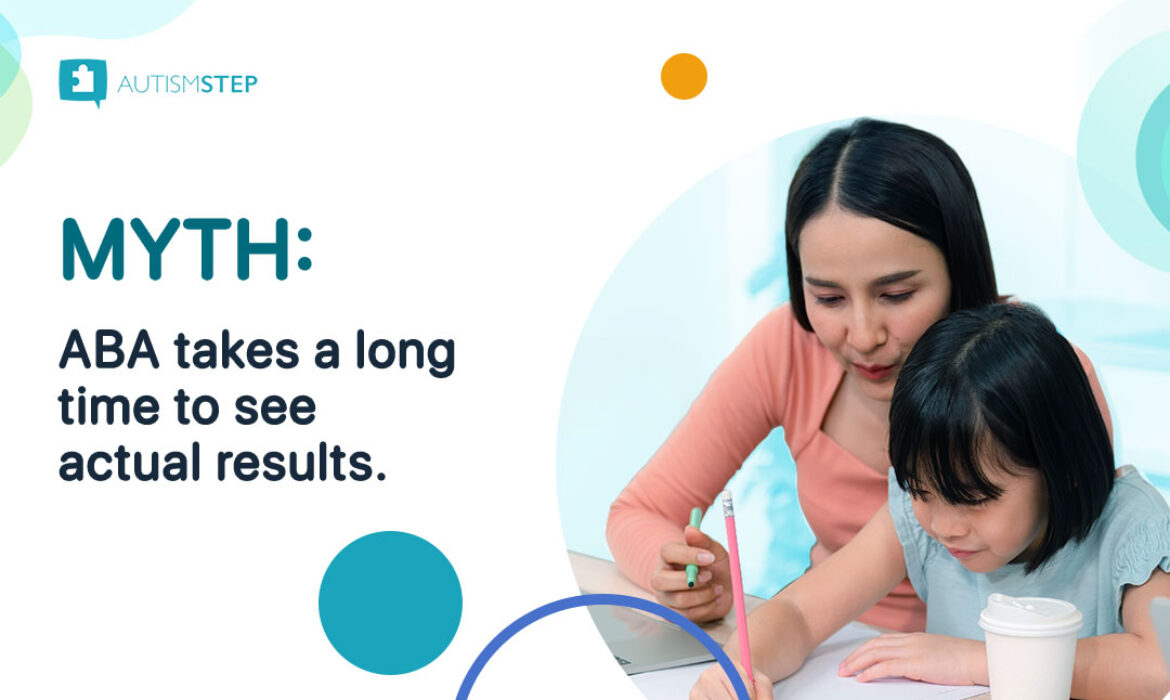
Myth: ABA takes a long time to see actual results
In ABA, the results can vary for each child. Some progress quickly, while others take more time. Just like all other therapy, ABA cannot promise instant results! The therapy focuses on moving with your child as they change and progress. If a child needs to learn basic skills, that is where the therapy will start and focus on. For instance, if parents want their child to learn how to read, therapy will start at identifying individual letters. We need to work on the prerequisites skills before the child can start reading chapter books. You will be able to see your child improve and progress towards your goal!⭐
Sharing is caring! Spread the facts and you just might help someone you know!💕
#autismstep #autismsg #childwithautismsg #childrenwithautismsg #kidswithautismsg #autismtherapysg
 AutismSTEP