


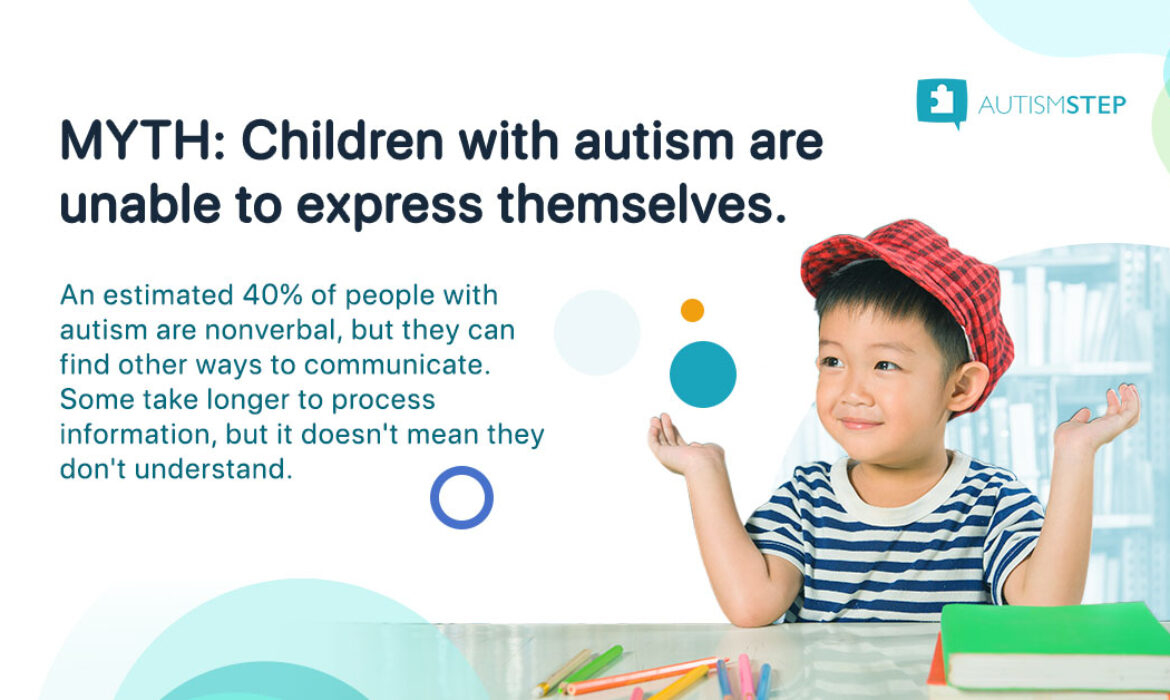
Myth About Children With Autism
There is no cure for autism, but early intervention using skills-training and behaviour modification can yield excellent results. Being in the autism spectrum doesn’t mean that the person no longer has any chance to improve and lead a normal life.
Your child has the potential to progress, maybe not in the same way as allistic individuals. The key is in starting as soon as possible!👍
Drop us a message here >> https://www.autismstep.com/contact or call us at +656456 9950. 📲

Autism Consultation Explained: What You Need To Learn About Screening and More!
The prevalence of Autism Spectrum Disorder (ASD) in children has been steadily increasing. In Singapore, 1 in 150 children is currently being diagnosed, which is higher than WHO’s global figure of 1 in 160. The importance of an early diagnosis is paramount as it allows the skills needed to enhance the child’s quality of life to be imparted at a younger age. Younger children have higher brain plasticity, which means that their brains have a greater ability to change and adapt as a result of experience. Consequently, the impact of any intervention will be more pronounced and effective.
Psychological assessments are carried out using standardised testing protocol in order to uncover potential ASD in children. They are valuable as it allows for an accurate diagnosis, for the appropriate interventions to be carried out. However, these assessments may be demanding on the child as it takes them away from their comfort zone. A successful assessment requires the assessor to possess the ability to understand and manage the challenging behaviours that the child may exhibit during the session.
This blog describes the different testing tools which are employed to help diagnose children with ASD, when you need to make that call, and what your role is as a parent through this process.
The benefit of family involvement in autism screening
Research indicates that obtaining the parents’ cooperation is essential to the screening process. This is because they are reliable sources of information about the child’s daily life and development and can provide the assessor vital information about their behaviours at home, which might not be immediately visible. Hence, parents may be considered as co-therapists.
Evidence-based screening tools that incorporate the parents’ account of happenings in the home setting help to foster structured communication between parents and providers. Examples of collaborative screening tools include the Ages and Stages Questionnaire, the Parent’s Evaluation of Developmental Status, and Child Development Inventories.
A parent’s involvement also sheds light on the main areas of concern for the child. This collaborative dynamic between you and the provider reveals the collective observations about your child’s development. This is particularly helpful especially in home-based therapies where most of the behaviours of concern are being exhibited in the home setting.
We aim to constantly keep you in the loop, ensuring that you are in a better position to enhance your child’s learning progress and improve their behaviour.
What is a psychological evaluation?
When parents, teachers, or any individuals who are working closely with a child detect possible developmental, learning, or behavioural delays, they may be referred for a psychological assessment.
An evaluation provides information that will determine if the child meets the criteria for any possible diagnoses. This is important as the appropriate plan for intervention, in order to best help the child, can then be developed. It also enables parents, teachers, and other providers to better understand the child’s strengths and weaknesses. Obtaining this knowledge is crucial for you, as it then becomes easier to map out goals and determine how best to monitor progress.
When should you decide to let your child undergo psychological evaluation?
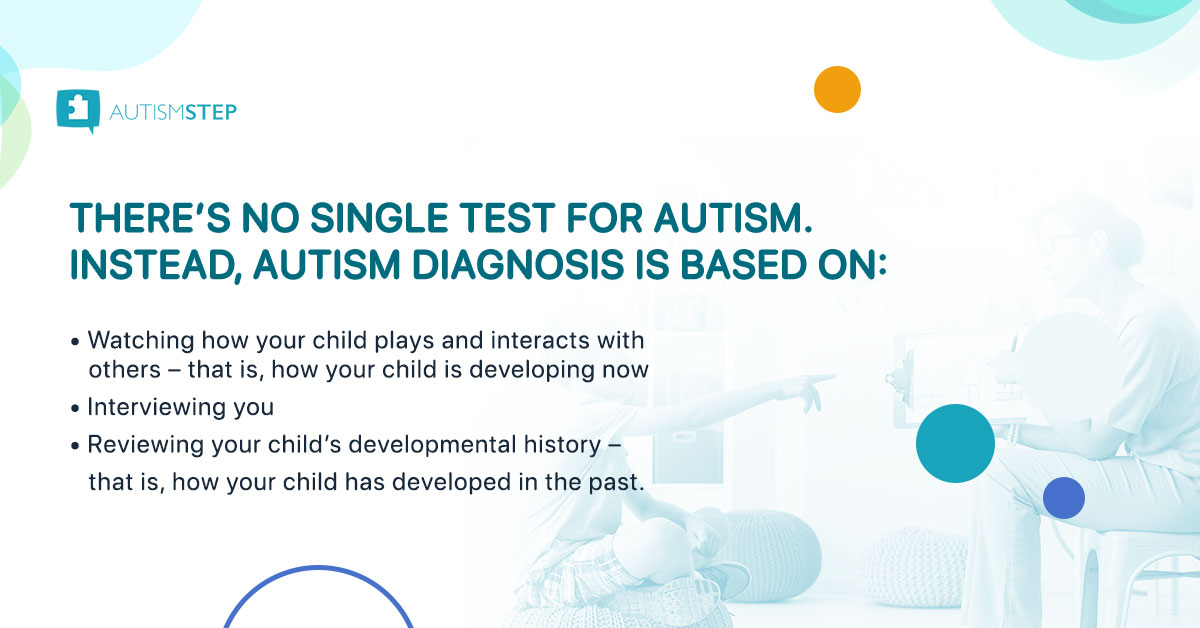
Anytime you notice any significant delays in your child (this can take the form of social interactions, learning, speech etc), you can have them undergo a psychological evaluation to determine if they meet the criteria for Autism Spectrum Disorder (ASD).
You are the primary source of information about their intellectual or academic strengths and weaknesses, these include language skills, speech, and/or difficulties with behaviour and executive functioning (e.g. display self-control, sustained attention, problem solving). Make sure that you provide a detailed and accurate account as this will be essential in creating an accurate diagnosis.
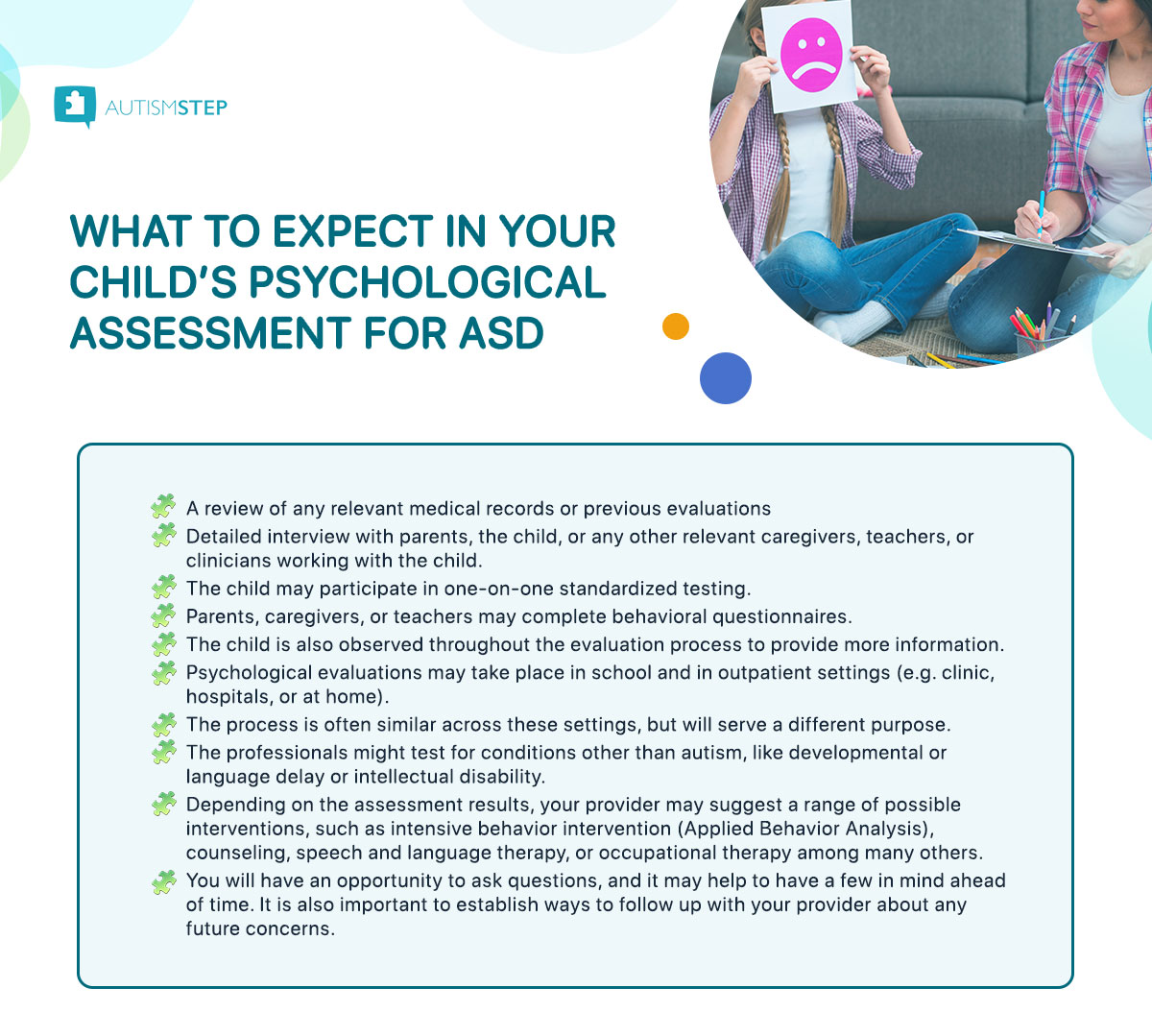
These evaluations consist of several components so that we are able to synthesise the information about the child from multiple perspectives. This allows providers to create a stronger diagnosis rather than relying solely on the results of a standardised test.
What are Standardised Tests?
Standardised tests are assessments that are administered, scored, and whose results are interpreted in a consistent and uniform manner. They provide normalised scores that can be used to compare your child’s performance to a baseline. It is usually administered in a one-to-one setting, and it’s conducted either by a psychologist or any qualified professional.
In education settings, standardised tests are administered by a school psychologist to determine if a student is eligible for special education services. They may also be administered in a medical or clinical setting to determine if a child meets criteria for a diagnosis such as an intellectual or learning disability. There are several traits, characteristics, or abilities of the child that may be examined using individually administered standardised tests.
Professionals may first employ screening tools to decide whether your child displays sufficient signs of autism to be recommended to undergo a full assessment. Some professionals also use these screening tools in conjunction with their own professional judgment to make a diagnosis.
The different types of screening tools available today include:
Autism Behaviour Checklist (ABC) – This is a clinical tool that is used to screen for autism in individuals 3–35 years of age. This was designed to objectively identify autism in children. The scale utilizes an observer’s rating of the child’s behaviour to quantify behaviours typically associated with Autism.
Childhood Autism Rating Scale – Second Edition (CARS2) – This is a 15-item rating scale used to identify children with autism and distinguish them from those with developmental disabilities. It is empirically validated and provides concise, objective, and quantifiable ratings based on direct behavioural observation.
Social Communication Questionnaire – Previously known as the Autism Screening Questionnaire (ASQ), the SCQ is a brief instrument that helps to evaluate the communication skills and social functioning of a child who may have autism or other disorders in the spectrum.
Social Responsiveness Scale – Second Edition (SRS-2) – This is a 65-item rating scale measuring deficits in your child’s social behaviour associated with Autism Spectrum Disorder (ASD), as outlined by the Diagnostic and Statistical Manual of Mental Disorders.
What are the barriers to success in individualized standardised testing for children with ASD?
There are certain characteristics of autism spectrum disorder which may impact performance during standardised testing.
- Language Deficits. Some children on the autism spectrum may display delayed speech and language skills. That is why professionals take into consideration verbal language proficiency as this may have an impact on how they process directions as well as their ability to explain what they know.
- Behavioural Difficulties. Children on the autism spectrum are likely to engage in disruptive behaviours. For example, this type of behaviour can be displayed if a child finds a task too difficult and causes them stress or anxiety. A child may also have a hard time participating in standardised testing if he/she struggles with following verbal instructions or engages in stereotyped or repetitive behaviours. In these circumstances, the child will be more likely to engage in off-task behaviours that impair their ability to complete activities to the best of their ability.
- Joint Attention Deficits. Joint attention is the child’s ability to share interest in an object or event with someone else. During standardised testing, the child is made to look at pictures, or other activities when asked to do so. Otherwise, they may not understand the task. It’s typical for children with ASD to have delayed joint attention and this may impact their performance.
- Sustained Attention. It’s typical for children in the autism spectrum to struggle with maintaining their attention, especially during activities that they’re not interested in. This can affect performance during tests that have a time limit.
What modifications can psychologists make to accommodate children with ASD?
In consideration of these barriers, behavioural therapists who use standardised testing will make the appropriate adjustments to support improved outcomes. Whilst the process often requires certain structured procedures, therapists who work with children on the spectrum may need to employ certain adaptations to better accommodate the specific needs of each child.
If you’re still unsure of your child’s situation, we would be happy to conduct an assessment. Book an autism consultation with us today and we would be happy to answer all your questions and discuss the necessary screening your child needs.
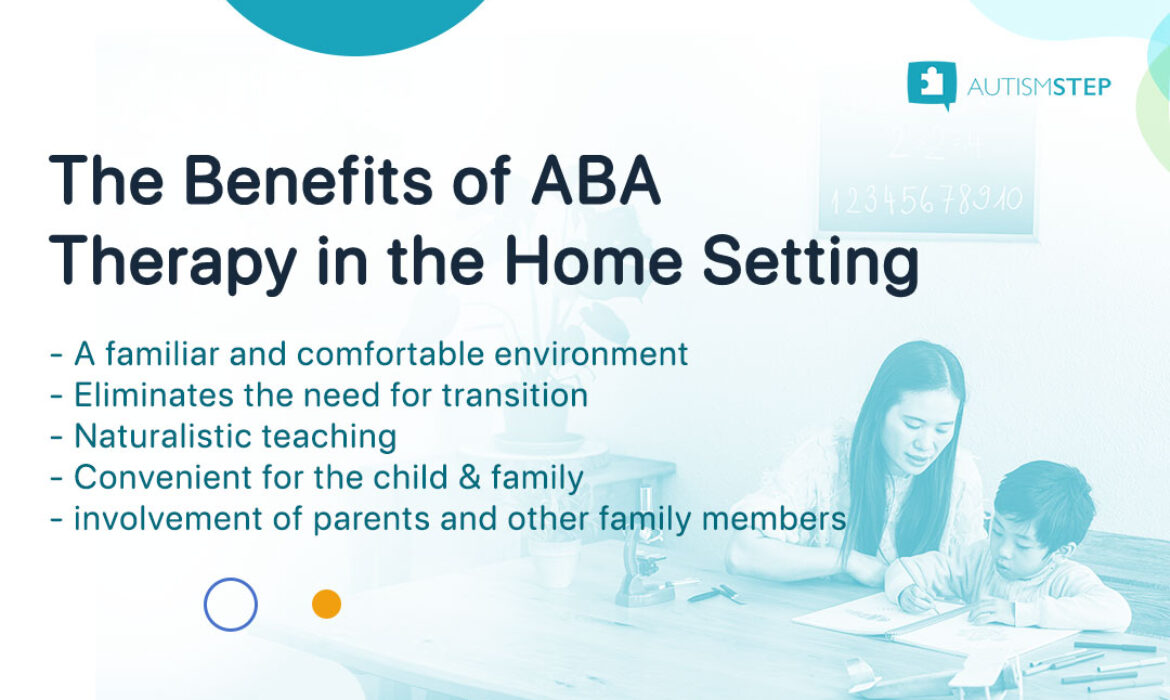
Benefits of ABA Therapy at Home
Some families choose for their children to receive therapy in their homes. It works well for some children who feel more comfortable learning life skills in their usual surroundings. Conducting therapy in the child’s natural environment allows them to practice skills directly related to family concerns.
However, parents shouldn’t attempt ABA therapy on their own. It’s essential to have the guidance of a licensed therapist to help parents get started.
Conducting therapy at home promotes parental and family involvement. The therapist works with the parents to develop a program suited to their child’s learning and behavioural needs.
Are you keen to get this kind of help right in the comfort of your own home? Talk to our team today to see how we can help you.
Goals to Address in ABA Therapy
The goal of ABA therapy is to improve social interaction, engage in positive behaviours, and develop new skills. The meaningful and sustained behaviour change is meant to be applied across multiple places and situations.
Typical goals for a child with autism are to improve the child’s response to situations, accelerate learning, improve focusing abilities, and learn personal tasks.🚶♂🚶♀
Treatment success varies according to the severity of symptoms and how well a child adapts to therapy. If you want to get your child on this path, we can discuss more of this treatment with you. ❤️
#AutismStep #ASD #ABA #ABAtherapy #autism
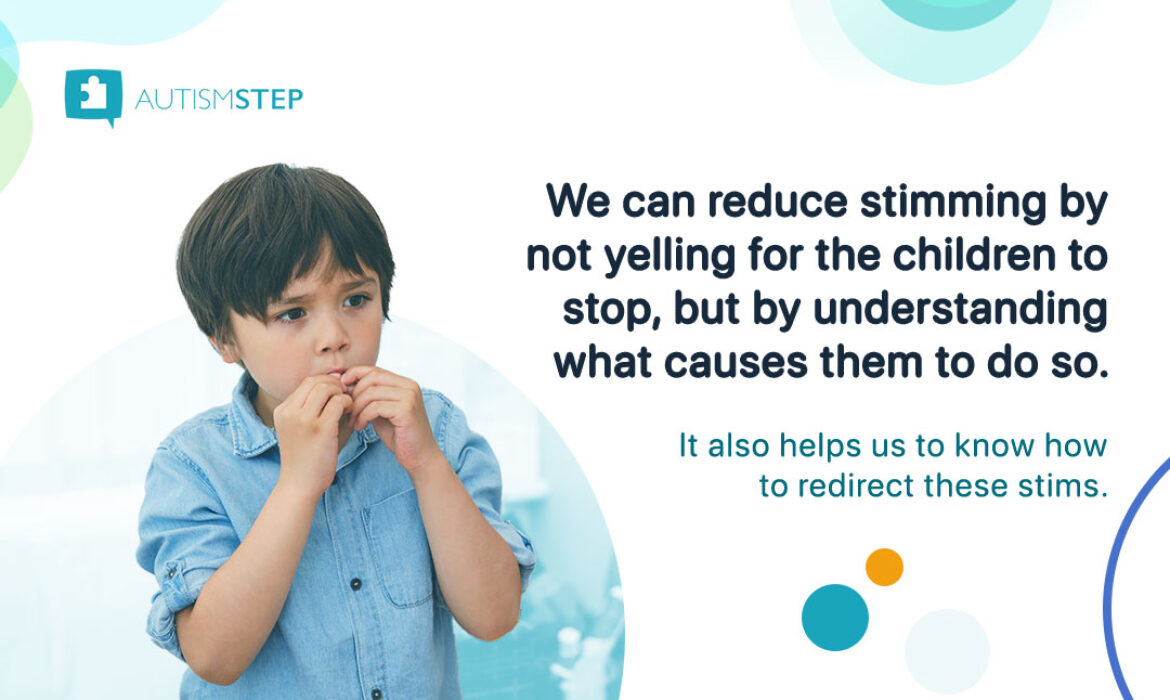
3 Ways on How You Can Reduce Stimming Behaviours
Stimming, or self-soothing behaviours, seems to help some children with autism to manage emotions and cope with overwhelming situations. However, stimming can also affect children in negative ways such as hitting, kicking, or biting that can quickly translate into injury.😭💢
There are ways on how you can reduce their need to stim. You can start with these 3 simple tips!
📌Change the child’s environment
If a child finds the environment too stimulating, he/she might need a quiet place to go, or just one activity or toy to focus on at a time.
📌Don’t try to stop stimming altogether
Aim to reduce the frequency and duration of stimming.
📌Redirect the stimming
Each time you see your child stimming, redirect his attention to something else so that he doesn’t get into the habit of doing so.
If your child is struggling with stimming, asking for a professional’s help is wise. ABA Therapy is also one way that can help the child cope effectively. ABA professionals will analyze your child’s behaviour to determine when the stimming starts. Then, they suggest modifications that can help remove stimming triggers. They may also offer stim alternatives that won’t stand out or harm your child or others.
If you wish to learn more about ABA therapy, get in touch with us to see how we can help you!

5 Good Reasons Why ABA Therapy Can Benefit Children With Autism
A huge part of using ABA therapy for autism is its focus on social interactions and communication skills. A child with autism will typically have difficulty socializing with peers and also with communicating wants or needs. ABA is perfect for these deficiencies.
Here are 5 good reasons why ABA Therapy can benefit children with autism:
💙 it can be an individualised and customisable treatment
💙 it includes a detailed and thorough programming
💙 it develops independence in children
💙 it includes parents and family members in the child’s therapy program
💙 it allows for fun, engaging teaching methods
Share with parents who need to see this today and help them take that first step in making that positive change in their child’s life.
If you have questions about ABA Therapy or home sessions, feel free to message us today.

AutismSTEP Singapore : 4 Types of ABA Therapy Sessions
Therapy may not always be therapeutic if it’s not addressed to the right individuals. This is why therapy comes in many forms. In Applied Behavioural Analysis (ABA), treatment can be arranged in different settings—each with their own strengths and drawbacks. This is what we want to flesh out in this blog.
At AutismSTEP Singapore, we prefer certain set-ups but we also want you to know the options available to you. We hope that the knowledge you will gain can help you in making your decision as you seek the right interventions for your child.
ABA is Effective
Before we discuss what to expect in ABA sessions, let’s understand why ABA therapy is important.
ABA is the leading evidence-based therapy for autism spectrum disorder. It is known as the best practice treatment for autism as recommended by the American Psychiatric Association. The interventions used have been studied through extensive and credible scientific research. This revealed that ABA is effective in helping children with autism in a variety of ways from reducing challenging behaviours, improving self-care and life skills, and supporting the child’s social and communication skills to help them improve their overall quality of life.
Basically, the purpose of ABA therapy is to change behaviours by either increasing or decreasing specified target behaviours. The role of an ABA therapist or BCBA is to observe the child in multiple environments.
In this blog, we will look into the different environments a child can be subjected to during therapy. We will discuss how individual therapy, group-based therapy, home-based therapy, and centre-based therapy play a role in ABA therapy.
Individual Therapy
As the name suggests, individual therapy is delivered in a one-on-one environment. With the focus of each session set only on one child, interventions can be tailored to him or her. Activities can be matched according to the child’s developmental stage and special needs. Such an arrangement allows the ABA therapist to be more thorough in understanding the specific challenges that a child has.
In addition, individual sessions give the child more opportunities to interact with the therapist than in group interventions. It can enhance expressive language, be it in words or actions.
Furthermore, sessions can also be catered to the child’s pace. So it can be sped up if a child can handle more focused and intense interventions, or it can be slowed down if clients need time to adjust.
Individual sessions are also convenient because these can be arranged at a time that is most conducive to your child’s schedule. It can even be arranged rather quickly, if needed.
Group Based Therapy
A group intervention is delivered as a uniform programme for an entire group of children. This approach gives the child an opportunity to engage with other children in a group setting.
Group interventions allow children to learn the group’s rules and develop social skills. It provides opportunities for them to learn adaptive behaviours by participating in group activities. Since it is conducted with a large group, it is more efficient and cost-effective than an individual group session.
In a group setting, parents also get to meet other parents, which can lead to peer support and information sharing.

There are also certain drawbacks with therapy done in a communal setting. As they say, “the squeaky wheel gets the grease”. The same can be said for larger groups because the level of intervention may not be the same or as intense for each child in an individual therapy.
A behavioural therapist will be responsible for everyone in the group, taking data on each child, and managing a multitude of variables. Hence there’s more to oversee.
A group therapy also has to be set at specific times for everyone to follow. It’s possible that there may be less opportunity to fit it into one’s personal schedule.
One of the disadvantages of a group setting is that a child may learn negative behaviours from other children. Based on the research done by psychologist Albert Bandura, there is what we call observational learning. Children learn and imitate behaviours by watching and listening to others. He and others have demonstrated that humans have a natural inclination to engage in observational learning.
A group setting may widen a child’s social skill, but it may take away some of the focus. So it pays to know your child’s needs, their level of development, and the change you want them to achieve to know if a group therapy is the way to go.
Centre-Based Therapy
Children with autism can also participate in a center-based ABA program. These sessions can take place in the school, community, and in a more exclusive clinical environment for one-on-one therapy.
Centre-based therapies can be effective because they provide structure and control. While these are possible in a home setting, therapists can also enforce a structured routine in a centre-based setting by controlling the environment and distractions. They can even create mock situations to teach skills such as taking turns, paying attention, and following instructions. As these skills are enforced, the child can also familiarize with the environment and routine of specific tasks.
However, there are also limitations to centre-based therapies. The targeted behaviours that parents seek help for are often specific to the home, hence it may not be addressed with centre-based interventions. It is common for children’s behaviour to vary in different environments. These changes in behaviour are particularly obvious in environments outside of the home, especially among children with learning difficulties, autism, ADHD, anxiety, social difficulties, etc. Therefore, the problem behaviour the child exhibits at home may not be observed when they are out of their comfort zones.
Home Based Therapy
Centre-based settings are developed to target behaviours within those settings, while home-based ABA
interventions are typically used within the home. But the skills developed can also be applied to other settings.
ABA therapy that is designed for the home allows skills to be targeted in their most natural environment in which they are most likely to occur. For instance, the program can help a child clean up toys in their playroom or perform basic self-care tasks (e.g. eating, bathing, hygiene). These are developed using items and circumstances that the child is most likely exposed to everyday. Even social skills can be honed with siblings using games that are already owned by the family.
AutismSTEP Singapore stands by this model because it allows children to learn skills where they feel comfortable and secure. Home-based learning is beneficial for those children who consistently fail to respond safely around other children and need a more controlled environment with less unpredictable factors to deal with. ABA therapies may be most effective when taught in a natural environment instead of a simulated one.

In-home therapy also facilitates parent or caregiver training, which is a necessary component of any ABA program. This arrangement provides better and more opportunities for parent and caregiver training. It helps reinforce the ABA interventions and increase the chances that the child will maintain the desired behaviour.
Depending on the needs of the child, the parent, and the availability of the applied behaviour analyst, in-home ABA services can replace or complement center-based interventions.
How will you know which is the better option?
These 4 ABA programs each have their pros and cons, and in between, there is always a hybrid option to consider. There are various options to help children grow and develop. Regardless of what path you choose to take for your child’s treatment, it’s crucial that you choose a reputable company that has certified ABA therapists and BCBAs on board. ABA therapy can do wonders if experts are at the wheel and the team working with the child is consistent and persistent.
If you’re keen to know about our home-based individual therapy, you can call us so we can discuss our programme with you. AutismSTEP Singapore offers a customised therapy session. Get in touch with our team today and see how we can help your child move forward.

Caring for a Child with Autism Spectrum Disorder
Caring for a child with autism will be inherently challenging, and if you are in this position right now, we want to remind you to hang in there! You’re doing great!
Always remember that you are your child’s hero. Your understanding and patience are the loudest expression of love. Remember, autism is not a choice, but your acceptance is.
Share this with someone who needs to see this reminder today.❤️
If you have questions about ABA Therapy or home sessions, feel free to message us.
 AutismSTEP