


Speech Delay vs Autism: Understanding and Recognising the Difference
All children grow and develop at their own pace. No two children are the same in meeting their expected developmental milestones. Nonetheless, you may worry if your child is not exhibiting normal achievements for their age, especially regarding communication, social behaviour, and intellectual development.
Some children may be able to talk by the time they are two, while others may show a delay in speech development. It is common for parents to worry that something is wrong with their children. It is pertinent, however, to distinguish speech delay from autism as early as possible. By doing so, we can help children with autism thrive and live a fulfilling life.
This blog will discuss the difference between speech delay and autism, plus the signs of autism in toddlers you should watch out for.
What are the developmental milestones for toddlers?
During the toddler years, your child will change considerably in the five main areas of development – physical, emotional, social, cognitive, language, and sensory and motor skills.
Children between the ages of 1 and 3 should be able to draw lines when shown one, say their first and last names, take turns and share toys, walk without assistance, recognise colours, use more words, understand simple commands, and feed themselves with a spoon.
Regarding speech and language skills, toddlers are expected to speak a handful of words by age 1. At this point, they may have a limited vocabulary, but you can help it grow by talking to them every day. At around 18 months, your child may use about 20 to 100 meaningful words; by two years old, they can put two words together, such as “I go” or “mommy car”. At this age, they can also describe objects using simple adjectives such as “big”, “small”, or “red”.
By reaching 3 to 4, they can have more extended conversations using complex words. Moreover, this is the time they start preschool, where they learn to socialise with others. They can tell simple stories and use words as part of their play with others.
Why is my child not talking?
Your child’s language skills will progress dramatically in the first few years of life. But it can be hard to know if they’re reaching the proper milestones since every child develops on their timeline. Observing your child is always helpful; if you feel they’re not coping well like others, you may want to seek professional help.
Many things can cause speech delay, including learning abilities, hearing loss, physical problems in the roof of the mouth, and diagnosable conditions like cerebral palsy or autism spectrum disorder (ASD). In some instances, kids are not exposed to socialisation much, so they find it challenging to engage in conversations or find the right words. Is it just a speech delay, or can it be autism? Let’s dive deeper to learn more.
What is the difference between speech delay and autism?
Both speech delay and autism impact language development. However, there are notable differences between the two.
Speech delay or alalia is the delay in developing or using articulators to produce speech. It usually happens when your child has difficulty developing speech and language skills. Meanwhile, autism is a neurological disorder affecting learning, communication, social skills, and behaviour.
Simply put, the main difference between speech delay and autism-related speech delay is that children who are late talkers still attempt to communicate with others but find different ways to do so. For instance, they still babble sounds, use eye contact, point to an object they want, or use body language. If your child is not verbally communicating but can engage with other people, play with other kids, or socialise in their own way, it’s more of a speech delay.
Meanwhile, children with ASD may have difficulty developing language skills and understanding what others say to them. They also often have difficulty communicating nonverbally, such as through hand gestures, eye contact, and facial expressions. However, ASD children use nonverbal ways like hand pulling. The main thing is that other traits like repetitive behaviours and rigidity, poor social skills, inconsistent responses to names and instructions, and lack of eye contact accompany ASD.
How ABA therapy and speech therapy can help your child
Applied behaviour analysis (ABA) therapy can help children with speech and language delays, even those with autism. So, this treatment method is effective in assisting children in unlocking their true potential.
Since language development is a multi-faceted field, ABA therapists may work with other healthcare professionals, like developmental paediatricians, speech-language pathologists, and even occupational therapists, to determine whether the speech delay results from language deficits or behavioural issues.
Often, children get frustrated when they cannot understand others or when they are not understood, especially when they’re verbalising their wants or needs. ABA therapy can help children cope with the situation and focus on making others understand them better.
In addition to ABA therapy, speech therapy assists children with speech delays. As ABA therapy focuses on improving social skills through interventions based on learning theory principles, speech therapy helps children pronounce words and sounds and strengthen their facial and mouth muscles.
These two therapies work hand in hand in helping children break the communication barrier and freely verbalise and communicate their feelings and thoughts. Regardless of their diagnoses, all children deserve a chance to live a fulfilling and rewarding life.
The takeaway
Both speech delay and autism benefit from ABA therapy and supportive treatments designed to help your child live in a world they understand. Being unable to express what they think or feel can be frustrating. Our children need our help to overcome these obstacles to thrive and live a happy and enjoyable life.
If you are looking for a reliable ABA provider in Singapore, we’d like to invite you to learn about what we do by browsing our website. AutismSTEP provides personalised ABA therapy for children with varying needs. Hence, you can help your child cope with everyday challenges and live to the fullest. At AutismSTEP, we understand your worries and are here to help you and your child.
To help you make an informed decision on the type of therapy your child needs, please schedule a consultation with us today for an evaluation and to learn more about early autism signs, or call +65 6456 9950.
Guide to Parents When Talking About Autism Diagnosis with Their Child
Your child has autism, and you’re worried about telling them about it— this is every parent’s dilemma. Here’s what we think ⬇️
Though parents fear their child will be stigmatised and labelled, telling your child early on about their diagnosis has many benefits. When they talk openly to their parents about it, children on the spectrum have a better quality of life and well-being in adulthood.
Nevertheless, it’s always important to seek advice from a professional if you are unsure how to tell your child about it.
If you want to know more about autism and how ABA therapy can help your child, ring us at +65 6456 9950 or tap here ➡️ https://www.autismstep.com/contact/
#AutismStep #autism #ASD #autismSG #autismsingapore #socialstories #ABA #therapy #autismawareness #autismsg #childwithautismsg #childrenwithautismsg #kidswithautismsg #autismtherapysg
Help Your Child Learn to Communicate Better
Most parents would say that the hardest part about autism is seeing their kids struggle with speech. But while some children on the spectrum are non-verbal, they can still learn to communicate better. Here’s how ⬇️
Children with autism are visual learners and benefit from images accompanying words. Therefore, present the picture and the printed word on the same side of the card. Further, learn to use a few essential terms such as “help”, “more”, and “stop” to help your child verbalise what they want.
Lastly, always describe your everyday activities. Storytelling is a very effective tool to teach your child to speak. You can turn simple routines like house chores or grocery store visits into fun and engaging activities.
At AutismSTEP, we’ll help your child learn to communicate better, unlocking their true potential. To learn more about our services, ring us at +65 6456 9950 or tap here ➡️ https://www.autismstep.com/contact/.
#AutismStep #autism #ASD #autismSG #autismsingapore #socialstories #ABA #therapy #autismawareness #autismsg #childwithautismsg #childrenwithautismsg #kidswithautismsg #autismtherapysg

Signs of Autism in Babies — “Is my baby in the spectrum?”
Having a baby is rewarding and enjoyable despite the constant diaper changes and sleepless nights. But along with happiness comes our endless worries. As parents, we have an intimate understanding of your child’s development. When they do not reach the expected milestones for their age, we worry that something’s wrong.
Developmental delays are common in childhood, occurring in 10 to 15 percent of preschool children—while about 1 to 3 percent experience global developmental delays. If you think there’s cause for concern over how your child acts, speaks, talks, plays, or learns, it is imperative to spot it early. Then, you should see a doctor for further evaluation.
In this blog, we will tell you the possible signs of autism in babies and autism-related developmental delays in 6- to 12-month-old children, to prepare and empower you as parents.
What are developmental milestones?
Developmental milestones are a series of physical or behavioural checkpoints in a child’s growth. This means that children are expected to perform specific tasks at a certain age, such as taking the first step, waving “bye-bye”, or smiling for the first time. In each age range, milestones are different and emerge over time, serving as a framework for learning and growth. Milestones include cognitive skills, motor coordination, social interaction, and adaptive responses.
Children develop at their own pace. Some skip milestones, while others take their time. Therefore, observing your child’s development is crucial to detecting problems. Well-baby consultations are targeted to catch developmental delays early on and to evaluate for certain conditions that may affect a child’s development, such as autism spectrum disorder (ASD).
What is a developmental delay?
Typically, a developmental delay occurs when a child does not achieve milestones compared to children of the same age. The degree of developmental delay can be classified as mild, moderate, and severe. This means that a child’s development does not follow a typical pattern. A child with autism, for example, has language abilities but cannot use them to communicate. Meanwhile, developmental regression occurs when a child has normal development during the first few months or even years of life but fails to acquire new skills or loses previously acquired skills.
Not every child with a delay will have a developmental disability, a severe and lifelong impairment in areas of development that can affect adaptive, learning, and self-sufficiency skills.
Early signs of autism in babies
Catching the early signs of autism in babies is vital so that they will receive proper treatment. Here are the signs and symptoms common to infants between 6 and 12 months old that could indicate further evaluation is needed.
1. Has little to no eye contact and joint attention
Joint attention refers to two people sharing a focus on the same object after one alerts the other to the item using nonverbal or verbal cues. For instance, a parent or caregiver points to a toy or tells the child about it. After, the child will look at the toy. Joint attention is vital to communicating, connecting, and interacting with others.
Meanwhile, babies as early as six to eight weeks old start to look you in the eye. From there, they would consistently use eye contact to get someone’s behaviour and share focus with their caregivers. In children with autism, however, they may look you in the eye for the first weeks of life, but the behaviour will change and drop as time passes by.
2. Inconsistency in respond to name
One of the most documented behaviours in infancy that distinguishes children with autism from those with typical development is a decreased tendency to respond to their names. Failure to respond consistently to a child’s name by their first birthday is often an early sign of autism spectrum disorder.
3. Shows no or less response to a parent's smile or other facial expressions
By age 4 months, babies can copy facial expressions like smiling or frowning. Meanwhile, at 6 months old, babies should recognise other people’s emotions and be able to respond to them. However, a child on the spectrum does not always smile back when you beam at them. Sometimes, they respond to certain expressions or experiences with inappropriate facial expressions.
4. Does not point and use gestures
Gesturing is one of the earliest forms of communication. Before children learn to talk, they use gestures to communicate. Some examples include waving “bye-bye”, clapping their hands without being asked to, and shaking their heads to say no or nodding to say yes—meanwhile, infants with autism point and gesture much less than other children.
Also, autistic children rarely point or hold objects to show you things, for example, pointing at a dog and looking back at you to ensure you’re also looking at it. Another sign is that their gaze does not follow you when you’re pointing or looking at something.
5. Does not babble
Babies usually begin babbling around 6 to 7 months of age. Infants can now produce sounds by mixing vowels with consonants, generating syllables. Babbling is an integral part of developing language skills.
Studies have shown that babies later diagnosed with autism are slower to start babbling and do so less often than other babies. Additionally, they cannot coo or make sounds, and they cannot babble words like “mama”, “baba”, or “dada.”
6. Seeks your attention infrequently
Naturally, babies are clingy to their parents or primary caregivers. Whenever you stepped out or left them alone, they would cry. However, those with autism may not cry, even when in pain. In some instances, they do not manifest any fear.
Infants with excessive passivity do not cry, are not interested in their surroundings, and do not move as much. They seem comfortable and show no signs of distress or hunger. In some instances, you may observe that your child sleeps all night long in the initial months of life.
7. Has speech or language delay
Infants and toddlers start talking at different ages. Although delayed speech is not unique to autism, parents of young autistic children frequently claim it is their top concern. However, according to a study, one-year-old infants on the spectrum often speak and comprehend fewer words than other children. Therefore, parents should consult a paediatrician if their kid is not talking by the time they are 16 months old or utilising two-word phrases by age two.
8. Does not reach up when parents try to pick them up
Babies frequently grasp up when they notice you approaching to grab them. Then, seeing your hand gesture, they get excited and flare their hands up. Children on the spectrum, however, don’t reach out to be picked up. Also, they don’t respond to cuddling or respond to social cues from others.
9. Does not respond to sounds and laugh
A baby’s laugh is music to the ears, especially when they squeal with excitement. Unfortunately, babies with autism do not laugh or even smile on their own. They also don’t turn their heads to locate where sounds come from. Additionally, they don’t turn their heads to look in the direction of the sounds. These infants also don’t attempt to get your attention or exhibit enthusiasm for activities like peek-a-boo.
10. Does not crawl or stand on their own
Typically, infants by age 8 months can sit on their own unsupported and begin to crawl by age 9 months. Babies will start pulling themselves up to stand between 7 and 12 months. Infants with autism don’t crawl and can’t stand when supported. Further, they become obsessed with some objects, carrying them for extended periods.
My child has signs of autism – now what?
Developmental milestones are guidelines to see if your child is developing as other kids. But remember that children develop at their own pace. However, early intervention is the key to helping children with autism get the help they need.
Meanwhile, spotting these signs in your baby will not automatically mean they have autism. A plethora of factors play roles in your child’s behaviour. So it’s helpful to see a developmental paediatrician for a comprehensive evaluation and diagnosis.
It’s important to know that it’s not your fault. But you can do something to help your baby thrive and live a full life in the future. So please schedule a consultation with us today for an evaluation and to learn more about early autism signs, or call +65 6456 9950.
Home-based ABA Therapy is a Game-Changer in Autism Treatment
Home-based ABA therapy is a game-changer in autism treatment. Here’s why:
Your child will be in the comfort and convenience of your home, with services provided in their natural environment. You will help your child learn critical skills, and at the same time, you will be involved in the treatment plan tailored to your child’s needs.
You can help your child address the challenges of autism spectrum disorder (ASD), with professional guidance. Home-based ABA therapy is an evidence-based approach to teach children in the spectrum to be independent and active participants in their daily lives.
At AutismSTEP, we offer home-based ABA therapy. Learn more about our services by ringing us up at +65 6456 9950 or tap here ➡️ https://www.autismstep.com/contact/
#AutismStep #autism #ASD #autismSG #autismsingapore #socialstories #ABA #therapy #autismawareness #autismsg #childwithautismsg #childrenwithautismsg #kidswithautismsg #autismtherapysg
Is There a Cure for Autism?
For parents with children who have only recently been diagnosed with ASD, the news can be jarring. But take heart because the challenges associated with the condition are surmountable, for sure. 👐
Unfortunately, there is neither a cure for autism nor a one-size-fits-all treatment. Autism spectrum disorder (ASD) treatments aim to reduce symptoms that interfere with daily activities. Among them, behavioural approaches have shown great promise.
ABA therapy applies our understanding of how behaviour works to real-life situations. As a result, it improves social skills, communication, and learning abilities.
If you want to know more about ABA therapy and how it can help your child, ring us at +65 6456 9950 or tap here ➡️ https://www.autismstep.com/contact/
#AutismStep #autism #ASD #autismSG #autismsingapore #socialstories #ABA #therapy #autismawareness #autismsg #childwithautismsg #childrenwithautismsg #kidswithautismsg #autismtherapysg
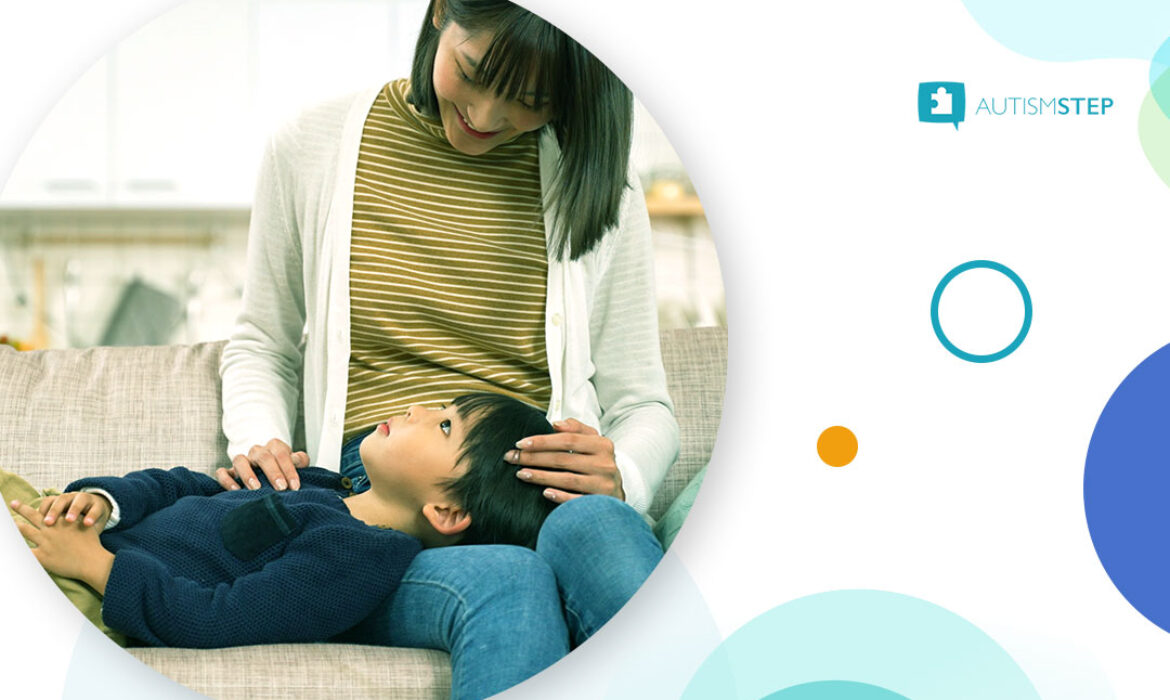
What to do During a Meltdown?
As a parent, staying calm and ensuring your child is safe is essential.
What to do:
☑️Remove dangerous items
☑️Decrease stimulation
☑️Be understanding of their emotions
☑️Give them time
☑️Make them feel safe and loved
AutismSTEP aims to help children learn coping strategies and build vital emotional self-management skills to minimise the chances of meltdowns. Please schedule a consultation with us today. Call +65 6456 9950 or tap here ➡️ https://www.autismstep.com/contact/
#AutismStep #autism #ASD #autismSG #autismsingapore #socialstories #ABA #therapy #autismawareness #autismsg #childwithautismsg #childrenwithautismsg #kidswithautismsg #autismtherapysg
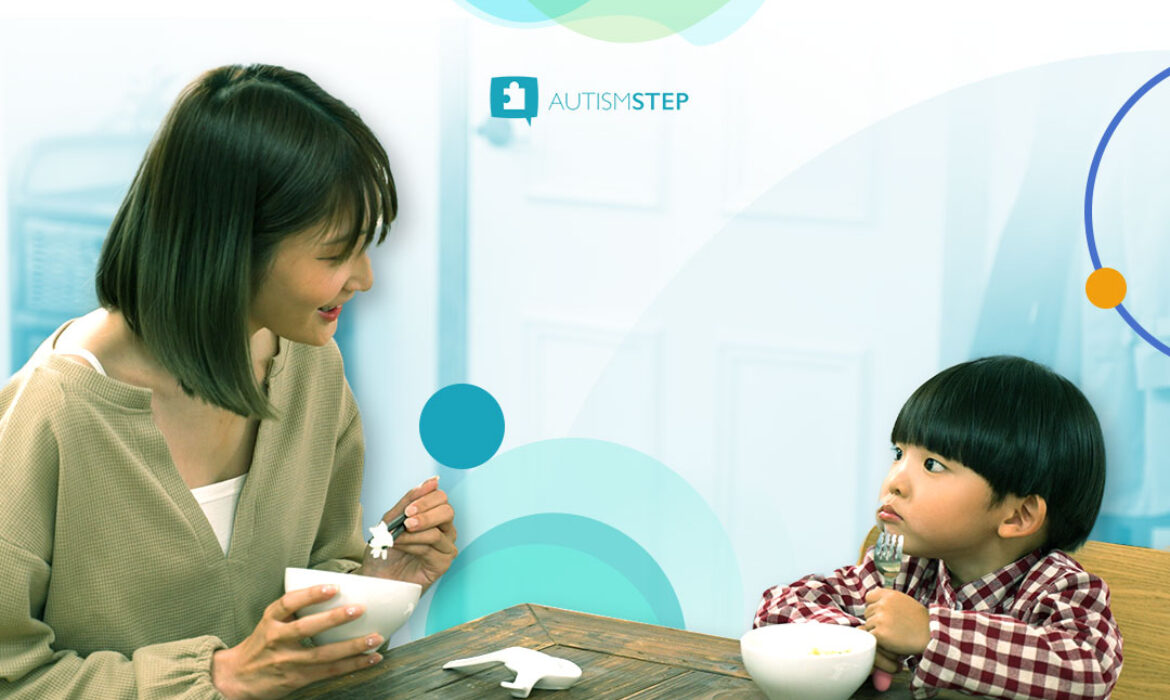
Is Your Child a Picky Eater?
Kids with autism can be highly picky when it comes to eating. Here’s what you can do about it ⬇️
It’s common for children on the spectrum to be picky eaters. In fact, an estimated 46 to 89 percent of them have feeding problems.
Various factors contribute to food aversion, including rigidity, sensory problems, problems swallowing, oral-motor delays, and behaviour at the table. To address mealtime issues, you can help your child by offering food choices, letting them play with food to familiarise themselves with textures, allowing child-led eating, and involving them in the food preparation process.
If you find yourself battling mealtimes with a picky eater, ABA therapy can help! Call us at +65 6456 9950 or tap here ➡️ https://www.autismstep.com/contact/
#AutismStep #autism #ASD #autismSG #autismsingapore #socialstories #ABA #therapy #autismawareness #autismsg #childwithautismsg #childrenwithautismsg #kidswithautismsg #autismtherapysg #pickyeater #foodselectivity #foodaversion

ABA Therapy – Address Your Child’s Stimming Behaviour
Did you know that it’s not only people in the spectrum but all of us have stimming or self-stimulatory behaviours? You might not notice, but we often do this to cope with stressful situations.
Most people use these “stims” from time to time and we can control them. However, stimming in autistic children can be problematic and difficult to control.
The common types of stims in children on the spectrum include rocking, pacing, repetitive blinking, flapping hands, snapping fingers, staring at rotating/spinning objects like fans and car wheels, rearranging things, skin rubbing or scratching, smelling or licking objects, and watching objects sideways.
ABA therapy can help address your child’s stimming behaviour. At AutismSTEP, we provide personalised treatment to help your child achieve self-control and improve life at home, school, and in social situations. Call us at +65 6456 9950 or tap here ➡️ https://www.autismstep.com/contact/
#AutismStep #autism #ASD #autismSG #autismsingapore #socialstories #ABA #therapy #autismawareness #autismsg #childwithautismsg #childrenwithautismsg #kidswithautismsg #autismtherapysg #stimming

The Goal of ABA Therapy
Every child on the spectrum is unique in their own way. While they face challenges, ABA therapy can assist them in becoming independent. 👌
ABA therapy teaches children the skills needed to create and maintain a community they can rely on. In addition, it improves language and communication skills, enhances attention, focus, memory and social skills, and addresses problem behaviours.
AutismSTEP offers ABA therapy tailored to embed various strategies to guide your child’s progress towards reaching their goals.
If you want to know more about ABA therapy and how it can help your child, ring us at +65 6456 9950 or tap here ➡️ https://www.autismstep.com/contact/
#AutismStep #autism #ASD #autismSG #autismsingapore #socialstories #ABA #therapy #autismawareness #autismsg #childwithautismsg #childrenwithautismsg #kidswithautismsg #autismtherapysg
 AutismSTEP