Savant Syndrome
Savant syndrome is an extraordinary condition often associated with developmental disorders like autism spectrum disorder (ASD). Individuals with savant syndrome exhibit exceptional abilities in specific domains such as memory, arithmetic, musical talent, or artistic skills. These abilities are significantly advanced compared to their general intelligence level.
The IQ of individuals with savant syndrome varies widely. Some may have below-average intelligence, while others possess average or above-average IQs. Notably, their remarkable skills don’t necessarily mirror their overall intelligence.
People sometimes ask, “What do people with savant syndrome see?” There is no definitive answer to that since people with savant syndrome experience the world uniquely, depending on their talents. For instance, a musical savant may have a heightened ability to recognise and replicate complex musical notes. In contrast, a memory savant might visualise intricate details with exceptional clarity.
Savant Syndrome Symptoms & Diagnosis
Savant syndrome isn’t formally categorised in diagnostic manuals like the DSM-5 (Diagnostic and Statistical Manual of Mental Disorders, Fifth Edition). It’s identified by extraordinary abilities in someone with a developmental disorder.
Key Symptoms or Characteristics of Savant Syndrome:
Exceptional Abilities
These can be in areas like music, art, mathematics, mechanical or spatial skills, calendar calculations, or memory. These abilities are remarkable when compared to the individual’s overall level of functioning.
Developmental Disorders
Many individuals with savant syndrome have underlying developmental disorders, such as autism spectrum disorder or other cognitive impairments.
Early Onset
Extraordinary skills often appear in childhood.
Narrow Range of Focus
The skills or talents are usually particular and focused on a specific area.
3 Recognised Types of Savants
Their perception and cognitive processing in their area of expertise are often atypical and can be extraordinarily detailed and accurate. However, this perception is highly individual and can’t be generalised across all savants.
Splinter Skills Savants
They exhibit specific talents, like an extraordinary memory for trivia.
Talented Savants
Notable talents in fields like art or music set against a developmental disability.
Prodigious Savants
They are rare individuals with exceptional skills, such as music composition or mathematics that are remarkable even in non-disabled persons.
Acquired Savant Syndrome
Acquired savant syndrome is extremely rare. There are only a handful of documented cases worldwide. It is a phenomenon where a person without a history of developmental disabilities develops extraordinary abilities after a traumatic event, such as a brain injury, stroke, or severe blow to the head.
Unlike congenital savant syndrome, which is present from birth or early childhood, acquired savant syndrome emerges after a specific incident or illness that affects the brain. These new abilities can be in areas like music, art, mathematics, mechanical, or spatial skills and are typically far above the individual’s previous capabilities.
Some theories suggest that these abilities emerge as compensation for lost functions due to brain damage, possibly due to the reorganisation or rerouting of brain networks. This fascinating condition suggests that savant-like abilities may lie dormant within all brains, only manifesting under certain unusual conditions.
Difference Between Savant Syndrome and Autism
While related, savant syndrome and autism are distinct. ASD is a developmental disorder impacting social and communicative abilities. Savant syndrome, on the other hand, involves exceptional abilities in specific domains, while still displaying some traits of ASD.
Autism Spectrum Disorder (ASD) is a developmental disorder characterised by challenges in social interaction, communication, and behaviour. It’s a spectrum condition affecting individuals differently and to varying degrees. People with autism might also exhibit unique strengths and differences in how they perceive and interact with the world.
Though often associated with autism, savant skills can also occur in other contexts, like after a neurological injury. The term “autistic savant syndrome” is not a formal medical or psychological diagnosis but is sometimes used to describe individuals who have both ASD and savant syndrome.
How ABA Therapy Helps Children With Savant Syndrome
Applied Behaviour Analysis (ABA) Therapy, effective for children with ASD, can also aid those with savant syndrome. It helps improve behaviours, communication, and adaptive learning skills.
ABA therapy uses structured learning to break down tasks, making them more manageable for children with unique talents and needs. Therapists might leverage a child’s savant skills to enhance engagement and learning, like using music in therapy for a child with musical talent.
This approach also helps children generalise skills across various settings, which is crucial for comprehensive development and independence. Moreover, ABA involves family training, providing strategies to support the child’s development at home. Its data-driven nature allows for personalised interventions tailored to each child’s progress and needs.
Next Steps
If you suspect your child may have savant syndrome, you should closely observe and document any extraordinary musical, artistic, mathematical, or memory abilities. Recording these skills and their development is crucial for future evaluations. Early consultation with healthcare professionals, such as paediatricians or psychologists, is also essential.
Parents should also seek support and information from parental support groups and educate themselves about savant syndrome and related conditions. They should encourage and nurture the child’s talents in a positive environment while ensuring balanced social, emotional, and practical development. Collaborating with educators and therapists provides a consistent approach to the child’s learning and development.
As parents, you’re instrumental in shaping your child’s future. Our aim at AutismSTEP is to equip you with the resources and guidance necessary to nurture your child’s growth. When we join forces and pool our knowledge, children with autism are not just supported—they thrive.
Please reach out for a consultation or contact us directly at +65 6456 9950 for insights into the most appropriate therapy for your child and to ensure you’re making the best decision for their future.
AUTISM & MENTAL HEALTH: How Parents Can Help Kids Cope With Stress
In Singapore, approximately 1 in 150 children have autism spectrum disorder (ASD), and while it brings unique strengths, it can also present challenges, particularly in dealing with stress and anxiety. As parents, we should be adept at identifying our child’s stressors and respond properly.
We need to remember that progress may come in small steps, so celebrate achievements, no matter how minor, and practise patience and empathy in moments of challenge. Every effort to support a child with autism in managing stress contributes to their overall well-being and development.
For most parents, investing in ABA therapy is essential in ensuring that their child receives the best support to lead a fulfilling and independent life. It addresses their unique challenges and equips them with skills that last a lifetime.
In this blog, we’ll explore how parents can play a vital role in helping their children with autism and mental health to cope with stress while fostering resilience and overall well-being.
Understanding Autism & Stress
Autism is a neurodevelopmental condition noted for social interaction, communication, and behaviour differences. These unique traits may make individuals more sensitive to everyday challenges. Recognizing what might cause stress in children with autism is the first step in providing them with the proper support.
Children with autism may have heightened sensory stimuli and may be quite sensitive to a number of things. Some of the most common stressors may be loud noises, bright lights, overpowering scents, crowded environments, or certain textures. They are also sensitive to changes in their routines and environments.
Moreover, social interactions can be complex and anxiety-inducing for children with autism. They become frustrated when having difficulties understanding social cues, maintaining eye contact, or engaging in reciprocal conversations. New faces can cause nervousness. They are also stressed when bullied or experiencing social exclusion because of difficulty forming and maintaining friendships.
Arguably the most worrisome for parents, difficulties in verbal and non-verbal communication can lead to frustration and stress. Children with autism may struggle to understand language distinctions, including word meanings and sentence structures. They might also find it challenging to interpret body language and vocal tones and may experience difficulty in managing and expressing their emotions.
Finally, struggles with academic expectations and specific school subjects or tasks setting are also definite stressors. For kids in the spectrum, there’s relatively more difficulty processing information quickly or accurately, which produces higher anxiety levels.
Different Ways Parents Can Help
1. Create calm and predictable environment
Perhaps the first and most important move would be to create a calm and predictable environment. Establishing a structured and consistent routine and schedule can help provide a sense of welcome predictability and security for children with autism.
2. Reduce sensory input
Parents can create a sensory-friendly environment, identify and lessen overwhelming sensory experiences. For instance, minimising harsh lighting, reducing loud noises, and selecting calming colours for wall decor can all contribute to a more comfortable space.
3. Avenues to regulate themselves
Providing children with tools to regulate their sensory experiences also helps — including stress balls and weighted blankets. These objects offer tactile input that can be soothing and help children with autism process sensory information in a controlled manner.
4. Identify possible triggers
As parents, you can pinpoint specific triggers by observing your children’s reactions and paying attention to distress cues. A crowded mall or a noisy event might be a source of sensory overload. Minimise exposure to these triggers or provide practical coping tools and strategies.
5. Use alternative communication methods
Simple communication aids such as picture cards and visual schedules of activities or tasks can be used by kids to convey their needs, preferences, expressions, or thoughts. Communication apps that incorporate visuals, symbols, or speech output are empowering, especially for children comfortable with technology. These digital tools can be customised to align with their unique communication preferences and requirements, enhancing their effectiveness and impact.
6. Create interest for your child
Encourage your children’s interests. Provide resources, books, magazines, videos, tools, equipment, or other materials related to the child’s interest. For example, if their interest is in astronomy, visit a planetarium or stargazing event. Take them to events, exhibitions, or workshops. It provides valuable opportunities for hands-on learning and interaction with experts in the field.
7. Set goals
Help your child set goals. It could involve creating a project, learning about a specific aspect in-depth, or even organising a small event or presentation. Most of all, show genuine interest —ask questions, listen to their insights, and engage in conversations about what they’re passionate about.
The Importance of ABA Therapy For Children With Autism
Applied behaviour analysis (ABA) therapy is a leading evidence-based intervention for children with Autism Spectrum Disorder (ASD). Professional ABA therapy focuses on improving specific behaviours, such as social skills, communication, reading, and adaptive learning skills, such as fine motor dexterity, hygiene, grooming, and more.
ABA therapy is an evidence-based approach. It is backed by decades of research and is recognised as an effective intervention for ASD. It offers a systematic approach to understanding and changing behaviour, ensuring children receive consistent and structured support.
ABA therapy is an individualised approach. Each child with autism is unique, and ABA therapy can be tailored to meet the specific needs of every child. By evaluating a child’s strengths and challenges, therapists create a personalised plan that targets key areas for improvement.
ABA therapy promotes independence. ABA techniques empower children to learn essential life skills, fostering greater independence. Whether tying shoelaces, brushing teeth or preparing a simple meal, ABA therapy can pave the way for self-sufficiency.
ABA therapy improves social skills. One of the core challenges for children with autism is social interaction. ABA therapy provides tools and strategies to enhance social skills, enabling children to build meaningful relationships with peers and family. ABA interventions can also be applied in an academic context, helping children with autism to focus, complete tasks, and engage in classroom activities.
ABA therapy is about continuous monitoring and adaptation. Therapists can adapt and modify the approach if a child isn’t benefiting from a particular strategy, ensuring that the child always receives the most effective intervention. ABA therapy is not limited to therapist sessions. Parents and caregivers are trained to implement ABA techniques at home, ensuring the child receives consistent support across different environments.
We Help Children With Autism Thrive
Navigating stress and mental health challenges in children with autism requires dedication, understanding, and a tailored approach. With the proper support, parents can become powerful advocates for their children’s mental health, setting them toward adaptability, confidence, and happiness.
You play an essential role in shaping your child’s future. At AutismSTEP, we dedicate ourselves to providing you with the tools and expert guidance necessary to nurture your child’s development. Together, we equip children with autism to receive support and truly thrive.
For insights into the most appropriate therapy for your child and to ensure you’re making the best decision for their future, please reach out for a consultation or contact us directly at +65 6456 9950.
September 29, 2023by AutismSTEPArticles and JournalsAutism and Treatment SnippetsResources8 comments
Understanding the 3 Functional Levels of Autism
Children in the autism spectrum demonstrate different patterns of strengths and weaknesses. By understanding their functional level, parents and caregivers can make informed decisions in developing an effective and sustainable support system. The level that a person is assigned reflects how much outside assistance they are likely to need in their daily life.
For instance, Level 1 screening tools have been developed to identify children at risk for ASD. These tools show statistically significant results in adequately detecting autism in the 14-26 months range. Meanwhile, support for level 3 autism includes the same therapies as level 2, but with more intensive and individualised support.
Moreover, children with ASD often struggle to learn functional skills, which are crucial in improving their quality of life. Therefore, by determining their functional level, specialists can prescribe appropriate measures based on the individual’s unique needs. These measures include ABA therapy, which can help people with autism learn new skills, improve communication, and manage challenging behaviours.
When should children be screened for autism?
The three functional levels of autism are defined in the Diagnostic and Statistical Manual of Mental Disorders, 5th Edition (DSM-5) as follows:
Level 1: Requiring Support

Individuals with this level of autism have mild symptoms and require some support in social communication and restricted, repetitive behaviours. They may have difficulty initiating conversations, responding as expected, and maintaining interest in a conversation.
Level 1 Signs & Symptoms
- Difficulty initiating conversations with others
- Responding as others would expect
- Maintaining interest in the conversation
- Understanding or using nonverbal communication, including facial expression
Level 2: Requiring Substantial Support

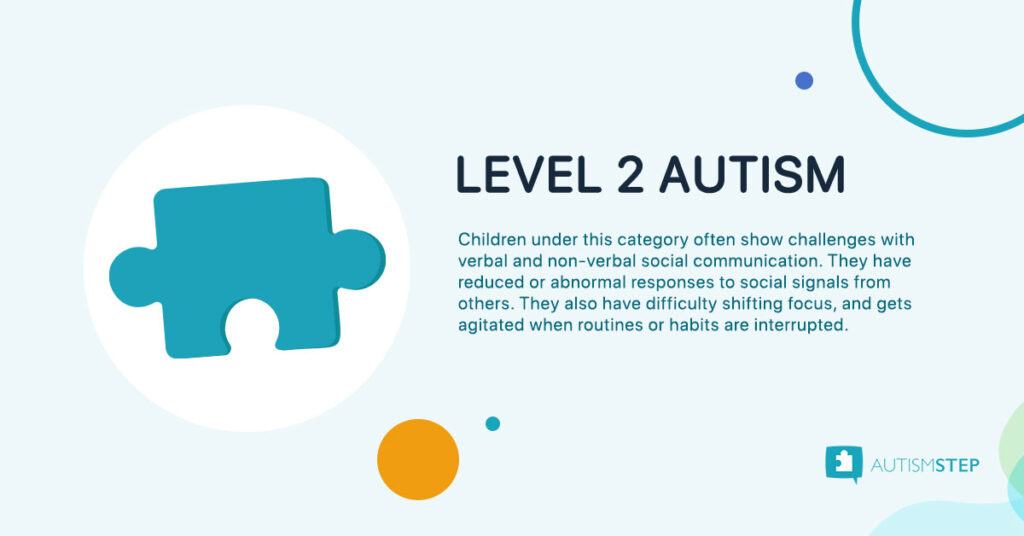
People with this level of autism have moderate symptoms and require substantial support in social communication and restricted, repetitive behaviours. They may have limited speech and difficulty with social interaction.
Level 2 Signs & Symptoms
- Challenges in verbal and nonverbal communication
- Reduced or abnormal responses to social cues
- Using fewer words or noticeably different speech
- Missing nonverbal communication cues like facial expressions
- Exhibiting atypical social behaviour, like not responding or walking away during a conversation
- Difficulty switching between tasks, staying organised, and planning
Level 3: Requiring Very Substantial Support

If your child has this level of autism, they are likely to have severe symptoms and require very substantial support in social communication and restricted, repetitive behaviours. They may be nonverbal or have limited speech, have extreme difficulty with inflexible behaviour, and exhibit marked inflexibility of behaviour.
Level 3 Signs & Symptoms
- Nonverbal or limited speech
- Extreme difficulty with inflexible behaviour
- Marked inflexibility of behaviour
- Severe aggression or self-injurious behaviour
- Over or under-sensitivity to particular stimulations from sense, smell, and touch
- Behavioural characteristics such as rocking, echolalia, spinning things, or other behaviours and often struggle with unexpected events.
What is ABA therapy?
Applied Behavior Analysis (ABA) therapy is a scientifically validated approach to understanding behaviour and how it is affected by the environment. Regarded as a medically necessary treatment for people with autism, ABA therapy aims to reinforce desired behaviours in individuals with autism and related developmental disorders.
The therapy is designed to help individuals learn new skills and reduce problematic behaviours. ABA therapy programs involve therapists, or registered behaviour technicians (RBTs), who are trained and supervised by a Board Certified Behavior Analyst (BCBA).
These therapists work directly with children and adults with autism to practise skills and work toward individual goals prescribed by the BCBA. ABA therapy can help increase language and communication skills, improve attention, focus, social skills, memory, and academics, and address challenging behaviours in people with ASD.
How long does ABA therapy usually last?
The duration of ABA therapy can vary depending on the individual’s needs and progress, as well as the type of program they are enrolled in. The therapy plan is determined through an evaluation, and the hours can be naturally reduced or increased as needed.
Focused ABA Treatment, for instance, typically consists of 10-25 hours of one-on-one direct therapy and/or group therapy (for social goals) per week. Meanwhile, Comprehensive ABA Treatment is usually 26-40 hours of one-on-one direct therapy each week.
The average child in the spectrum will receive anywhere between 10-30 per week or longer for intense programs. However, clinical studies suggest that providing ABA therapy for an average of 30-40 hours per week over an extended time can potentially lead to visible improvements.
With ABA therapy, parents should expect their child to receive between 40 and 120 hours in any given month, for roughly 2-3 years of intensive therapy followed by 2-3 more years of a focused approach.
How is progress measured in ABA therapy?
Formal progress assessments are conducted every three to six months throughout the child’s ABA therapy program. During the initial stages of ABA therapy, an evaluation will be performed by a Board Certified Behavior Analyst.
The BCBA will supervise the child’s treatment, which gives them ample opportunity to observe the child’s progress directly. Additionally, the registered behaviour technician will work with the child directly over the weeks and months, implementing each step of the treatment plan.
In turn, the BCBA will write updated reports and evaluations at least every three to six months while maintaining a consistent progress discussion with the parents or caregivers.
Where can you find support for ASD in Singapore
Here at AutismSTEP, we offer custom, research-based therapy to help children with autism unlock their true potential. We deliver a holistic and personalised therapy program spearheaded by our internationally licensed therapists who are well equipped to bring about lifelong improvements to add value to your families’ lives.
To assist you in determining the best therapy for your child, we invite you to book a consultation with us or reach out at +65 6456 9950.
5 FAQs About Autism Diagnosis and Screening
Autism spectrum disorder (ASD) is a neurodevelopmental condition characterised by persistent challenges with social communication and interaction, as well as restricted and repetitive patterns of behaviour, interests, or activities. It is a spectrum disorder, which means individuals with autism can have a wide range of symptoms and abilities.
Applied Behavior Analysis (ABA) therapy is a widely acknowledged and effective intervention for individuals with ASD, designed to enhance beneficial behaviours and reduce detrimental ones in order to facilitate improved social interactions, communication skills, and overall well-being.
In Singapore, about 1 in 150 children are on the autism spectrum. As parents, we are naturally inclined to understand the unique needs of our children. Moreover, it is totally understandable that we sometimes worry over their quirks, repetitive behaviours, and developmental milestones.
When it comes to autism diagnosis and screening, there are several frequently asked questions (FAQs) that are particularly important to consider. In this blog, we will answer the five most important FAQs and provide valuable insights and information for parents seeking guidance.
What are the common signs of ASD?
Some individuals with ASD may have mild difficulties, while others may require significant support in their daily lives. Autism is a lifelong condition, and early intervention and support services can play a crucial role in helping individuals with ASD reach their full potential.
Among the common symptoms or manifestations of ASD are:
- Difficulty with social communication, such as eye contact and understanding social cues
- Challenges in developing and maintaining relationships with others
- Repetitive behaviours, like hand-flapping or rocking
- Strong focus or intense interest in specific topics
- Sensory sensitivities to lights, sounds, textures, or tastes
- Delayed speech and language development or difficulty with communication
- Resistance to changes in routines or rituals
- Lack of pretend play or imaginative skills
- Difficulty understanding and expressing emotions
- Unusual posture or motor movements
When should children be screened for autism?
Autism can be diagnosed as early as 18 months, but many children are diagnosed around 5 to 7 years of age. However, some children may not be diagnosed until later in childhood or adolescence if their symptoms are less apparent. During this time, parents must observe their kids’ behaviours. Timely diagnosis and intervention are crucial in enabling individuals with autism to achieve their maximum potential.
In Singapore, children can be screened for ASD from as young as 18 months and a diagnostic assessment can be done from 31 months onwards, according to the National University Health System. The BabySibs program provides repeated screening at 12, 18, and 30 months of age for younger siblings of patients with ASD. Meanwhile, the American Academy of Pediatrics recommends that all children be screened for autism at their 18 and 24-month well-child checkup.
How is ASD diagnosed?
Developmental paediatricians, child psychiatrists, clinical psychologists and educational psychologists are part of a multidisciplinary team that conducts diagnostic evaluations for ASD. The diagnosis process typically involves gathering information from multiple sources, including parents, teachers, caregivers, and the child’s behaviour and responses. Collaboration between these professionals ensures a comprehensive evaluation, leading to a more accurate diagnosis and appropriate intervention and support services recommendations.
The Autism Diagnostic Observation Schedule (ADOS) is a standardised diagnostic test used to assess ASD. It is acknowledged by SingHealth as “the current gold standard for a behavioural observational assessment of individuals suspected of having ASD.” The ADOS-2 is the updated version of the ADOS, which includes updated norms and a new Toddler Module (T) that facilitates assessment in children ages 12 to 30 months.
The current edition of the Diagnostic and Statistical Manual of Mental Disorders (DSM-5) governs the criteria for making an autism spectrum diagnosis, which psychologists or psychiatrists can do. It includes criteria for diagnosing ASD and provides a comprehensive framework for identifying and diagnosing individuals with autism based on specific behavioural patterns, social communication and interaction impairments, and restricted and repetitive behaviours. The DSM-5 is the standard classification of mental disorders used by mental health professionals.
While the ADOS is considered the gold standard for a clinical diagnosis of ASD, there is a shortage of people trained to administer it, and it adds cost to the diagnostic process. However, a recent study reported that there was 90% agreement between clinician diagnostic certainty and the role of the ADOS in ASD diagnosis in young children.
What happens during an autism assessment?
During an autism assessment, a team of professionals conducts a thorough evaluation to gather information about the child’s behaviour, communication, social skills, and developmental history. The typical flow of tests and activities are as follows:
- Initial interview. The assessment often begins with a consultation with the child or their parents/caregivers. This helps the professionals understand the concerns, developmental history, and observable behaviours.
- Direct observation. Professionals observe the child in various settings, such as school, home, or clinical settings. They look for specific behaviours and social interactions that may indicate autism.
- Standardised tests and questionnaires. The team may use standardised tests and questionnaires to gather additional information about the child’s communication, social, and behavioural skills. These tests provide a structured way to assess and compare their abilities to typical developmental milestones.
- Developmental and medical history. The team gathers information about the child’s developmental milestones and medical history. This includes prenatal and perinatal factors, early childhood development, and relevant medical conditions.
- Communication assessment. The psychologist assesses the child’s communication skills, including language comprehension, expressive language, and non-verbal communication.
- Social interaction assessment. The professionals evaluate the individual’s ability to interact and engage with others and their understanding of social cues and reciprocity.
- Behavioural assessment. Specialists may conduct evaluations to observe and analyse the individual’s repetitive behaviours, interests, and sensory sensitivities.
- Parent or caregiver input. Parents or caregivers are a valuable source of information and are usually interviewed or asked to fill out questionnaires about the individual’s behaviours and development.
- School or educational assessment. If applicable, the assessment team may collaborate with teachers and educators to gather information about the individual’s academic and social performance in a school setting.
- Multidisciplinary review. Once all the information is collected, the team meets to review the findings collectively. This approach ensures a comprehensive evaluation and a more accurate diagnosis.
After receiving an autism diagnosis, what is next?
Seeking professional help is the critical next step after receiving an autism diagnosis. It is crucial to find medical professionals and healthcare providers who are experienced in working with individuals with ASD, and have a strong track record of positive outcomes. Seeking out ABA therapy services can help as ABA therapy is a scientifically proven treatment that has a high success rate in improving functionality and behaviour in individuals with ASD.
ABA therapy typically involves one-on-one sessions between the individual and a trained therapist. During these sessions, the therapist uses evidence-based strategies to teach and reinforce desired behaviours while reducing challenging behaviours. An aspect of ABA therapy is involving parents and caregivers in the process. The ABA provider will offer training and support to help parents implement strategies at home and in everyday situations.
At its core, ABA therapy is rooted in the principles of behaviour analysis, a scientific discipline focused on understanding how behaviours are learned and can be modified. ABA therapy applies these principles in a structured and systematic way to teach new skills, improve existing behaviours, and reduce challenging behaviours. It’s not a one-size-fits-all approach; rather, it’s suited to the needs of each child, acknowledging their strengths and challenges.
The benefits of ABA therapy are as follows:
- Providing an individualised approach. ABA therapy is tailored to the unique needs and strengths of each child, ensuring that interventions are specifically designed to support their individual growth.
- Developing skills. ABA therapy focuses on building a wide range of skills, including communication, social interaction, academic abilities, self-care, and more.
- Improving behaviour. It effectively reduces challenging behaviours by teaching alternative, more adaptive behaviours, which in turn improves a child’s quality of life and their interactions with others.
- Giving positive reinforcement. ABA therapy employs positive reinforcement techniques to encourage desired behaviours, helping children stay motivated and engaged in their learning process.
- Tracking progress.: ABA therapy relies on data collection and analysis, enabling therapists and parents to track progress, make data-driven decisions, and adjust interventions as needed.
- Involving the parents. Parents are active participants in ABA therapy, receiving training and guidance on how to implement strategies at home, leading to consistent progress and growth.
- Building confidence. As children achieve milestones and experience success through ABA therapy, their self-confidence and self-esteem naturally increase.
- Allowing social interaction. ABA therapy helps children improve their social skills, fostering meaningful interactions and connections with peers and family members.
- Promoting independence. By breaking down skills into manageable steps, ABA therapy promotes the development of independent living skills, empowering children to become more self-sufficient.
- Enhancing communication. For children with communication challenges, ABA therapy can lead to significant improvements in verbal and nonverbal communication skills.
- Providing long-term benefits. The skills and strategies learned in ABA therapy can have a lasting impact on a child’s life, setting them up for success in school, relationships, and future endeavours.
- Giving empowerment. ABA therapy empowers children by giving them the tools they need to overcome obstacles and achieve their goals, fostering a sense of accomplishment.
Navigating ASD and Thriving!
Receiving an autism diagnosis may initially seem daunting, but it’s essential to remember that every child in the spectrum has the potential to flourish with timely intervention and the right support structures. You’re not alone on this journey; a vibrant community of parents, caregivers, professionals, and advocates is ready to stand by you.
As parents, you’re instrumental in shaping your child’s future. Our aim at AutismSTEP is to equip you with the resources and guidance necessary to nurture their growth. When we join forces and pool our knowledge, children with autism aren’t just supported—they thrive.
For insights into the most appropriate therapy for your child and to ensure you’re making the best decision for their future, please reach out for a consultation or contact us directly at +65 6456 9950.
3 Different Types of Autism
Autism Spectrum Disorder (ASD) is a complex neurodevelopmental condition affecting about 1 percent of the population in Singapore. Additionally, a recent report in 2021 shows that at least 400 new cases of ASD are diagnosed each year and the risk of a sibling having ASD increased by 20 percent.
Autism affects individuals in unique and diverse ways. While each person with autism is distinct, researchers have identified various types of autism that provide a framework for understanding and appreciating the spectrum.
In this blog, we will delve into the types of autism — from nonverbal autism, which uses unconventional methods of communication, through high-functioning autism, characterised by extraordinary skills and unique viewpoints — shedding light on their characteristics, challenges, and strengths. By gaining a deeper understanding of each type, we hope to promote acceptance, compassion, and inclusion for individuals on the autism spectrum.
What are the levels of autism?
ASD covers a wide range of symptoms that can vary in severity. To reflect this, the Diagnostic and Statistical Manual of Mental Disorders, 5th Edition (DSM-5) defines three levels of ASD based on the amount of support the individual requires.
Level 1 "Requiring Support"
Individuals at this level can often conduct their lives independently but still face challenges with social interactions and communication. For example, they may have difficulty initiating conversations or responding appropriately to others. They may also have inflexible behaviours that create obstacles in their daily life, and they may find it challenging to switch between activities. They might not need as much support as people at Levels 2 or 3. However, they still benefit from support in certain areas, like social communication.
Level 2 "Requiring Substantial Support"
People at this level have more noticeable difficulties with verbal and nonverbal communication, which can limit their ability to function independently. They may only speak in simple sentences or repeat specific phrases. They also have noticeable difficulty with change and may engage in repetitive behaviours that are hard to redirect. Social interactions are significantly affected, and they may struggle to change focus or behaviour in different contexts. They usually need consistent support, including school or work, in their daily lives.
Level 3 "Requiring Very Substantial Support"
Individuals at this level have severe verbal and nonverbal communication deficits. They may not speak at all or may have very limited language skills. Their behaviours are highly inflexible and repetitive. Understanding and responding to social cues is hugely challenging for them, and they may become highly distressed by changes in their environment or routine. They require significant support in every aspect of their daily life to ensure their safety and care.
It’s important to remember that the required support level can change over time, depending on factors like the individual’s age, therapy, or personal development. These levels do not indicate a person’s intelligence or potential but provide a framework to understand the type and intensity of support needed.

What are the main types of autism?
Before 2013, several conditions including Autistic Disorder and Childhood Disintegrative Disorder were diagnosed separately. The different diagnoses are further classified as severe, mild, high-functioning, or low functioning. However, such terms are no longer used as they tend to overgeneralise a child’s situation. These former different conditions are now known collectively as autism spectrum disorder The main types of autism, as recognised in the diagnostic criteria of Autism Spectrum Disorder (ASD), are as follows:
Autistic Disorder
This is what most people commonly refer to as autism. Individuals with Autistic Disorder typically display significant challenges in social interaction and communication, along with repetitive behaviours and restricted interests. They may have difficulties with verbal and nonverbal communication, struggle with changes in routines, and exhibit intense focus on specific topics or objects.
Social interaction
Individuals with Autistic Disorder often experience difficulties in social interactions and forming meaningful relationships. They may struggle with understanding and responding to social cues, such as maintaining eye contact, interpreting facial expressions, or understanding gestures. Engaging in reciprocal conversations and understanding the perspective of others can be challenging. Some individuals may prefer solitary activities and struggle to initiate or sustain social interactions.
Communication
Language and communication difficulties are common in individuals with Autistic Disorder. Some individuals may have delayed language development or struggle with verbal communication altogether. They may have difficulty expressing their needs, emotions, or thoughts, and their speech may have atypical patterns, such as echolalia (repeating words or phrases) or unusual intonation. Nonverbal communication, including understanding and using gestures, facial expressions, and body language, can also be challenging.
Repetitive and restrictive behaviours
Individuals with Autistic Disorder often exhibit repetitive and restrictive behaviours or interests. These can manifest as repetitive movements like hand flapping or rocking, insistence on sameness such as rigid adherence to routines and resistance to change, and intense preoccupation with specific topics, objects, or activities. Sensory sensitivities, such as being hypersensitive or hyposensitive to certain stimuli like noise and light are also common.
Childhood Disintegrative Disorder (CDD)
Childhood Disintegrative Disorder (CDD), also known as Heller’s syndrome, is a rare developmental disorder that is characterised by the loss of previously acquired skills in multiple areas of development, including social interaction, communication, repetitive behaviour, and delays.
Social Interaction
Children with CDD experience a significant regression in social skills. They may withdraw from social interactions, exhibit decreased eye contact, and show a lack of interest in engaging with others. The loss of social abilities can be profound, leading to difficulties in forming and maintaining relationships with peers and caregivers.
Communication
CDD involves the loss of language and communication skills. Children who previously had acquired language may experience a regression in their ability to speak and understand verbal communication. They may lose vocabulary, struggle with grammar and syntax, and have difficulty expressing their needs and desires. Communication may become limited to nonverbal means, such as gestures or pointing.
Repetitive behaviours
Like other pervasive developmental disorders, repetitive behaviours can be present in CDD. Children may engage in repetitive movements, such as hand flapping, body rocking, or spinning. They may develop rigid routines and rituals and display a strong preference for sameness. These repetitive behaviours serve as a way for individuals with CDD to cope with their environment or seek sensory stimulation.
Developmental delays
Before the onset of CDD, children typically exhibit delays in certain areas of development. These delays may involve language, motor skills, or social interaction. However, they are generally not as severe as the subsequent regression observed in CDD. The developmental delays may be noticed by parents or caregivers, but the significant loss of skills distinguishes CDD from other developmental disorders.
Global Developmental Delay (GDD)
Global developmental delay (GDD) and autism are not the same thing. While they share some similarities, they are distinct conditions with different diagnostic criteria. GDD is a condition where a child does not meet developmental milestones at the expected rate, while autism is a neurodevelopmental disorder that affects social communication and behaviour. To be diagnosed under GDD, the child must also be significantly limited in at least two developmental domains.
A child can have both GDD and autism, and studies have shown a high prevalence of comorbid autism in children with GDD. However, having GDD does not necessarily mean a child has autism, and vice versa.
Global Developmental Delay is a condition where individuals diagnosed with GDD experience significant delays in multiple areas of growth and development. These delays are not specific to any single developmental area, and the symptoms can vary widely among individuals.
Social Interaction
Children may struggle with eye contact, understanding social cues, or making friends. They find it hard to make connections and form relationships, which escalates over time if unchecked.
Communication
Language development might be slow, with challenges in speaking coherently, understanding directions, and expressing needs or emotions.
Motor Skills
Delays in gross (large) and fine (small) motor skills may occur, impacting daily activities like walking, drawing, or dressing.
Cognitive Functioning
Children with GDD might face difficulties in problem-solving, memory, attention, and learning at school. Specialised support may be needed.
Emotional Development
Recognizing and managing emotions can be difficult, leading to challenges in forming emotional bonds and handling feelings like frustration or anxiety.
How ABA therapy can help children with autism
ABA therapy, or Applied Behaviour Analysis therapy, is a scientifically based approach to helping children with autism learn new skills and behaviours. Here are some ways in which ABA therapy can help children with autism:
Building life and social skills
ABA therapy can help children with autism learn social skills, such as how to initiate and maintain conversations, make eye contact, and understand social cues. It can also help them develop life skills, such as self-care, hygiene, and organisation.
Adapting challenging behaviours
ABA therapy can help children with autism learn to manage challenging behaviours, such as tantrums, aggression, and self-injury. It does this by identifying the triggers for these behaviours and teaching the child alternative, more appropriate behaviours.
Measuring changes and improvements
ABA therapy uses a systematic approach to measure changes and improvements in the child’s behaviour. This helps therapists and parents track progress and adjust the therapy as needed.
Assessing and recording progress
ABA therapy assesses and records the child’s status or progress. This helps therapists and parents identify areas where the child needs more support and where they are making progress.
Teaching language skills
ABA therapy plays a significant role in helping children with autism to start talking, which is a major concern of many parents. It can aid them in developing language skills, such as vocabulary, grammar, and sentence structure. It does this by breaking down language into smaller, more manageable parts and systematically teaching them.
Teaching play and leisure skills
ABA therapy can help children with autism learn how to play and engage in leisure activities. This can help them develop social skills and build relationships with peers.
Teaching safety skills
ABA therapy can help children with autism learn safety skills, such as crossing the street safely, identifying dangerous situations, and responding appropriately to emergencies.
Remember that every child is unique and progresses at their own pace. Some children might make progress quickly, while others may need more time. It’s essential to approach this with patience and continuous positive reinforcement. ABA therapy can be a valuable tool in helping a nonverbal child with autism to start talking, but it should always be implemented under the guidance of a trained professional.
The takeaway
The types of autism — Autistic Disorder and Childhood Disintegrative Disorder (CDD) — represent distinct profiles within the autism spectrum. While the specific terminology and classifications have evolved, understanding the characteristics of these types can still provide valuable insights into the diverse experiences of individuals on the spectrum.
Understanding these types of autism helps foster acceptance, compassion, and inclusion for individuals on the spectrum. By appreciating the diversity within the autism community and providing appropriate support and accommodations, we can create an inclusive society that values the contributions and potential of every individual, regardless of their place on the spectrum.
At AutismSTEP, we tailor a customised treatment plan that meets your child’s needs and goals. By working together and supporting one another, we can help children with autism thrive and reach their full potential.
To help you make an informed decision on the type of therapy your child needs, please schedule a consultation with us today, or call +65 6456 9950.
10 Notable Differences in Girls & Boys with ASD
There has been a rise in the number of individuals being diagnosed with autism in Singapore, according to a 2021 study. Additionally, according to the National University of Singapore – Institute of Policy Studies one in 150 children in Singapore are in the spectrum. With the exponential rise in genetic research on ASD in recent decades, the evidence is clear that with our current lifestyle and environment, the likelihood of developing ASD is increasing.
Autism spectrum disorder (ASD) is a neurodevelopmental disorder that presents with a range of symptoms. While it can affect anyone, regardless of gender, research and clinical studies show key differences in the way autism manifests in boys and girls. Additionally, applied behaviour analysis (ABA) therapy, the leading evidence-based approach used for managing autism, also highlights these disparities.
This blog article outlines 10 prominent differences in autism between boys and girls as observed in ABA therapy. Our aim is to shed light on the key distinctions between boys and girls on the autism spectrum, furthering our understanding of this complex condition and its nuanced expression across genders — with the end goal of providing opportunities and solutions.
Distinctions Between Boys & Girls
ASD is a wide-ranging and complex condition that affects individuals differently based on a variety of factors, including gender. Each person’s journey with autism is unique, and the way autism manifests in boys can greatly differ from how it presents in girls.
PREVALENCE
Research has consistently shown that boys are diagnosed with ASD more frequently than girls. According to the CDC’s latest data, the ratio of boys to girls with autism is approximately 4:1. This higher prevalence in boys is still not entirely understood, although genetic, biological, and environmental factors are speculated to play a role.
AGE OF DIAGNOSIS
Boys tend to be diagnosed with autism at a younger age than girls. This may be attributed to the more noticeable symptoms in boys, leading to earlier detection. Consequently, girls with autism might not receive intervention as early as boys.
PRESENTATION OF SYMPTOMS
As published in Front Psychology journal in 2022, boys with autism often display more externalizing behaviours such as aggression or hyperactivity. In contrast, girls may present with subtler signs, such as difficulties in social interaction and communication. They may also camouflage their symptoms better, which might lead to delays or inaccuracies in diagnosis.
SPECIAL INTERESTS
Boys and girls with autism tend to have different areas of special interest. Boys often focus on topics like transportation or technology, while girls might have an intense fascination with animals, fiction, or relationships. In ABA therapy, these special interests can be used as a way to engage the child and build communication and social skills.
SOCIAL COMMUNICATION
Girls with ASD often exhibit more advanced social communication skills compared to boys with ASD. They may mimic social interactions, enabling them to blend in more seamlessly.
COMORBIDITIES
Boys with ASD are more likely to experience co-occurring conditions such as ADHD or conduct disorders. On the other hand, girls with ASD are often diagnosed with internalising disorders such as anxiety or depression.
COGNITIVE FUNCTIONING
A 2017 study published in the Journal of Autism and Developmental Disorders, girls with ASD generally have better overall cognitive functioning compared to boys, especially in verbal and executive function domains.
SENSORY SENSITIVITIES
While both boys and girls with autism exhibit sensory sensitivities, the type and degree of these sensitivities may vary. For example, a study in the Journal of Autism and Developmental Disorders found that girls with autism might be more sensitive to touch and sound, while boys might be more affected by visual stimuli.
RESPONSE TO THERAPY
Research suggests that boys and girls may respond differently to ABA therapy. For instance, girls often show significant improvement in adaptive skills, while boys may show more improvements in reducing challenging behaviours.
RISK OF MISDIAGNOSIS OR UNDERDIAGNOSIS
Due to the subtler manifestation of symptoms in girls, there is a higher risk of misdiagnosis or underdiagnosis compared to boys. This can lead to delayed initiation of ABA therapy, affecting the overall outcome of the intervention.
How ABA Therapy Provides Solutions
Applied Behavior Analysis (ABA) is a versatile therapeutic approach designed to enhance socially meaningful behaviours in individuals with autism. Given the gender-based differences and challenges in autism, ABA therapy offers a unique advantage — it can be tailored to cater to these distinct needs.
Regardless of the timing of a diagnosis, ABA therapy is beneficial. However, earlier intervention often yields more substantial progress. This is particularly helpful for girls who may receive a later diagnosis due to their symptoms being less overt. With this in mind, ABA therapy can be customised to address gender-specific needs, ensuring that each child receives the most effective support.
Furthermore, ABA therapy’s adaptability comes into play when addressing the internalised or externalised symptoms that a child may display. Boys with autism, who often demonstrate externalised behaviours, may benefit from therapy strategies centred around reducing aggression and increasing focus. On the other hand, girls, whose symptoms tend to be more internalised, may find therapies aimed at developing communication and social interaction skills more beneficial.
ABA therapy also utilises the power of a child’s special interests, using them as motivational tools in the therapeutic process, which can significantly enhance engagement and effectiveness. Especially for girls, who may be adept at camouflaging their difficulties, ABA therapy can help unearth and address any underlying social challenges.
In planning therapy, ABA therapists consider the common comorbidities associated with ASD in both boys and girls. They may incorporate strategies to manage conditions such as anxiety or depression in girls and attention difficulties in boys. This holistic approach ensures that all aspects of the child’s wellbeing are addressed.
Measurement and adjustment of therapy effectiveness is another strong suit of ABA. The approach allows for continual monitoring and assessment of a child’s progress. This data-driven methodology enables therapists to understand the efficacy of the therapy and make necessary alterations in treatment plans for both boys and girls.
Understanding gender differences in autism as observed in ABA therapy is crucial in tailoring effective interventions. It leads to a more precise diagnosis and effective treatment plans, thereby improving the quality of life for both boys and girls on the autism spectrum.
The Takeaway
The distinct ways autism shows up in boys and girls, especially seen in ABA therapy, highlight the need for therapy plans that are personalised. Understanding these differences can lead to better diagnoses and treatments, and improve life for all children with autism, boy or girl.
As we learn more about autism, it’s more and more important to pay attention to these gender-specific differences in our studies and practice. This way, we can make sure every child with autism gets the right, individualised care and support they deserve.
At AutismSTEP, we are committed to this individualised approach. We design bespoke treatment plans that cater to your child’s specific needs and aspirations. We believe that by collaborating and supporting each other, we can help children with autism to flourish and unlock their full potential.
We are here to assist you in making the best-informed decisions regarding your child’s therapy. We invite you to schedule a consultation with us today, or give us a call at +65 6456 9950. Together, we can navigate the path to your child’s growth and development.
The Ultimate Guide to Stimming and Autism: What You Need to Know
As a parent of a child receiving applied behaviour analysis (ABA) therapy for autism, you might have observed your child exhibiting behaviours that are repetitive or may seem uncommon. These behaviours, referred to as “stimming,” serve a significant role in the way your child engages with their environment.
“Stimming,” an abbreviation for “self-stimulating behaviours,” is a coping strategy often seen in children with autism. These behaviours are believed to generate an enjoyable sensation and if stopped abruptly, can provoke negative reactions.
Many parents and guardians of children with autism often ask how they can stop stimming altogether. But what’s even more important is to learn effective methods to gradually and safely guide the child away from stimming, especially when it becomes disruptive or detrimental. Thankfully, ABA therapy provides strategies to manage stimming if it starts to cause complications in social or operational scenarios.
Understanding these behaviours might seem challenging if they differ from your initial expectations. But only by truly understanding stimming can we better assist our children in their journey. Read on to find out what you need to know about stimming.
What are examples of stimming?
Stimming behaviours can take many different forms, and they may vary from child to child. However, some common examples of stimming include:
Hand flapping or finger tapping. This involves rapid, repetitive movements of the hands or fingers. For example, your child may flap their hands up and down or tap their fingers together repeatedly.
Rocking back and forth. Your child may rock their body back and forth, sometimes while sitting or standing. This can be a way to self-soothe or calm themselves down.
Spinning. Your child may spin around in circles, sometimes for extended periods. This can be a way to feel the sensation of movement or to relieve stress or anxiety. They may also like to look at spinning wheels and objects.
Repeating words or phrases. Your child may repeat the exact words or phrases over and over again. This can be a way to self-stimulate, or to communicate their needs or desires.
Flapping objects. Your child may flap or wave objects in front of their face, such as a string or a toy. This can be a way to create visual stimulation or explore different objects’ sensory qualities.
Stimming behaviours can change over time, and your child may develop new ways of self-stimulating as they grow and develop.
What are examples of stimming?
Stimming is a behaviour that’s commonly associated with autism, but it’s not exclusive to this condition. There are a variety of conditions that can cause stimming, including anxiety, ADHD, and sensory processing disorder.
Autism
Autism is a neurodevelopmental disorder that affects how a person perceives and interacts with the world around them. One of the hallmarks of autism is the presence of repetitive behaviours, often referred to as stimming.
ADHD
ADHD, or Attention-Deficit/Hyperactivity Disorder, is a condition that can affect a person’s ability to focus and regulate their behaviour. For example, people with ADHD may struggle to sit still, stay focused, or control their impulses, causing stimming practices.
Anxiety
Anxiety can cause a person to engage in repetitive behaviours as a way to cope with feelings of stress or worry. For example, you might find yourself tapping your foot or biting your nails when you’re feeling anxious. Similarly, people with ADHD may use stimming to help them focus or regulate their emotions.
Sensory processing disorder
Sensory processing disorder can also contribute to stimming. This condition affects the way a person’s brain processes sensory information, making certain textures, sounds, or smells overwhelming or uncomfortable. Engaging in repetitive behaviours, such as rocking or humming, can help a person with a sensory processing disorder feel more in control and calm.
In what ways can ABA be used to manage stimming?
Through ABA therapy, parents and caregivers can adopt effective strategies to navigate and address stimming behaviours in children with autism. These are some of those strategies:
Functional Communication Training
Functional Communication Training (FCT) is a technique in which the child is taught alternative ways to express their stimming needs or desires, using tools like pictures, symbols, or gestures, instead of overly relying on repetitive self-stimulatory behaviours. The goal of this approach is to replace excessive stimming with other, more appropriate, forms of communication that suit the child’s needs better.
Social Skills Training
Children with autism might have difficulties with social skills, which could contribute to stimming. Social skills training focuses on teaching children with autism essential skills for successful social interactions, such as managing stimming during conversations, interpreting social cues related to stimming, and understanding others’ perspectives about their stimming behaviours. This method enhances the child’s understanding by teaching conversation management, training in recognising and responding appropriately to social cues about stimming, highlighting perspective-taking, and improving role-playing skills.
Visual Support
Visual support, like picture schedules or visual cues, can help children with autism understand what’s expected of them, thus reducing their dependence on stimming. For example, a visual cue, such as a picture of a stop sign, could be used to signal when to stop a specific stimming behaviour. Visual supports can also assist in teaching new skills, such as social or self-help skills, and help the child remember and adhere to rules and routines.
Tackling The Root Cause
Children may engage in stimming behaviour in response to overstimulation. Mitigating these external stimuli could potentially lessen such behaviour. However, it’s essential to desensitise the child to these stimuli in a progressive and controlled manner. This involves gradually exposing them to these external stimuli, thereby allowing them to develop adaptive coping mechanisms through a well-structured, incremental process.
Redirection
It could help to divert a child’s focus away from stimming behaviours to prevent them from becoming habitual. A successful strategy might involve redirecting their attention to activities that utilise the specific stimming action. For instance, if a child tends to engage in hand flapping, prompt them to mimic certain hand movements. This way, the child is still using their hands but more intentionally, helping to shift attention away from the flapping behaviour.
Positive Reinforcement
Positive reinforcement is a standard technique used in Applied Behavior Analysis (ABA) therapy to minimise undesired behaviours and promote desirable ones, including the reduction of disruptive stimming in children with autism. For example, praising and rewarding the child when they manage their stimming appropriately can reinforce this positive behaviour and motivate them to continue using it.
My child is stimming — What to do next?
In the context of ABA therapy, stimming, or self-stimulatory behaviour, is viewed as a functional behaviour that serves a purpose for the individual. These behaviours can help an individual with autism to self-regulate, manage anxiety or stress, or provide a source of sensory stimulation.
ABA therapy, however, does not seek to eliminate stimming outright. Instead, it aims to understand the function of these behaviours and how they help the individual cope with their environment. The goal is to support the individual in learning to use these behaviours in a way that is adaptive and does not interfere with their learning, social interaction, or daily living skills.
For example, if a child is flapping their hands excessively and it’s preventing them from participating in school activities, an ABA therapist might work with the child to develop alternative behaviours that serve the same function but are less disruptive, such as squeezing a stress ball or fidget toy. However, it is important to note that this approach is usually a last resort.
Additionally, ABA therapy takes into consideration the context and intensity of the stimming behaviour. If the behaviour is causing self-injury, extreme social isolation, or significantly interfering with learning or daily activities, an ABA therapist might create a plan to gradually reduce the behaviour while simultaneously teaching more adaptive coping mechanisms.
Finally, ABA therapy encourages parents and caregivers to support their child’s unique needs and behaviours, including stimming. This might involve creating a safe and accepting environment, providing sensory tools or calming strategies, or learning to recognize when a child is likely to engage in stimming behaviour.
At AutismSTEP, we tailor a customised treatment plan that meets your child’s needs and goals. By working together and supporting one another, we can help children with autism thrive and reach their full potential.
To help you make an informed decision on the type of therapy your child needs, please schedule a consultation with us today, or call +65 6456 9950.
Down Syndrome vs Autism: What We Know So Far
Autism spectrum disorder (ASD) and Down syndrome are extraordinary conditions that can sometimes baffle or melt hearts but always leave a lasting impression. While they may seem like apples and oranges at first glance, there’s more to these conditions than meets the eye. While these two conditions may seem worlds apart, they share a common thread — being exceptional in their ways.
As a parent, it can be overwhelming to learn that your child has either of these conditions, particularly if you don’t know how to help them thrive in the future. Finding help becomes a top priority. It’s good news that healthcare professionals can help parents and kids achieve their goals.
In this blog, we’ve rounded up all you need to know about Down syndrome vs autism and how to find the support and resources you need.
Getting back to the basics: What are Down syndrome and ASD?
As parents, you want to understand and support your children to the extent of your abilities, no matter their challenges. Two conditions that may be unfamiliar to some parents but are essential to know are Down syndrome and Autism Spectrum Disorder (ASD). While these conditions are distinct, they share commonalities and affect individuals uniquely.
Down syndrome is a genetic condition that occurs when there is an extra copy of chromosome 21. This additional genetic material can cause a range of physical and intellectual characteristics, such as low muscle tone, distinct facial features, developmental delays, and intellectual disabilities. However, it is critical to note that while individuals with Down syndrome may share certain physical features, they are each unique individuals with their personalities, talents, and abilities.
On the other hand, ASD is a neurodevelopmental disorder that affects communication, social interaction, and behaviour. ASD is a spectrum, meaning it manifests in different ways and varying degrees in individuals. For example, some individuals with ASD may struggle with social interactions, show repetitive behaviours, have sensory sensitivities, or struggle with communication skills. However, it’s also essential to note that individuals with ASD have distinct personalities, strengths, and talents.
Down syndrome and ASD can present challenges for individuals and their families but offer growth, learning, and celebration opportunities. Parents must remember that their child’s diagnosis does not define their worth or potential. Individuals are unique and can thrive with the proper support, understanding, and opportunities.
A child can have both Down syndrome and autism, as individuals with Down syndrome can also exhibit traits or symptoms of autism and vice versa. However, a proper diagnosis and assessment from qualified healthcare professionals would be necessary to confirm the presence of both conditions in a child.
Down syndrome vs ASD: similarities and differences
Similarities between Down syndrome and ASD

As parents, it’s essential to understand the similarities and differences between Down syndrome and autism to support your children with these conditions better. While both are developmental disorders, their distinct characteristics set them apart.
Cognitive development
One similarity between Down syndrome and ASD is that they both affect cognitive development. Individuals with Down syndrome typically experience intellectual disabilities, impacting their learning, language development, and problem-solving skills. Similarly, individuals with ASD may have difficulties with cognitive functions, including language and communication, mental flexibility, and executive functioning skills.
Social interaction
Another similarity is that both conditions affect social interactions. For example, children with Down syndrome may exhibit friendly and sociable behaviour but struggle with social cues and interpersonal judgement. Similarly, children with ASD often face challenges with both verbal and nonverbal communication, social interactions, and understanding social norms, which can impact their ability to form and maintain relationships.
Differences between Down syndrome and ASD

However, there are also notable differences between Down syndrome and ASD.
Cause
One key difference is the cause. Down syndrome is a genetic condition caused by an extra copy of chromosome 21, while ASD’s exact cause is still unclear. However, it may involve genetic and environmental factors.
Symptoms
Children with Down syndrome may exhibit physical characteristics such as low muscle tone, distinctive facial features, and congenital heart defects. In contrast, children with ASD may exhibit repetitive behaviours, sensory sensitivities, and difficulties with communication and social interactions. These behaviours may not be as prevalent in Down syndrome patients.
Nevertheless, individuals with ASD may exhibit a wide range of abilities and challenges, as ASD is a spectrum disorder. For example, some individuals with ASD may have above-average intelligence or excel in specific areas, while others may require more support with daily activities.
How ABA therapy can help children with Down syndrome and autism
ABA (Applied Behavior Analysis) therapy can help parents and children with Down syndrome and/or autism by providing structured and evidence-based interventions to address behaviour challenges, improve communication, promote social skills, and enhance overall functioning.
ABA therapy uses positive reinforcement, behaviour modification, and skill-building exercises to improve adaptive skills. It can be tailored to each child’s unique needs and abilities and can be implemented in various settings, such as homes, schools, and community settings. ABA therapy can be a valuable tool for parents and caregivers in helping their child reach their full potential and improve their quality of life.
Roles of parents
Parents must approach each condition individually and seek appropriate resources and support for their children. Early intervention, therapies, educational support, and community resources can play a vital role in helping children with Down syndrome and ASD reach their full potential.While these conditions share some similarities in cognitive and social development, they also have distinct differences in their causes, symptoms, and behaviours. Therefore, it’s vital to understand and embrace the unique characteristics of each condition and provide appropriate support and resources to help the children thrive. With love, understanding, and access to suitable support systems, individuals with Down syndrome or ASD can lead fulfilling lives. They can also make meaningful contributions to their families and communities.At AutismSTEP, we tailor a customised treatment plan that meets your child’s needs and goals. By working together and supporting one another, we can help children with autism thrive and reach their full potential.To help you make an informed decision on the type of therapy your child needs, please schedule a consultation with us today, or call +65 6456 9950.
Why is My Child Talking to Themselves? Exploring the Causes of Echolalia in Children with Autism
As parents, it can be daunting and disheartening to discover that your child has been diagnosed with autism. You may worry about how the diagnosis will affect them long-term or whether they will face any challenges in their everyday life. However, understanding key behaviours associated with autism can help you approach their care more proactively. For example, one concept often associated with autism is echolalia — a phenomenon where an individual repeats words or phrases heard from another person.
In this blog, we’ll discuss everything you need to know about echolalia in autism — what causes it and how ABA therapy can help your child.
What is echolalia?
Echolalia is a term used to describe the repetition of words or phrases spoken by others. This behaviour is often seen in individuals with autism spectrum disorder but can also occur in individuals with other developmental or neurological disorders.
There are two primary forms of echolalia — immediate echolalia and delayed echolalia.
Immediate echolalia
When your child repeats something immediately after they hear it, that’s immediate echolalia. Immediate echolalia is sometimes a way for the child to involve themselves in the conversation before they understand it.
Misunderstandings sometimes occur because others may think the child is answering a question when they merely repeat the last words they heard. For instance, the caregiver might ask, “Do you want to play outside or stay inside?”. The child may say “stay inside” and subsequently throw a tantrum because he merely repeated the last two words he heard (stay inside) when he preferred to play outside. Another example is when the caregiver asks, “how are you?” The child replies “, how are you”.
Immediate echolalia can indicate a desire to be included in the conversation and to learn and comprehend language. To increase the child’s understanding of the words used in conversation, it helps to have various visual and tactile support to accompany your words—for instance, gestures, picture cards, and other objects.
Delayed echolalia
Delayed echolalia is a repetitive speech pattern in which an individual repeats words, phrases, or sentences they have heard before, but not necessarily in response to immediate stimuli. This behaviour is commonly associated with autism, although it can also occur in individuals with other developmental or neurological disorders.
There are three main reasons for a child’s delayed echolalia.
Self-stimulation
Instead of using speech to interact and communicate with others, the child is speaking to entertain or stimulate themself. For instance, when the child is repeating phrases from a video they have previously watched, they are replaying the video in their head and entertaining themself with it. Although this might be harmless, it can impede and compete with real-life interactions.
Communicating a mood or an emotion
Sometimes, the child might remember an emotion they felt when a sentence was said and adopt it to express their feelings. For instance, if they had supposed happiness at the phrase “Come on, let’s have french fries for lunch”. Then, they might start uttering the exact word whenever they feel similarly happy. When the child does this, it helps them to re-frame his emotions by recognising his feelings and teaching him to express them so that it is context specific.
As a way for the child to process the events of the day
In some cases, a child might mimic what they heard throughout the day to process their experiences. Although it seems like a harmless activity, it is socially inappropriate. A helpful tip we often use is offering the child alternative and more socially-accepted ways to process the events–such as writing it down instead of saying it out loud or carrying a visual schedule around to help them process the events of the day or a behavioural chart to remind them that they should only direct verbal communication to someone and not engage in echolalia.

What causes echolalia in autism?
Interaction, and behaviour. One of the characteristic features of autism is echolalia, which is the repetition of words, phrases, or sentences that have been heard before. Echolalia is typical behaviour in children with autism, although it can also be observed in individuals with other developmental or neurological disorders.
While echolalia can be a helpful communication tool for some individuals with autism, it can also be a hindrance in certain situations. It can make it difficult for individuals to initiate conversations and communicate back and forth. It can also lead to misunderstandings, as repeated words or phrases are only sometimes relevant to the discussion.
Self-stimulation
Echolalia is typical behaviour in children with ASD, and it can serve various purposes, including as a form of self-stimulation. Self-stimulatory behaviour, or “stimming,” refers to repetitive behaviours that individuals with ASD engage in, often to regulate their sensory experiences or to provide comfort and familiarity in challenging situations. Stimming can include many other behaviours, such as flapping hands, spinning in circles, or repeating words or phrases.
Echolalia as a form of self-stimulation may provide children on the spectrum with comfort and familiarity, mainly when in new or challenging situations. It also helps them to regulate their emotions, as repetition of familiar words or phrases can have a calming effect. Further, echolalia may serve as a means of communication for autistic children, particularly those with limited verbal skills.
Prefabrication
Prefabrication, or the repetition of a previously heard word or phrase, is a type of echolalia common in children with autism. They use prefabrication to learn and process language. By repeating words and phrases that they have heard before, children with autism can reinforce their understanding of language and build their vocabulary.
Self-talk
For children on the spectrum, using memorised phrases or scripts can be a helpful communication and social interaction strategy. However, many children with autism struggle with language and communication and may find it hard to initiate conversations or express their thoughts and feelings.
Memorised phrases or scripts can provide a framework for social interaction, allowing children with autism to participate in conversations and social situations more easily. This can also help them to cope with complex problems or transitions by giving them a set of familiar phrases to rely on.
Self-talk
Excessive screen time or over-reliance on screens for communication could contribute to echolalia in some cases, significantly if it limits a child’s exposure to diverse language models or opportunities for interactive communication. However, it is essential to note that the causes of echolalia in children are complex and multifactorial.
For example, a child obsessed with a particular video or nursery rhyme watches it repeatedly. Even when they aren’t watching it, the video replays in their minds. The child repeats what is being replayed whenever this happens, regardless of context.
Obsession
Excessive screen time or over-reliance on screens for communication could contribute to echolalia in some cases, significantly if it limits a child’s exposure to diverse language models or opportunities for interactive communication. However, it is essential to note that the causes of echolalia in children are complex and multifactorial.
For example, a child obsessed with a particular video or nursery rhyme watches it repeatedly. Even when they aren’t watching it, the video replays in their minds. The child repeats what is being replayed whenever this happens, regardless of context.
How can you treat echolalia in a child with autism?
While echolalia can be a normal part of language development in young children, in some cases, it can interfere with social communication and limit the child’s ability to express themselves. The good news is that there are strategies you can take, along with your healthcare provider, to help treat your child’s echolalia.
Functional Communication Training
Functional Communication Training (FCT) involves teaching the child alternative ways to communicate their needs and wants, such as using pictures, symbols, or gestures, rather than relying on echolalia. This treatment option aims to replace echolalia with more appropriate communication better suited to the child’s needs.
Social Skills Training
Children with autism may struggle with social skills, contributing to echolalia. It focuses on teaching children with autism the necessary skills for successful social interaction, including conversation skills, understanding social cues, and perspective-taking. The method helps children by teaching conversation skills, training on recognising and responding appropriately to social cues, emphasising perspective-taking, and strengthening role-playing skills.
Speech Therapy
Speech therapy can be an effective intervention for children with autism who struggle with language and communication skills. Speech therapy can help children with autism develop their language and communication skills, including building vocabulary, understanding grammar and sentence structure, improving articulation, and developing fluency.
Visual Support
Visual support, such as picture schedules or visual cues, can help the child understand what is expected of them and reduce their reliance on echolalia. For children with autism, visual support can help them better understand what is expected of them and reduce their dependence on echolalia. For example, a visual cue may be a picture of a stop sign to help the child understand when to stop a specific behaviour. These can also teach new skills, such as social or self-help skills, or allow the child to remember and follow the rules and routines.
Positive Reinforcement
Positive reinforcement is a common technique used in Applied Behaviour Analysis (ABA) therapy to reduce unwanted behaviours and increase desired ones, including reducing echolalia in children with autism. For instance, praising and rewarding the child when they use appropriate communication can reinforce their positive behaviour and encourage them to continue using it.
Reduced screen time
Reducing screen time may be one approach that could be considered part of a comprehensive intervention plan for addressing echolalia in children. However, the effectiveness of reducing screen time as a standalone intervention for echolalia may vary depending on the underlying cause of echolalia and the individual needs and characteristics of the child.
The takeaway
Echolalia is a common struggle among children with autism that can interfere with their social interactions and overall quality of life. However, with the proper support and intervention, children with autism can learn to communicate more effectively and reduce their reliance on echolalia.
It’s important to note that echolalia can be complex, and there is no one-size-fits-all approach to treating it. However, a multidisciplinary approach involving speech therapists, occupational therapists, and behavioural therapists can help to develop a customised treatment plan that meets the unique needs of the child with autism.
Suppose you are a parent or caregiver of a child with autism struggling with echolalia. In that case, various strategies and interventions may be helpful, including speech therapy, visual supports, and positive reinforcement through ABA therapy.
At AutismSTEP, we tailor a customised treatment plan that meets your child’s needs and goals. By working together and supporting one another, we can help children with autism thrive and reach their full potential.
To help you make an informed decision on the type of therapy your child needs, please schedule a consultation with us today, or call +65 6456 9950.
Autism rates have tripled. Is it now more common or are we just better at diagnosis? – AutismSTEP
Autism rates tripled among children in the New York and New Jersey metropolitan area from 2000 to 2016, according to a study published Thursday in the journal Pediatrics.
The authors, a team from Rutgers University, calculated the trend by analyzing Centers for Disease Control and Prevention estimates of the number of children who’ve been identified as having autism spectrum disorder by age 8.
Although there is no medical test for autism, the CDC has established a network of 17 sites across the country that estimate autism rates based on a combination of formal medical diagnoses and records from schools and health care providers.
Nationally, the rise in autism rates has been similar to the trend in New York and New Jersey, according to a 2021 CDC report. One in 54 children had been diagnosed with autism by age 8 in 2016, compared to 1 in 150 in 2000.
Advances in diagnostic capabilities and greater understanding and awareness of autism spectrum disorder seem to be largely driving the increase, the Rutgers researchers said. But there’s probably more to the story: Genetic factors, and perhaps some environmental ones, too, might also be contributing to the trend.
Precisely what those other factors are is still unknown, but researchers are at least clear on one fact: Autism has nothing to do with vaccines.
“We know for sure, for so many years now, that vaccines don’t cause autism,” said Santhosh Girirajan, an associate professor at Pennsylvania State University who studies the genetic underpinnings of neurodevelopmental disorders and wasn’t involved in the new study.
“On the other hand, what we really don’t know is: What are the real, clear environmental factors that you should be avoiding?”
The Rutgers study found that in New York and New Jersey, the share of 8-year-olds diagnosed with autism who don’t have intellectual disabilities rose more sharply than the share of those who do — a fivefold increase from 2000 to 2016, compared to a twofold increase.
For full article, please visit: https://www.nbcnews.com/health/health-news/autism-rates-rising-more-prevalent-versus-more-screening-rcna67408