


Strengths and Weaknesses of High Functioning Autism
Many children have unique sets of strengths and weaknesses, same as kids with high functioning autism. Autism spectrum disorder (ASD) poses unique challenges for children in building meaningful relationships and routines. However, it is not the same for every child on the spectrum.
The same is true in children with high functioning autism (HFA), a condition wherein they exhibit no intellectual disability (some even have high mental intellect), but may exhibit deficits in communication, emotion recognition and expression, and social interaction. Many also exhibit talents in specific fields.
This blog will shed light on the strengths and weaknesses of high functioning autism individuals and how therapy can help them cope.
Weaknesses or Challenges of children with HFA
There are three levels within ASD, and those considered high functioning would fall in the level one category, wherein they are more independent and have milder symptoms.
According to the U.S. Centres for Disease Control and Prevention (CDC), almost half of people with ASD function in the average or above average intellectual ability. Individuals with high functioning autism and Asperger’s syndrome fall into this category.
Nevertheless, even though they perform better than others with autism, they still face challenges interacting with others. The following are some of their weaknesses.
Strained social interactions
It is common for people with HFA to have difficulty interacting with their peers. Often, they are deemed socially awkward and have a problem making friends. Also, it is often challenging for them to understand nonverbal communication, puns, and other subtle forms of humour.
Among the symptoms of social deficits are the lack of reciprocal conversations, discomfort with eye contact, and non-verbal communication difficulties. Due to this, they struggle managing group assignments and tend to focus more on themselves than others.
Routines, restrictive and repetitive habits
Autistic individuals prefer predictability, routines, and patterns, making sudden changes difficult. It bothers them greatly when unexpected changes occur, and they become very upset about it.
For instance, HFA individuals may stick with routines developed for them by other people or themselves. These routines could look like wearing the same outfit every day, brushing one’s teeth for precisely three minutes, using the same bag, or eating the same meal each day.
Generally, dislike of change is a common symptom among children on the spectrum, including those with HFA. These routines help avert change from happening, hence, helping reduce anxiety and stress.
Sensory sensitivity
HFA individuals may have milder symptoms than others with autism but also share similar signs and symptoms. For example, they also experience sensory sensitivities, making them intolerant of specific tastes, noises, smells, and textures.
When they are in noisy public places, they may experience emotional distress. Likewise, they feel stressed when wearing uncomfortable clothing or coming into contact with unpleasant textures. However, those with HFA can learn to regulate their behaviour with the help of therapy.
Restricted interests
People with HFA may become focused, fixated, and even obsessed with specific topics or subjects. However, there may be recurring topics they talk about, such as cars, dinosaurs, animals, or sports.
Strengths of children with HFA
Recognising some aspects of your child’s strengths or skills is possible despite their challenges with autism. Additionally, children with high functioning autism have identifiable strengths.
Strong ability to concentrate
When a child with HFA is fixated on a specific interest, they devote long periods to learning about them. Therefore, they can focus to the point where their knowledge can be channelled into careers they enjoy and benefit others.
Furthermore, children with HFA can develop their maths, computer, musical, and artistic skills as long as they are interested in these activities. As a result of deep study of their favourite subjects, they are detail-oriented and possess extensive knowledge.
Long-term memory skills and higher intelligence
Spatial working memory in autistic children does not work properly like in others since the brain’s frontal cortex is known to be impaired in autism. Even so, children with HFA showed good verbal working memory, associative learning ability, and recognition memory.
Autistic people are highly polarised, with average to above-average intelligence compared to the general public. In fact, a 2016 study suggests that autism, particularly HFA, is a disorder of high intelligence. Autistic children and high IQ individuals share various similarities, such as large brain size, rapid brain growth, remarkable sensory ability, and enhanced attentional focus.
Moreover, some people with autism may learn to read very early, which is known as hyperlexia. As a result, they can decode written language even before they understand it.
Loyalty, reliability and honesty
High functioning autistic individuals tend to be particularly honest, loyal, and reliable — some of the most valuable traits for a long-term relationship. While they may not be able to socialise with others, make friends, or build relationships, they are more than capable of loving and having romantic relationships.
Dependable with schedules and adherence to rules
People with HFA are focused on routines and schedules, as these create order in their life. They will learn when to expect things and how to react. As a result, predictability can enable your child to thrive. However, these schedules can also be their strength as they are dependable in sticking to a plan, which motivates others to follow suit.
Aside from this, they are particular in adhering to rules and regulations. Those on the spectrum can find therapeutic comfort if rules are followed and observed, which ensures certainty and order.
ABA Therapy can help
It may sound like children with high functioning autism don’t need as much help to function well in society. On the contrary, they also have their weaknesses that can take a toll on their psychological and mental health. It’s a good thing there are options and support mechanisms that are available to parents and caregivers of children in the spectrum.
Applied behavioural analysis (ABA) therapy is a type of interpersonal therapy that helps improve social, communication, and learning skills through reinforcement. In ABA therapy, helpful behaviours are reinforced while destructive or unhelpful ones are decreased. ABA therapy also helps those with HFA gain the skills and strategies to manage their symptoms.
If your child has been diagnosed with HFA, finding a qualified ABA therapist is among your priorities, as they can help unlock your child’s true potential. At AutismSTEP, we offer ABA therapy that is evidence-based and customised to accommodate the challenges that children on the spectrum face.
We also offer home-based therapy to help your children maximise their strengths by refining behavioural, social, and verbal skills.
To help you make an informed decision on the type of therapy your child needs, please schedule a consultation with us today, or call +65 6456 9950.
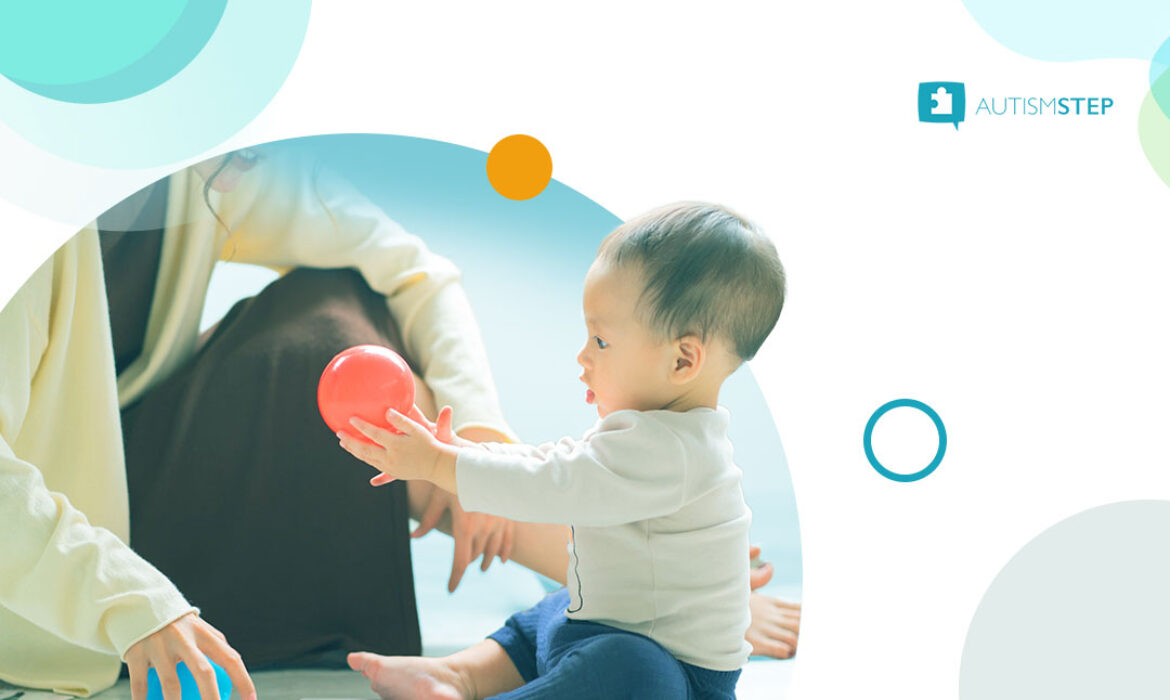
What is Sensory Overload Anxiety?
Anyone can struggle with sensory overload, but it’s more common among children with autism. Here’s why. 👀
Sensory overload anxiety can occur in children who are on the spectrum. It happens when an intense sensory stimulus overwhelms their ability to cope.
As a parent, to address these behaviours, you need to understand their triggers and from there, introduce activities to help them cope better. Providing sensory-rich experiences is imperative in helping your little one make sense of the world around them.
ABA therapy can help! A modified ABA program will allow your child to cope based on a tailored treatment plan, enabling them to unlock their full potential.
Learn more about ABA therapy and how it can help your child thrive. Please schedule a consultation with us today. Call +65 6456 9950 or tap here ➡️ https://www.autismstep.com/contact/
#AutismStep #autism #ASD #autismSG #autismsingapore #socialstories #ABA #therapy #autismawareness #autismsg #childwithautismsg #childrenwithautismsg #kidswithautismsg #autismtherapysg #autismsigns #childwithautismsg #childrenwithautismsg #kidswithautismsg #autismtherapysg #autismsigns

5 Must-Know Facts About High Functioning Autism
Autism spectrum disorder (ASD) is a tremendously complex developmental condition. Commonly, children with autism may experience restricted patterns of behaviour and impairments in social interactions and communication. It means they may find it difficult to interact with others and tend to exhibit repetitive behaviours.
For the longest time, only those with severe symptoms were diagnosed with autism. In the 1990s, however, milder forms of the condition have been recognised, including high functioning autism (HFA). In 2013, the American Psychiatric Association merged all these conditions into an umbrella term — autism spectrum disorder (ASD).
Does your child seem to fit into this category? Don’t worry, we’ll guide you through everything you need to know about high functioning autism.
High functioning autism is used to refer to people with mild ASD
Autism refers to individuals who struggle with relationships and social interactions. However, people with high functioning autism may possess some characteristics that others with ASD may not.
High functioning autism is not an official medical jargon or diagnosis. Rather, it is a term used to refer to people with mild ASD. Though having autism can be challenging no matter the severity of the condition, people with high functioning autism tend to thrive in everyday life. They can perform tasks like reading, writing, and completing daily activities independently and can communicate with other people.
Meanwhile, at the other end of the spectrum, individuals may be nonverbal, and assessing their learning capabilities and intelligence is challenging.
HFA symptoms are similar to common ASD symptoms (but milder)
People with high functioning autism may be more independent and verbal than those with autism but also have difficulty with social interaction and communication. Moreover, they find it hard to read social cues and might find it challenging to make friends.
In a nutshell, the symptoms may include:
Focus on routines. Children with high functioning autism may be obsessed with consistency and patterns. Routines may come in the form of strictly scheduled tasks, like brushing the teeth for precisely 2 minutes, eating the same meal every day, wearing the same outfit or using the same bag daily, or getting exactly 8 hours of sleep at night. They may even feel stressed when the schedule does not go as planned.
Unable to make friends or socialise. Like in children with autism, one symptom of high functioning autism is the inability to interact with their peers. However, a study has shown that social interaction is a problem faced by children in the spectrum in their daily lives, even those who are high functioning.
Exhibit emotional sensitivity. One of the most overlooked symptoms in people with high functioning autism is being sensitive to emotions. Though they function independently in their day-to-day life, they struggle to control their feelings (the same way non-autistic people often do, for that matter). For instance, a spilt glass of water, a stubbed toe, or things that don’t go as planned may cause emotional distress — affecting their concentration and mood throughout the day.
Sensitive to physical sensations. High functioning autistic people also experience sensory difficulties. They may react differently to loud noises, specific tastes, smells, or tactile feelings. When they are in noisy places, they may experience emotional distress. Some individuals may dislike specific clothing, texture, or even food.
Show repetitive or restrictive habits. People with high functioning autism may be obsessed about a topic, which can take over their thoughts most of the time. During conversations, they tend to talk about their favourite topic repeatedly.
Focus more on self. High functioning autistic individuals may find it hard to develop deep social relationships with others. They often spend a lot of time talking about themselves, their likes, their hobbies, and their favourite topics, not allowing another person to share a complete response.
Display attention to detail. HFA individuals have a keen eye for detail, pattern recognition, persistence, and intense focus, making these traits some of their strengths.
Find it hard to communicate. Though HFA individuals can communicate verbally and have no problems understanding language, they may find it challenging to understand sarcasm, idioms, or metaphors — also known as pragmatic language. Additionally, if they are faced with stress, they may struggle to speak.
HFA assessment uses the same tools as ASD
ASD may come in different forms, and high functioning autism may be hard to spot or diagnose. However, there are many tools healthcare professionals use to diagnose this type of autism. Remember, seeking professional help in your child’s assessment is essential. Here are commonly used tools to assess HFA.
Autism Spectrum Rating Scale (ASRS) – The ASRS utilises observational data from parents, guardians, and teachers to determine if a child meets the diagnostic criteria for ASD. Usually, health care practitioners use this tool between the ages of one and a half and 18 years old.
Autism Diagnostic Interview-Revised (ADI-R) – The ADI-R is a structured interview to assess ASD in children at 4 years old and above.
Autism Diagnostic Observation Schedule (ADOS) – The ADOS is one of the most widely used autism assessment tools for autism, particularly assessing an individual’s social interactions and imaginative play. Though some sections of this tool are specifically designed for children, they can also be used to evaluate adults.
Assessment of Basic Language and Learning Skills (ABLLS) – The ABLLS assessment is designed to determine critical learner and language skills in those with autism. The tool aims to assess language skills using the verbal behaviour method. At the same time, it helps health practitioners evaluate children’s academic, self-help, language, and motor skills. From the assessment, they formulate personalised treatment interventions.
Verbal Behaviour Milestones Assessment and Placement Program (VB-MAPP) – The VB-MAPP is an autism screening tool to assess a child’s language and social skills. Further, the assessment tool gauges the child’s learning styles to develop an appropriate curriculum.
HFA symptoms usually fall under level 1 ASD classification
Children in the spectrum are classified into three levels: level 1, level 2, and level 3.
In level 1 ASD, people may have symptoms but don’t interfere too much with their daily lives. For example, they can go to school, work, and have relationships. This is what most people refer to as high functioning autism.
In level 2, people may need outside support daily, including social skills training and speech therapy. Meanwhile, people in level 3 include those who require daily external help, including intensive treatment and complete assistance. This level is also termed low-functioning autism.
The main difference between level 1 or high functioning autism and level 2 and level 3 autism usually boils down to their behaviour, based on the perspective of their parents or caregiver. Their symptoms may go unnoticed as HFA patients can communicate and may not show any sensory or motor impairment signs. On the other hand, people in levels 2 and 3 may struggle with verbal communication, sensory problems, and social interaction.
However, HFA individuals may still struggle with a lack of routine and forming and maintaining relationships and friendships. They may still require support and therapy for such challenges but can live independently.
ABA can also benefit children with HFA
There is a common misconception that Applied Behaviour Analysis (ABA) therapy will not help high functioning children. However, ABA strategies for behaviour management in these children give a varying level of a structure according to their needs.
In addition, a modified ABA program allows high functioning children to learn in a less structured format. Therefore, ABA therapy is essential and influential in this group of people to reach their full potential.
Therefore, ABA therapy is effective in all children across the spectrum. That makes sense since the key to ABA-based interventions is tailored for each person’s treatment.
The takeaway
It’s critical to keep in mind that high functioning autism is not a formal diagnosis. Instead, it’s better to refer to the levels of autism as a spectrum, where children have unique behavioural differences. No matter how well autistic individuals thrive and function, they deserve all the support they need.
ABA therapy and other supportive treatments help autistic children improve their self-care, communication, social, and play skills. Further, it helps children manage their behaviour while reducing bad habits such as inattention, screaming, and attention.
As such, ABA therapy can unlock a child’s total capacity to function and live independently in the future. If you are looking for a reliable ABA provider in Singapore, we’d like to invite you to learn about what we do by browsing our website. AutismSTEP provides personalised ABA therapy for children with varying needs. So you can help your child thrive and be capable of living a full life.
To help you make an informed decision on the type of therapy your child needs, please schedule a consultation with us today, or call +65 6456 9950.
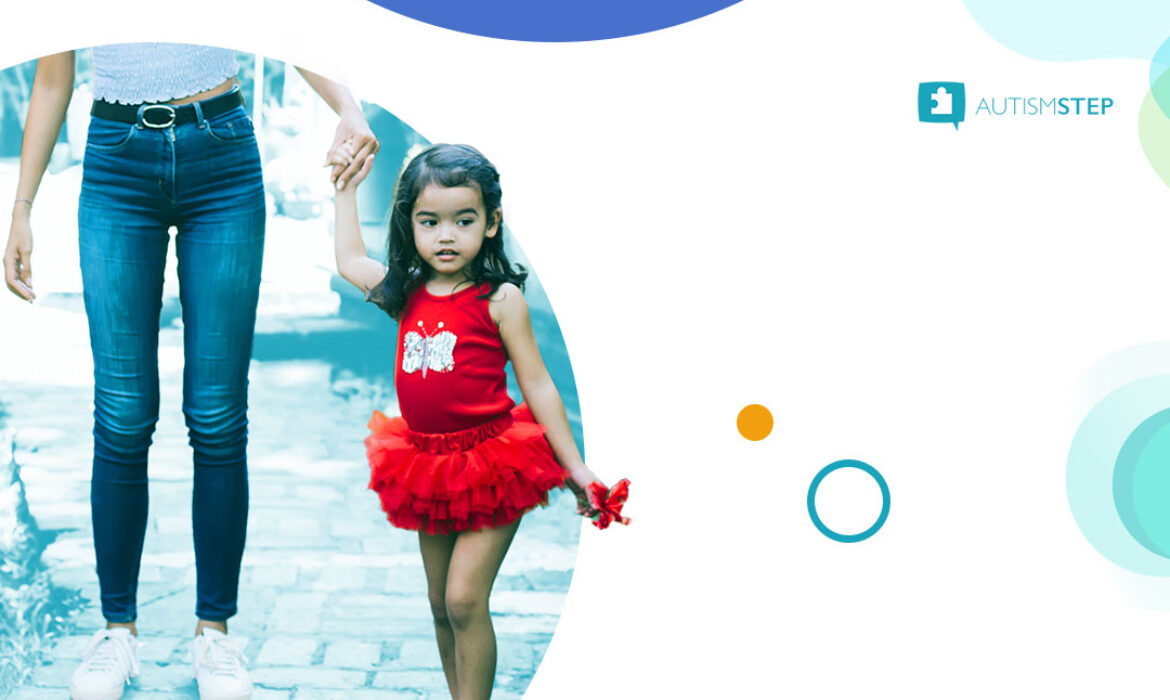
What is Hand Leading?
At 18 months, toddlers can usually point to something they want. But this is not the case in children in the spectrum, who find it hard to communicate what they need.
To cope with this difficulty, they tend to overly rely on pre-symbolic gestures such as pulling or leading parents to what they want. These are some of the core deficits often linked to early autism.
Hand leading or pulling is considered an atypical behaviour showing a lack of intersubjective understanding. ABA therapy can uncover the causes of these behaviours, helping children to change or improve them. Eventually, they will learn to communicate better.
If you want to know more about ABA therapy and how it can help your child, ring us at +65 6456 9950 or tap here ➡️ https://www.autismstep.com/contact/
#AutismStep #autism #ASD #autismSG #autismsingapore #socialstories #ABA #therapy #autismawareness #autismsg #childwithautismsg #childrenwithautismsg #kidswithautismsg #autismtherapysg

Delayed Developmental Milestones
The red flags to look out for in children with suspected autism include:
☑️Having delayed developmental milestones
☑️Being socially awkward
☑️Having trouble with verbal and nonverbal communication
Anytime you notice these symptoms or any significant delays in your child, you can have them undergo an evaluation from a developmental paediatrician or a psychologist to determine if they meet the criteria for Autism Spectrum Disorder (ASD).
Book for a consultation now or ring us up at +65 6456 9950.
#AutismStep #autism #ASD #autismSG #autismsingapore #socialstories #ABA #therapy #autismawareness #autismsg #childwithautismsg #childrenwithautismsg #kidswithautismsg #autismtherapysg

Early Autism Evaluation
Autism spectrum disorder (ASD) doesn’t look the same in all children, which makes it difficult to diagnose. Here’s why⬇️
☑️There is no medical test to diagnose the disorder.
☑️Doctors rely on the child’s developmental behaviour to make a diagnosis.
☑️Kids develop at different rates
☑️Symptoms vary so much
Early evaluation is imperative to spot autism in children. An autism assessment includes a battery of observations and assessments by a paediatrician or clinical psychologist during a well-child consultation.
Do you worry that your child may have autism? Autism STEP conducts autism evaluation through structured assessment tools. Book a consultation today or call us at +65 6456 9950
#AutismStep #autism #ASD #autismSG #autismsingapore #socialstories #ABA #therapy #autismawareness #autismsg #childwithautismsg #childrenwithautismsg #kidswithautismsg #autismtherapysg

Professional Autism Evaluation
The number of children with autism spectrum disorder (ASD) in Singapore is slightly higher than the World Health Organization (WHO)’s global figure. And here’s more…👀
👁️🗨️WHO reports that one in 160 children has autism across the globe
👁️🗨️In Singapore, one in 150 children has autism
👁️🗨️In Singapore’s population of 5 million, about 50,000 individuals have been diagnosed with ASD
👁️🗨️Of these, 11,500 are under the age of 19
Though the numbers can be quite alarming, experts believe the bulk of the increase stems from a growing awareness of autism and changes to the condition’s diagnostic criteria.
ABA therapy improves a child’s ability to function, reduces symptoms, and supports learning and development. Learn more about ABA therapy. Please schedule a consultation with us today, or call +65 6456 9950.
#AutismStep #autism #ASD #autismSG #autismsingapore #socialstories #ABA #therapy #autismawareness #autismsg #childwithautismsg #childrenwithautismsg #kidswithautismsg #autismtherapysg

Autism Questionnaire For Parents and Commonly Asked Questions
Autism spectrum disorder (ASD) can look very diverse in different children. They have varied verbal abilities ranging from no speech at all to speech that is fluent but may sound awkward or inappropriate.
As early as infancy, children with ASD may manifest different symptoms. They may become extremely focused on one object, avoid eye contact, or fail to engage in typical babbling. On the other hand, some babies may develop normally until they reach their second or third year of life.
As parents, it’s normal to feel concerned about your child meeting their developmental milestones. Nonetheless, it is important to figure out how to spot autism early to get an evaluation from a healthcare professional.
In this blog, we’ve rounded up a list of the commonly used autism questionnaires for parents to help gather information on possible early signs of ASD. We also added the questions that are usually asked.
Common autism questionnaires for parents
The Centres for Disease Control and Prevention (CDC) reports that ASD can be detected at 18 months or younger. When a child has been diagnosed by age 2 by a healthcare professional, it can be considered very reliable. Children can undergo assessment during their well-baby visits at 9, 18, and 30 months, as recommended by the American Academy of Paediatrics (AAP).
There are screening tools and common autism questionnaires for parents to determine if their child is performing their expected developmental milestones. These tools will help you see whether your child’s symptoms resemble those of children diagnosed with ASD. Usually, a high score will suggest that an autism evaluation from a trained healthcare professional is necessary.
In Singapore, the following are the commonly-used screening tools for autism:
- Autism Diagnosis Interview-Revised (ADI-R) – ADI-R is an interview for caregivers of children that focuses on behaviours of children in three areas – communication and language, quality of social interaction, and repetitive, restricted and stereotyped behaviour and interests.
- Autism Diagnostic Observation Schedule (ADOS) – This tool is clinic-based play observation, wherein the physician will observe a child for about 40 minutes to one hour with activities that aim to assess a child’s social communication, play or imaginative use of materials, and social interaction.
- IQ Test: The WPPSI and WISC – These are clinical tools that are used to ascertain if the child may be on the autism spectrum. These tests have various components such as verbal comprehension, visual-spatial, fluid reasoning, working memory, and processing speed.
Worldwide, other tools are also used to evaluate if a child has ASD:
- Assessment of Basic Language and Learning Skills (ABLLS) – The ABLLS assessment is designed to determine critical learner and language skills in those with autism and other developmental disabilities. The test also assesses expressive language skills using the verbal behaviour method of behavioural analysis. It helps healthcare professionals assess academic, language, self-help, and motor skills deficiencies, and then implement and evaluate treatment interventions.
- Verbal Behaviour Milestones Assessment and Placement Program (VB-MAPP) – The VB-MAPP is an autism screening tool used to assess a child’s language and social skills. In addition, the tool also measures learning styles to develop the appropriate curriculum. Further, the system is designed to monitor and track improvement over time for those with language delays.
- Early Symptomatic Syndromes Eliciting Neurodevelopmental Clinical Examinations-Questionnaire (ESSENCE-Q) – The ESSENCE-Q, which was developed by Professor Christopher Gillberg in 2010, is a level-one questionnaire developed to focus on the various psychiatric and learning problems experienced by children in the first five years of life. It can help parents determine common developmental disorders in their children, before they can get a diagnosis.
- Autism Behaviour Checklist (ABC) – This level-two screening questionnaire highlights the signs and symptoms of ASD. It’s a 57-item behaviour rating scale to assess the behaviours and symptoms of autism for children 3 years old and above.
- The Autism Family Experience Questionnaire (AFEQ) – The AFEQ was developed through online consultations with parents. It was administered to parents of children enrolled in the Pre-school Autism Communication Trial.
- Autism Spectrum Screening Questionnaire (ASSQ) – The ASSQ is a screening questionnaire designed to determine the prevalence of Asperger’s Syndrome, and is now one of the most widely-used autism screening tools across the globe.
A pre-assessment test is also a good start for parents to see if their child is exhibiting symptoms of autism. This online test can provide a basis for parents to seek a more detailed screening tool provided by health professionals.
Questions that parents should ask before seeking diagnosis
1. Does your child look you or others in the eye?
Children with autism show deficits in nonverbal communicative behaviours used for social interaction, including the lack of eye contact.
Eye contact helps people communicate their attention and interest to a conversation partner. Often, we maintain eye contact to respond to important social cues from others. For children in the spectrum, however, making eye contact can be extremely stressful. Hence, they avoid eye contact, or they can’t maintain it for a long period of time.
2. Does your child respond to their name?
Infants as young as 4 to 6 months old usually perk up and become attentive when they hear their names. This hints that the sound patterns of their names are internalised early in life. Children with autism often fail to consistently respond to their names by their first birthday. It’s also one of the most consistent early signs of ASD and other developmental delays.
A study also found that at 9 months old, infants developing autism were more likely to fail to orient to their names, which persists through 24 months of age.
3. How does your child communicate with you non-verbally?
Nonverbal communication is important as it improves one’s ability to engage, relate, and establish meaningful communication. It provides valuable information about a situation, including how we feel, receive information, and approach another person.
People with autism, however, find it difficult to use words to express what they need and want. They often speak in single words or short phrases and struggle in understanding language. They have a hard time recognising nonverbal cues, or their gestures or expressions do not match the situation.
You may be asked if your child uses your hand if they want something, or if they can point to an object and say they want it. Also, an autism questionnaire for parents may include queries about your child’s facial expressions, such as smiling, pouting, and frowning, in response to situations.
In turn, it’s also important to note if your child understands or responds to the expressions of other people. For instance, when you frown or exhibit an angry face, will they know that you’re sad or upset?
4. Does your child repeat sounds and words they hear?
Echolalia is when children with autism repeat words without regard for meaning. No one knows the cause of echolalia, but it’s common in autism. They repeat the phrases or words of familiar people, like their parents or caregivers, or they might repeat words or songs from their favourite video.
There are two types of echolalia – immediate and delayed. Immediate echolalia happens when the child repeats words or sentences right after they’ve heard them. In delayed echolalia, the words are repeated at a later time.
Children often develop echolalia because of prolonged hours of screen time and repeat-watching the same video or the same video segments over and over again. As a result, they become obsessed with it. Thus, even when they are not watching the video, it replays in their head, causing delayed echolalia. In immediate echolalia, the child does not understand the question asked but is aware that they are expected to answer. So, they repeat after you.
5. Does your child have sensory needs?
When we talk about sensory input, we think of our five senses – sight, smell, taste, hearing, and touch. In ASD, children can experience both hyposensitivity (under-responsiveness) and hypersensitivity (over-responsiveness) to a broad range of stimuli. In some cases, they might have a combination of both.
Children may react strongly to bright lights or loud noises. Certain sounds, smells, tastes, and textures can be overwhelming for them, which leads to a meltdown. Often, they resort to sensory avoidance wherein they try to get away from stimuli. This may look like covering their ears to avoid loud noises, pulling away from physical touch, and avoiding certain clothing or food.
6. How well does your child communicate verbally?
Delayed speech is a classic sign of ASD. Some children with autism have very limited speaking skills, while others may not be able to communicate using speech or language. This question is usually asked in autism assessment tools. Some follow-up questions include topics about conversations with others, how well they express their thoughts, and if they use words or phrases that only you can understand.
7. What Activities Does Your Child Like?
One important aspect of an autism evaluation is knowing what activities they like. Most often, they are fixated on certain objects, like spinning a toy car’s wheel.
Lining up toys in a row and arranging things symmetrically are also common in children with autism. However, experts say that these are usually seen among toddlers as they are in a stage of mastering things in their environment. Parents should be concerned when these behaviours have become habitual or obsessive.
It’s also common for children with autism to get upset when their routine becomes interrupted. Autistic children also play differently than those who do not have autism. They often prefer repeated actions over and over, rather than playing pretend. They prefer to play alone and struggle with playing with other kids.
8. Does your child engage in odd movements?
Stimming is a typical symptom in children on the spectrum. It refers to self-stimulating behaviours involving repetitive sounds or movements. When they feel anxious, stressed or even when they’re happy, they resort to movements like rocking, hand flapping, flicking their fingers, waving their arms.
Next steps
An autism questionnaire for parents provides an overview of the questions your healthcare professional will ask during an evaluation. If your child’s scores are worrisome, you need to contact a multidisciplinary team for an autism assessment, including a paediatrician, a psychologist, a psychiatrist, a speech pathologist, and a therapist.
Remember, there’s no single test for autism. An ASD diagnosis is based on observing how children interact and play with others, reviewing their developmental history, and interviewing parents or caregivers.
At AutismSTEP, we are a team of certified and experienced BCBAs and RBTs. We conduct autism assessments and provide a tailored treatment plan for your child. To ensure that your child is in good hands during the therapy sessions, all our therapists are RBT-certified.
To help you make an informed decision on the type of therapy your child needs, please schedule a consultation with us today, or call +65 6456 9950.

AutismSTEP and Income insurance Collaboration
For the first time in Singapore, insurance company Income insurance collaborates with an Autism Centre, AutismSTEP.Income insurance provides coverage to children with autism for medical expenses due to accidents and infectious diseases. Get coverage for both you, as the policyholder, and your insured child.AutismSTEP clients can now sign up for SpecialCare (Autism) Insurance and enjoy an exclusive 10% discount—as long as you are our existing client before applying for the insurance. Learn more about the insurance plan and coverage ➡️ https://tinyurl.com/2p84pxa9#AutismSTEP #Income #insurance #autisminsurance #autisminsuranceSG #autism #ASD #autismSG #autismsingapore #socialstories

ABA Therapy: Help Your Child Live a Full Life
Getting an autism diagnosis for your child can be a life-changing experience for your family, but you’re not alone in this. Here’s how we can help ⬇️
There is no one-size-fits-all treatment for Autism Spectrum Disorder (ASD). A personalised, research-based therapy reduces symptoms and improves quality of life.
ABA therapy improves self-care skills, social skills, play skills, and the ability to manage their behaviour. There may be no cure for autism but with supportive therapy and treatment, your child can live a full life.
Learn more about how ABA therapy can guide your child to overcome the symptoms of ASD. Visit our page to learn more ➡️https://www.autismstep.com/autism-assessment-for-children-what-to-expect/
#AutismSTEP #autism #ASD #autismSG #autismsingapore #socialstories #ABAtherapy #autismtherapy
 AutismSTEP