
How Can ABA Therapy Teach Your Child New Skills?
How can ABA therapy teach your child new skills? It uses the principles of behaviour such that each skill is broken down into component parts and taught through prompting and reinforcement.
What sets it apart is that it is systematic, time-bound, and the skills are arranged in a way that the successful completion of one will lay the foundation for the next skill.
To learn more about ABA therapy, read some of the most frequently asked questions in our blog ➡️ ASD & ABA Therapy FAQ
#AutismStep #autism #ASD #autismSG #autismsingapore #socialstories #ABA #therapy #autismawareness #autismsg #childwithautismsg #childrenwithautismsg #kidswithautismsg #autismtherapysg
What Are The Different Causes of Autism?
When your child or a loved one is diagnosed with autism spectrum disorder (ASD), it’s natural to ask why — how did they develop autism and what caused them to have autism?
Even experts don’t fully understand the causes of autism as there might be several factors, including genetic and developmental factors.
Knowing these possible factors, however, can help parents decide to have their children evaluated by health professionals. In this blog, we’ll shed light on the most common risk factors and possible causes of ASD, to help you make informed decisions in taking the next steps toward your child’s wellbeing.
Autism by the numbers
Autism spectrum disorder (ASD) is a developmental condition that alters the ability to interact and communicate. Autism is tagged as a spectrum disorder because children who are diagnosed differ in severity.
Some children may show symptoms at a very early age, while others may manifest the symptoms at a later age, even during childhood and adulthood.
Autism is one of the fastest-growing disabilities. The U.S. Centers for Disease Control and Prevention (CDC) estimates that the current prevalence in the United States is 1 in 44 children in 2018. It is more common in boys than in girls.
Meanwhile, in Singapore, about 1 in 150 children are on the spectrum, a slightly higher rate than the global incidence of 1 in 160 children, as estimated by the World Health Organization (WHO).
Health experts claim, however, that the rising number of autism cases may also be due to increased and early testing of children. With the rise of awareness about the condition and its symptoms, more parents are opting to get autism evaluations for their kids.
Since the number of children affected with autism increases over time, it is crucial to understand the risk factors involved and potential causes.
What are the causes of autism?
Autism has no definite cause, but scientists claim that a multitude of factors may influence a child’s development. Studies have shown that genetics plays an imperative role in the development of autism in children. Until recently, groundbreaking new studies indicate that environmental factors may also be important in autism.
Let’s tackle each set of potential causes to shed light on how these can affect the development of autism in children.
Genetic basis for autism
Autism was once believed to be caused by improper parenting, but researchers believe that genes, not psychological factors, are to blame.
In a study published in JAMA Psychiatry, researchers reported that about 80 percent of autism risk stems from inherited genes. The study covered more than 2 million children in Denmark, Finland, Sweden, Israel, and Western Australia.
Further, it has also been shown that if one child has autism, their siblings have a 5 to 10 percent chance of developing some sort of autistic disorder. In identical twins, however, there is about a 60 percent chance of developing the condition.
Evidence suggests a genetic basis for autism, but it’s unclear if there’s a single gene responsible for it, or a combination of various genes that act together. Various genes appear to be involved in autism. Some autism cases are tied to genetic disorders like the fragile X syndrome and Rett syndrome.
Environmental factors
In the past, twin studies showed that around 80 to 90 percent of ASD cases are caused by hereditary factors, with little contribution from the environment. Recently, studies have suggested that 40 to 50 percent of the variance is found by environmental factors.
It is important to note that these factors were found to play a marginal role in the risk of autism development, but they are still present.
• Parents’ Age
Advanced paternal and maternal age at the time of conception has been associated with an increased risk of developing autism.
• Pregnant mothers are exposed to certain chemicals, infections, and medicines
Studies have shown that maternal exposure to some pathogens, chemicals, and drugs is tied to an increased risk of giving birth to a child with autism. Pregnant women who have been exposed to some chemicals, drugs, alcohol, cigarette smoke, and anti-seizure drugs, are more likely to give birth to a child with autism.
• Maternal diabetes, obesity, or immune system disorders
autism. Pregnant women who have diabetes and obesity are more likely to give birth to an autistic child. In other cases, exposure to the rubella virus, the virus that causes German measles, and phenylketonuria, a condition linked to the absence of an enzyme, may increase the risk of developing ASD.
• Low birth weight or extreme prematurity
Babies who are born prematurely or have low birth weight are more likely to develop autism. Also, babies who had oxygen deprivation during the delivery may develop autism.
These environmental factors alone are unlikely to cause autism. However, they may increase the risk of autism, when present alongside genetic factors.
What doesn’t cause autism?
Several factors were popularly tied to the development of autism. For instance, in the past, they tied autism to bad parenting.
In the 1950s and 1970s, people once believed that autism is a psychological disorder blamed on uncaring parents, particularly mothers. The good thing is, science and research have shown that this theory is false. Nothing said or done caused autism.
Vaccines have also been linked to autism development. But studies have shown no link between vaccines and ASD.
How can ABA therapy help with autism?
Now that we’ve tackled what are the causes of autism, it’s also important to note that early treatment can help children live with an improved quality of life.
Dubbed as the gold standard in autism treatment today, Applied Behavioural Analysis (ABA) by licensed behavioural consultants is the key to treating autism. The one-on-one therapy will help address some issues including rigidity, obsession, negative behaviours, lack of eye contact, inconsistency with name and instruction response.
Takeaway
There’s no cure for autism, but supportive therapy and treatment can help the child live a normal life. Though the exact causes of autism aren’t clear, there are risk factors that may influence the development of the condition. These may also help the parents decide if their child needs an autism assessment.
AutismSTEP is a team of certified and experienced BCBAs and RBTs. To ensure that your kids are in good hands during the therapy sessions, all our therapists are required to be RBT-certified. AutismSTEP conducts autism assessments using standardised tools like VB-MAPP, too. Tap here to know more about The Role of An Autism Specialist in Singapore.
To help you make an informed decision on the type of therapy your child needs, please schedule a consultation with us today, or call +65 6456 9950.

Why is Having a Schedule Important for a Child with Autism?
Schedules establish a predictable environment where the child can feel safe.
And because the child can understand expectations, you can use schedules to tell them what they can get if they do something they normally would not want to do. They know that play time, for example, comes after bath time.
Schedules come in many forms depending on your child’s abilities. To learn more about techniques in ABA therapy, contact us here ➡️ https://www.autismstep.com/contact/
#AutismStep #autism #ASD #autismSG #autismsingapore #socialstories #ABA #therapy #autismawareness #autismsg #childwithautismsg #childrenwithautismsg #kidswithautismsg #autismtherapysg
Why is Early Assessment Important in Autism?
Getting an early autism assessment is crucial because it will pave the way for the proper interventions to take place. Early intervention can result in improved intellectual capabilities and better speech control, for instance.
Autism can significantly impact a child’s life, but there are ways to ensure that they are getting the right care to unlock their true potential.
To learn more about how ABA Therapy can help, send us a message here ➡️ https://www.autismstep.com/contact/
#AutismStep #autism #ASD #autismSG #autismsingapore #socialstories #ABA #therapy #autismawareness #autismsg #childwithautismsg #childrenwithautismsg #kidswithautismsg #autismtherapysg

What is Tacting?
Tacting is an important skill to build especially for children with ASD. It can help them increase social communication and reduce repetitive language.
ABA therapy can unlock a child’s verbal potential and help them build the language skills necessary to describe their day-to-day environment.
To learn more about our ABA therapy, send us a message here ➡️ https://www.autismstep.com/contact/
#AutismStep #autism #ASD #autismSG #autismsingapore #socialstories #ABA #therapy #autismawareness #autismsg #childwithautismsg #childrenwithautismsg #kidswithautismsg #autismtherapysg
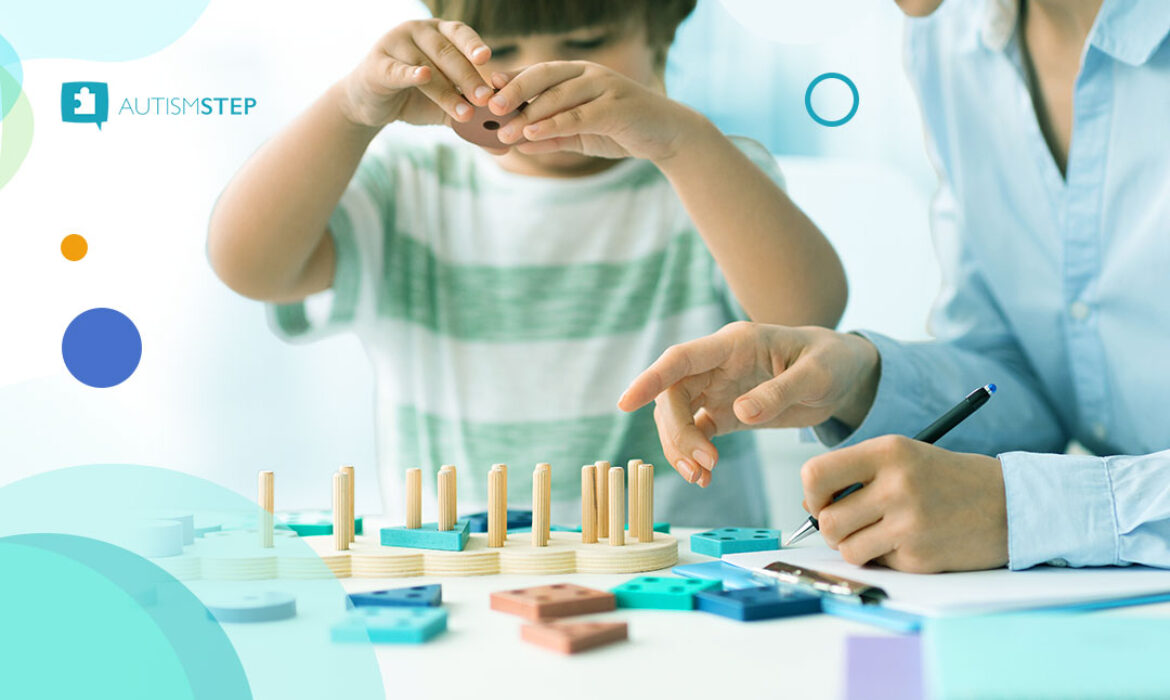
Autism Assessment for Children: What To Expect And How To Prepare For It
Autism spectrum disorder (ASD) doesn’t look the same in all children, which makes it difficult to diagnose. ASD can sometimes be detected at 18 months of age, or even younger. Some children can get a diagnosis when they are around 2 or 3 years old, which is considered reliable. However, some people are not diagnosed until they are in their teens or adulthood. The delay in getting a diagnosis can take a toll on a child’s development.Since early detection is the key, the first step to helping your child thrive is getting a professional autism evaluation. In this blog, we’ve rounded up what happens in an autism assessment and how you can prepare your child.
What are the benefits of getting an early autism assessment?
In Singapore, more than 200 estimated cases of autism in children are diagnosed yearly.
Since autism can impact a child’s life in so many ways, it’s crucial to have intervention as early as possible. When earlier intervention is initiated, it can result in improved intellectual capabilities and better speech control. After completion of the intervention, the child can develop more effective motor control and communication skills.
The key to early treatment is detecting the needs of your child as early as possible, says researchers at the Yale Child Study Center. A study by the researchers, they are focused on finding ways to detect ASD in children earlier in infancy with the use of eye-tracking technology. This way, when children in the spectrum are diagnosed early, they will receive treatment, not allowing them to miss out on opportunities to learn about the world.
Other studies have also shown that when a child obtains an initial diagnosis, they are more likely to show improved developmental, cognitive, and adaptive functioning. Further, they will have enhanced social and language skills.
What is an autism assessment?
Diagnosing ASD is not a one-step test, but rather a battery of observations and assessments. Autism assessment is usually ordered by a paediatrician or clinical psychologist during a routine well-child consultation. You may also observe the signs and symptoms of ASD and report it to the doctor.
The signs and symptoms include:
- Problems with communication skills, such as finding it difficult to talk to other people
- Unusual or intense interests
- Avoids eye contact
- Does not respond to name
- Does not share interests with others, especially with other kids
- Finding some situations hard to cope with
- Strong prefers usual routines
- Lines toys
- Hand leads
- Repeats words or phrases (echolalia)
- Rocks body and flaps hands
- Delayed language skills
- Delayed cognitive skills
The National Center on Birth Defects and Developmental Disabilities (NCBDDD) endorses that all children should undergo screenings at 9, 18 and 24 months, or 30 months. Meanwhile, autism assessment or screening should be included in the standard 18 and 24-month regular child checkups as suggested by the American Academy of Paediatrics (AAP).
What is an autism assessment?
If your child needs an assessment, it should start within three months. The team of licensed assessors, including the paediatrician, will make sure you and your family know what will happen.
A case coordinator will be in charge of explaining answers to your questions, getting information and support from the family, and collecting information such as family history, developmental milestones, and a report from the school about the child’s behaviour and performance.
1. Before the assessment
This initial step is crucial for the assessors to have a baseline of the information needed to make a diagnosis. Apart from these, they will also conduct screening and observation.
How to prepare for it?
Since the team will need information about your child and family, it’s recommended that you know your child’s health history. This includes family history, birth history, and personal health.
The family history includes all information about risk factors that run in the family, including if the child has older siblings with ASD, relatives with the condition, and at what age the parents had the child.
The birth history includes information about the child’s birth – was he or she premature, did he or she have complications during childbirth or did the baby have reduced oxygen supply during birth. In some instances, infants with very low birth weight are also at an increased risk of developing ASD.
Lastly, know the child’s health, including major health problems in the past. This is important because some health problems are common in children with autism, such as sleep problems, anxiety, and gastrointestinal issues.
2. During the assessment
During the assessment, the team will observe the child in various settings and use objective tools to assess the child’s triad of challenges. The team will screen for language or communication delays, play or social delays, and restricted or rigid behaviours.
They will use various screening tests to ensure that the child will be assessed appropriately. Typically, an autism assessment will last for about 3 to 4 hours, conducted over about three sessions.
How to prepare for it?
During this phase, you must understand the process, how it will be conducted and how long it will take to land a diagnosis. It is recommended to accompany your child and make sure they had plenty of rest the night before. However to make sure that the assessment result is accurate, do not prompt your child if you are sitting in during the assessment.
Also, the child should have eaten their meals before the test. Provide a walkthrough of what to expect during the assessment, including where you will go, who they will meet, and what they may do. If your child is unwell, tired, or uncooperative, ask to reschedule the assessment.
3. After the assessment
After the autism screening or assessment, the team may explain whether they think your child has autism and why. A written report will be provided, which includes all findings. For children on the spectrum, the team will now recommend the treatment plan appropriate for your child’s needs.
Conclusion
It’s essential to identify children with possible ASD early so they will receive the needed intervention and support services to address their learning needs. An autism assessment will help parents confirm if their child has autism and other developmental issues.
Autismstep is a team of certified and experienced BCBAs and RBTs. To ensure that your kids are in good hands during the therapy sessions, all our therapists are required to be RBT-certified. Autismstep conducts autism assessment, too. Tap here to know more about The Role of An Autism Specialist in Singapore.
To help you make an informed decision on the type of therapy your child needs, please schedule a consultation with us today, or call +65 6456 9950.

Licensed ABA Therapists are Your Child’s Development Partners
For parents of children with autism, finding ease in day-to-day activities can be tough. That’s why it’s important to find a support system that genuinely understands the unique challenges of families with a loved one diagnosed with ASD.
Licensed ABA therapists can be your partners in your child’s development. Through home-based ABA Therapy, our RBT and BCBA therapists can help children with ASD master skills that are crucial in their daily activities.
To learn more about our programmes, reach out to us here ➡️ https://bit.ly/3NjfXxl
#AutismStep #autism #ASD #autismSG #autismsingapore #socialstories #ABA #therapy #autismawareness #autismsg #childwithautismsg #childrenwithautismsg #kidswithautismsg #autismtherapysg

Poor Eye Contact – ASD
Did you know that making eye contact can be stressful and very uncomfortable for people in the spectrum?
Studies suggest that avoidance of eye contact is an early indicator of autism spectrum disorder—and it’s not that they’re socially challenged or indifferent like most people think.
By avoiding eye contact, they save themselves from the unpleasant feeling of excessive stimulation due to the overactivation of a particular part of the brain.
If you want to know more about autism or are interested in having your child evaluated, just ring us up at +65 6456 9950 👆
#AutismStep #autism #ASD #autismSG #autismsingapore #socialstories #ABA #therapy #autismawareness #autismsg #childwithautismsg #childrenwithautismsg #kidswithautismsg

Savant Syndrome
Savant syndrome is a condition in which persons with ASD or other developmental disorders exhibit impressive abilities. These are called splinter skills or savant abilities, which are considered remarkable in contrast to the typical characteristics of autism. These skills are often observed in areas such as memory, music, mathematical calculation, sensory sensitivity and athletic performance among others.
These often-prodigious gifts or talents in most autistic savants are shown in obsessive and repetitive behaviours. However, these skills may appear to have little functional application or meaning.
Find out where your child stands in the spectrum. You can start with a pre-assessment test here >> https://www.autismstep.com/pre-assessment-test/
#AutismStep #autism #ASD #autismSG #autismsingapore #socialstories #ABA #therapy #autismawareness #autismsg #childwithautismsg #childrenwithautismsg #kidswithautismsg #autismtherapysg

Know Your RBT’s Credentials
A large part of the success of our ABA therapy is owed to our behavioural therapists—the Autismstep frontliners, all of whom are RBT-certified.
Any discerning parent would require their ABA therapists to be certified. A certification signifies that the behavioural therapist has the necessary training and experience to implement the strategies, collect data and educate the parents/primary caregivers.
If you want to know more about an RBT’s role in ABA therapy and why it should matter, check out our blog >> Autism Specialist
#AutismStep #autism #ASD #autismSG #autismsingapore #socialstories #ABA #therapy #autismawareness #autismsg #childwithautismsg #childrenwithautismsg #kidswithautismsg #autismtherapysg