


Parents and Caregivers training – SkillsFuture
Do you want to find out which therapy is the most beneficial for your child?
A Parents and Caregivers training to help caregivers understand and apply the most researched on and clinically proven method to manage challenging behaviours of their child.
Who is it for?
✅ Caregivers or Parents for children with :
Autism
Behavioral and attention issues
Meltdown and tantrums
Difficulty learning new skill sets
Stimming behaviours, rigidity and obsessions
✅ Wanting to find out what is the best treatment or therapy for your child
What will be covered?
Topics:
🔸About Autism and its early signs
🔸What is theory of mind, stims and obsessions?
🔸Causes of autism?
🔸Common Treatments available and how to know which form of therapy is most beneficial for your child?
🔸Learning about ABA and how to use it to manage challenging behaviours or encourage positive behaviours
🔸How to choose and deliver your reinforcers or rewards?
🔸Brainstorm on your child’s problem behaviours and how to overcome it
🔸DTT and Discrimination Training and how to use it to teach your child
🔸PECs
🔸How do I prompt my child?
Details of Training Workshop
Time: 9am to 4pm, lunch break from 12pm to 1pm
Day of training: Sundays, please contact us for the available date
Venue: 2 tampines Central 6
Fee: $380 (fully claimable with SkillsFuture Credits)
Visit https://www.autismstep.com/pct/ to sign up now!

Transitioning Out Of Childhood: Building Independence In Adolescents With Autism
Adolescence is a time of big changes, full of new emotions, responsibilities, and a growing desire to be independent. For teenagers on the autism spectrum, this stage can feel both exciting and challenging. The routines of childhood begin to shift, and everyday moments such as managing schoolwork, friendships, or personal care become important chances to build life skills. With the right support, these years can be a meaningful time for growth, self-discovery, and confidence.
However, independence takes time, and it grows through structure, patience, and gentle encouragement. Families, teachers, and therapists each play an important role in helping adolescents develop the tools they need to navigate the world more confidently. At AUTISMSTEP, we focus on guiding that process with care and expertise. This blog explores practical ways to support independence, empowering teens with autism to take steady, confident steps toward a more self-reliant future.
Nurturing Growth: Practical Ways To Help Adolescents With Autism Build Independence
Building independence isn’t about doing everything alone. It’s about developing the confidence, skills, and support systems that help a young person navigate the world in their own way. With the right guidance and structure, this stage can become a time of discovery and empowerment for both teens and their families.
1. Start with Daily Living Skills
Every step toward independence begins with the basics of daily life. Simple activities like getting dressed, preparing a snack, or organising personal belongings are powerful learning moments. They build a sense of control and self-confidence. Parents and caregivers can support this by breaking tasks into smaller steps, offering visual reminders, and celebrating effort just as much as success.
Home-based therapy sessions are especially effective at helping adolescents master these everyday skills. In a familiar environment, teens can practice real routines with less stress and more consistency.
2. Encourage Decision-Making and Self-Advocacy
As children grow into adolescents, learning to make choices becomes an essential part of becoming independent. This can start with simple things like selecting a meal, or planning a weekend activity, and gradually expand to bigger decisions like setting personal goals or expressing preferences during therapy sessions.
Guiding this process gently helps adolescents with autism build self-awareness and confidence. When adults listen, offer clear options, and validate their opinions, young people learn that their voice matters.
3. Build Social and Emotional Understanding
Independence also grows through emotional awareness and social connection. Many adolescents on the spectrum benefit from learning how to read social cues, manage feelings, and express themselves effectively. Structured opportunities like group play, shared hobbies, or outings with peers help them practice these skills in real-world settings.
Emotional regulation tools, such as deep-breathing exercises, journaling, or visual “feelings charts,” can also make a difference. Practising these strategies during home-based therapy sessions allows teens to apply them comfortably in a familiar environment before using them in the community.
4. Develop Learning and Work Readiness Skills
As teens approach adulthood, it’s important to think about the future – education, career interests, and community life. Developing learning and work readiness skills prepares adolescents to handle these next steps with confidence. Practical lessons like time management, teamwork, and communication all play a crucial part.
Vocational training in Singapore offers valuable opportunities for older adolescents with autism to explore their strengths and talents. Through guided experiences, they can learn workplace routines, understand social expectations, and discover roles that suit their interests. Early exposure to vocational training helps teens imagine what their adult lives could look like and gives them the tools to build toward it.
5. Encourage Real-World Learning through School Support
For many adolescents, school is where independence is tested and strengthened every day. A school shadowing programme can offer the support needed to succeed in that environment. With the help of trained professionals, teens learn how to manage transitions, follow classroom routines, and interact with peers more confidently.
The goal is always gradual progress, with each step helping the adolescent move from guided support toward self-reliance. Each small victory, whether it’s asking a teacher for help or joining a group activity, helps build independence in a natural way.
6. Strengthen Structure through Behavioural Support
Consistency and structure are key when supporting adolescents on the autism spectrum. ABA in Singapore (Applied Behaviour Analysis) offers evidence-based strategies that focus on building life skills and positive behaviours. Through step-by-step teaching, reinforcement, and individualised goals, ABA helps teens develop communication, daily living, and self-management skills. When ABA principles are applied not just in therapy sessions but also at home and in school, progress becomes more meaningful and lasting.
7. Partner with Trusted Professionals
The journey toward independence can feel overwhelming at times, but families don’t have to take it alone. Professional support can make all the difference. AUTISMSTEP is dedicated to empowering adolescents to reach their potential through personalised programs. Our approach combines structured interventions, real-world practice, and compassionate care to help each individual grow in confidence and capability.
Conclusion:
Building independence is not a single milestone but a journey of steady growth and self-discovery. Each new skill learned and every confident step taken brings adolescents, on the spectrum, closer to leading more fulfilling, self-reliant lives. With patience, structure, and consistent support, families can help their teens thrive as they transition into young adulthood.
AUTISMSTEP is here to be part of that journey. Through personalised programs, compassionate guidance, and practical skill-building, we empower adolescents to grow in confidence and capability. Contact us today!

When To Consider Vocational Training For Teens With Autism: A Parent’s Guide
The journey toward the future can unfold differently for teens on the Autism spectrum. While many families may focus on academic or college pathways, teens with autism often shine when their strengths are nurtured through hands-on learning and real-world experiences. Vocational training offers a practical way forward by teaching job-ready skills in structured environments where routines and tasks are clear. For many teens on the autism spectrum, this approach not only makes learning more accessible but also builds confidence, independence and a stronger sense of purpose.
Vocational training plays a vital role in supporting the transition to adulthood, giving teens opportunities to practice communication, teamwork, and problem-solving in ways that fit their unique learning styles. AUTISMSTEP provides specialised vocational training in Singapore to help them prepare for meaningful employment and daily life. When parents consider vocational training early, they help pave the way for their teen’s independence.
When To Explore Vocational Training Options For Teens With Autism: A Parent’s Guide
When academic learning feels overwhelming
Traditional classrooms are often designed around a fast-paced curriculum. For many teens, this environment can feel overwhelming, especially when lessons focus on areas that don’t connect to their strengths. You may notice your teen becoming anxious during homework, feeling disengaged in class, or expressing frustration about subjects that seem unrelated to real life. Vocational training offers a gentler, more practical alternative. Emphasising hands-on learning, it helps your child discover the joy of mastering tasks that have visible, tangible outcomes. Instead of struggling to fit into a system that feels limiting, teens on the spectrum can find a space where their skills are valued and celebrated.
When your teen shows interest in specific tasks or routines
Every parent knows the small sparks of joy that light up their child’s day. For some teens, these sparks often appear in the form of specific tasks or routines that bring comfort and focus. Your child might love sorting items, following recipes, caring for animals, or working with computers. These patterns of interest are more than hobbies; they can be early indicators of vocational strengths. Vocational training builds on these interests, helping them turn natural tendencies into meaningful skills.
During transition planning in the teenage years
Between ages 14 and 16, most schools begin transition planning, which is designed to prepare teens for adulthood. For those on the autism spectrum, this stage is especially important. It’s the time to think not just about academics, but also about long-term goals, career possibilities, and the everyday skills needed for independence. Vocational training introduced during this period gives teens the chance to test their abilities in structured, supportive environments while still having the safety net of school. Early planning reduces stress later, allowing teens to enter adulthood with a clearer sense of direction and confidence.
When your teen benefits from practical, real-world learning
Some teens absorb knowledge best through books and lectures, but others truly shine when learning is hands-on. For many, real-world practice creates deeper understanding and lasting skills. For example, learning customer service through a mock retail setting, practising food preparation in a kitchen environment, or troubleshooting technology issues under supervision all provide direct, meaningful learning. Vocational training not only teaches job skills but also social skills like teamwork, problem-solving, and time management. In AUTISMSTEP’s structured vocational training program, teens are guided step by step, which helps reduce anxiety while building resilience. These experiences are invaluable as they prepare teens to navigate adult responsibilities with greater confidence.
When additional support systems are in place
No training program works in isolation. The most effective outcomes happen when vocational training is paired with supportive services that address other areas of development. Autism therapy can strengthen communication, emotional regulation, and social interaction. When combined with vocational training, therapy ensures that teens are not only capable of performing job tasks but are also better equipped to manage challenges like workplace stress or teamwork dynamics. A holistic approach that balances therapy, training and daily life skills helps teens build a strong foundation for independence. It creates smoother transitions into adulthood and nurtures resilience along the way.
When parents want to prepare their teen for long-term independence
Vocational training is about so much more than preparing for a job. It is about equipping teens with the skills, confidence, and independence they need to thrive in adulthood. Parents who start this journey early give their child the chance to build a sense of identity and purpose while reducing the uncertainty that can come with life transitions. From managing daily routines to building positive workplace habits, vocational training helps teens grow into capable young adults ready to contribute meaningfully to their communities. Most importantly, it reassures parents that their teen is moving toward a future where their unique abilities are valued and put to good use.
Conclusion:
Every teen’s journey into adulthood is unique, and for those on the autism spectrum, the right guidance can make all the difference. Vocational training provides opportunities for teens to grow beyond the classroom, discover their strengths, and build lasting confidence. By starting early, parents can support their teens’ transition into adulthood while giving them the tools to achieve both independence and meaningful employment.
Specialised programs provide structure, encouragement, and real-world experience. AUTISMSTEP offers vocational training in Singapore that is tailored to the needs of teens on the autism spectrum, helping them prepare for both work and daily life. Choose AUTISMSTEP’s vocational training program today and take the first step toward your teen’s brighter future.

Top 6 Benefits Of Speech Therapy For Children In Singapore
Every parent wants their child to feel understood, but sometimes communication doesn’t come easily. That’s where speech therapy steps in. It’s a gentle, supportive way to help children pronounce words more clearly, grow their vocabulary, and share their thoughts with confidence. In Singapore, many parents are seeing the impact of speech therapy first-hand, with early intervention giving their children the chance to grow both academically and socially. At its core, speech therapy isn’t just about talking; it’s about opening doors to learning, friendships, and self-expression. With the right guidance, kids build confidence, reduce frustration, and feel more connected to the people around them.
For children on the autism spectrum, this kind of support can be life-changing. AUTISMSTEP’s programmes are designed to meet each child’s unique needs, ensuring progress not only in the classroom but also at home and in social settings.
In this blog, we’ll explore the top 6 speech therapy benefits and why choosing the right speech therapy in Singapore can make such a meaningful difference for your child’s future.
Top 6 Benefits Of Speech Therapy For Children In Singapore:
1. Improves Communication Skills
At the heart of speech therapy is the goal of helping children communicate more clearly and effectively. Many kids struggle with pronouncing certain sounds, putting words together, or forming complete sentences. Speech therapists use fun, engaging activities, like games, storytelling, or picture cards, to guide children toward clearer speech. This not only improves how they sound but also boosts their ability to be understood by others. Just as importantly, therapy helps expand a child’s vocabulary and strengthens their sentence structure, so they can express ideas, needs, and feelings with ease. When children feel heard and understood, they grow more confident and connected in every part of their lives.
2. Boosts Social and Academic Confidence
Better communication means smoother social interactions, whether it’s making new friends, joining conversations, or participating in group activities. In school, clearer speech and stronger language skills also mean children can answer questions, follow lessons, and engage in classroom discussions without fear of embarrassment. Over time, these experiences build self-esteem, creating a strong sense of confidence that spills over into both academics and daily life. For many children, this confidence is just as valuable as the skills themselves.
3. Supports Bilingual and Multilingual Development
In Singapore, children are often exposed to more than one language from a very young age. While this can be a wonderful advantage, it sometimes creates confusion when a child mixes words, struggles to switch between languages, or falls behind in one language compared to the other. Speech therapy provides targeted strategies to help children manage these differences smoothly. For example, a therapist might focus on strengthening English for school while still supporting the child’s mother tongue at home. This ensures that children don’t lose touch with their cultural roots while excelling academically. For parents raising bilingual or multilingual children, speech therapy in Singapore offers specialised support to help kids thrive in a diverse, multilingual society.
4. Addresses Developmental Delays Early
Early support can make a world of difference for children who face developmental delays in speech and language. Delays can show up in many forms, like difficulty pronouncing sounds, trouble putting words together, stuttering, or challenges linked to conditions like autism. By identifying these issues early, speech therapy provides children with the tools they need to catch up before the delays affect their learning or social development. Families who choose speech therapy for autism often notice meaningful progress when children are given personalised support that matches their unique needs. The earlier therapy begins, the better the long-term outcomes for school, friendships, and daily life.
5. Enhances Overall Learning and Life Skills
Speech therapy is about much more than talking; it strengthens a wide range of essential skills that children carry with them for life. For example, therapy often improves listening and comprehension, which makes it easier for children to follow instructions at home or in the classroom. It also enhances memory and problem-solving abilities, both of which are crucial for learning. As children progress, they build strong foundations for literacy, making it easier to read, spell, and write with confidence. Beyond academics, these skills help children express themselves, build relationships, and tackle everyday challenges more effectively. These wide-reaching autism speech therapy benefits show that therapy supports not only communication but also overall growth, independence, and success.
6. Improves Eating and Swallowing Skills
Speech therapy isn’t only about talking; it also helps children who face challenges with eating and swallowing. Some children may have difficulty chewing food properly, coordinating their tongue and jaw movements, or safely swallowing without coughing or choking. These issues can make mealtimes stressful for both the child and their family.
Speech therapists use specialised oral motor exercises to strengthen the muscles involved in chewing and swallowing. They also teach techniques to make feeding easier, such as adjusting food textures, improving posture, or pacing bites and sips. Over time, these strategies help children eat more safely, enjoy mealtimes, and get the nutrition they need to grow. For parents, this support means less worry during meals and more confidence that their child is developing healthy, safe eating habits.
AutismSTEP’s speech therapy stands out because it combines proven methods like the Hanen Programme and TalkTools with a holistic approach that builds not just speech, but language, social, and pragmatic skills children can use in real life. Parents are included as partners in the process, ensuring progress continues at home and reducing the stress of supporting their child alone.
Conclusion:
Speech therapy gives children the tools to grow, thrive, and connect more deeply with the world around them. From clearer communication and stronger confidence to smoother social interactions and even safer mealtimes, its impact reaches far beyond words. For families, having the right support system means less worry and more hope for their child’s future. If you’re looking for expert, compassionate, and personalised care, AUTISMSTEP is here to help. Contact us today and begin the journey toward helping your child reach their fullest potential!

How To Differentiate Normal Toddler Behaviour From Early Autism Signs?
Early childhood can feel like a whirlwind for parents. One day, your toddler is babbling nonstop; the next, they’re fixated on spinning the wheels of a toy car for twenty minutes straight. Milestones don’t always follow a straight path, and every child develops at their own pace, which makes it tough to know what’s typical and what might be a red flag.
Toddlers often display quirky, unpredictable behaviour: ignoring their name, refusing eye contact, throwing epic tantrums, or obsessively watching the same video on repeat. On their own, these things might just be part of growing up. But sometimes, they can hint at something deeper – like autism spectrum disorder (ASD).
So how do you tell the difference? How do you know if your child is just going through a phase or if it’s something more that deserves a closer look? That’s what this post is here to unpack.
5 Key Differentiators: Early Signs Of Autism Vs Typical Toddler Behaviour
Understanding the difference between typical toddler quirks and Early Autism Signs can be challenging, especially when certain behaviours overlap. Here’s how to break it down clearly.
1. Social Interaction: Engaged vs. Disconnected
Typical Behaviour:
Toddlers may not instantly jump into group play or engage strangers. It’s developmentally normal for them to play beside other kids (called parallel play), prefer caregivers they know, and take time to adjust to new people or settings. Shyness or independence at this stage doesn’t automatically raise concern.
Potential Early Autism Sign:
But, when a child consistently avoids eye contact, doesn’t respond to their name by 12 months, or shows minimal interest in others, even family members, it may be more than a personality trait. Children on the autism spectrum may seem to be lost in their own world, lacking interest in social connection, physical closeness, or emotional cues like smiling or waving.
2. Language Development: Late Bloomer or Language Delay?
Typical Behaviour:
It’s normal for toddlers to start speaking at different times. Some might not string words together until closer to 2 years old, but they still try to communicate through gestures, eye contact, or babbling. A “late talker” will often still be expressive in other ways.
Early Autism Sign:
But when a toddler isn’t babbling by 12 months, doesn’t use gestures like pointing or waving, and shows no interest in imitating sounds or words, it can be a red flag indicating early signs of autism. They may not follow simple instructions or engage in “serve-and-return” communication, like looking up when someone talks. A lack of interest in expressing themselves, even nonverbally, is a major cue.
3. Play Behaviour: Imaginative vs. Repetitive
Typical Behaviour:
Repetition is a normal part of learning. Toddlers might re-watch shows, play with the same toy repeatedly, or mimic actions they enjoy. Imaginative play, like pretending to cook or feed a doll, often begins between 18–24 months.
Early Autism Sign:
Children on the autism spectrum often engage in repetitive, rigid play: lining up objects, spinning wheels endlessly, or becoming intensely fixated on parts of a toy (like a button or wheel). They will also often have a meltdown when being denied of these repetition. But they might not engage in pretend play, like making a toy car zoom or giving a teddy bear a voice.
4. Flexibility: Tantrums vs. Rigid Patterns
Typical Behaviour:
Tantrums are common, especially when toddlers are tired, overstimulated, or frustrated. They are part of learning how to manage big feelings in a rapidly changing world. Most toddlers can eventually be redirected or comforted after a meltdown.
Early Autism Sign:
In contrast, toddlers on the spectrum may exhibit extreme distress when routines are interrupted. This could include meltdowns over a different cup, a new route home, or a minor schedule shift. The behaviour isn’t about stubbornness; it’s a deep need for predictability and control, which can be overwhelming when disrupted.
5. Sensory Responses: Curious or Overwhelmed?
Typical Behaviour:
Toddlers often react strongly to new textures, tastes, or sounds. One child might hate sand or messy foods; another might cry at loud music. Over time, these sensitivities often fade with exposure and reassurance.
Early Autism Sign:
Children with sensory processing differences may show extreme sensitivity to lights, sounds, or textures. They might cover their ears, gag at certain smells, or refuse to wear certain clothes. Some children may seek intense sensory input by spinning, flapping their hands, or crashing into objects. These behaviours often go beyond normal toddler quirks and can be red flags for sensory regulation challenges linked to autism.
If your child shows multiple signs from the above categories consistently, especially beyond age-appropriate windows, it’s worth consulting a professional. Catching signs early can lead to earlier support, which makes a big difference. If you’re exploring autism therapies in Singapore, there are supportive, child-friendly options that can make a real difference, especially when started early. One of the most effective approaches is ABA (Applied Behaviour Analysis), which helps children with autism build key skills in communication, learning, and social interaction. For families looking for a more familiar and flexible setting, AUTISMSTEP’s home-based therapy sessions offer one-on-one guidance right in your living room, making it easier for toddlers to feel safe and engaged.
Conclusion:
Understanding the difference between typical toddler behaviour and early signs of autism can feel overwhelming, but you’re not alone. If something feels “off” and you’re seeing several red flags consistently, trust your instincts and take the next step. Early intervention can change the trajectory of a child’s development, and the sooner it starts, the better. AUTISMSTEP offers personalised, home-based therapy sessions designed to support children in the comfort of their homes. Don’t wait and wonder, reach out to AUTISMSTEP today, schedule an assessment and explore the right path forward for your child.

How Parents Can Support A Child With Global Developmental Delay
When a child is diagnosed with Global Developmental Delay (GDD), it means they need a little extra time and support to reach certain milestones. This might show up in how they speak, move, learn, or interact with others. As a parent, hearing that diagnosis can stir up so many feelings: worry, uncertainty, and a deep wish to do the very best for your child. But alongside those emotions, there’s also hope, because every small step forward is still a step worth celebrating.
At AUTISMSTEP, we believe that supporting children with developmental delay is about patience, love, and creating opportunities for growth. Progress may look different for every child, but with encouragement and the right guidance, it is always possible. This blog will share practical ways to support your child at home, work alongside professionals, and show how early intervention for GDD, combined with consistent daily actions, can make a meaningful difference in their parental journey.
GDD Parenting Tips: How Parents Can Support A Child With Global Developmental Delay
Parents play the most important role in their child’s growth and learning. While therapies and professional guidance are vital, the everyday love, encouragement, and structure you provide at home create the foundation for progress. Here are some practical ways you can support your child:
Create a predictable routine.
Children with GDD often feel safer and more confident when their day follows a familiar pattern. A steady routine, like knowing that breakfast happens at the same time, followed by play, followed by rest, reduces anxiety and creates a sense of stability. For example, a simple song before bedtime or a regular “clean-up” routine after play can act as signals that help your child understand what’s coming next. These predictable moments provide a structure within which learning can take place more naturally.
Focus on communication in different forms.
Communication is about connection, and it doesn’t always have to mean words. If your child isn’t speaking yet, there are so many ways to help them express themselves, like pointing to a picture,or pressing a button on a device. When you respond with enthusiasm to these efforts, your child learns that their voice is heard and valued. Even something as simple as clapping when your child points to a cookie can show them that their message is understood and valued.
Use play as a learning tool.
Play is your secret superpower. A game of peek-a-boo teaches anticipation and attention. Building towers with blocks teaches problem-solving, hand-eye coordination, and patience. Pretend cooking with toy food builds imagination, imitation and social skills. Through play, your child learns without even realising it, which makes it one of the most effective strategies for supporting developmental delay at home. The best part? Play also strengthens your bond, turning therapy into a joyful connection.
Break down tasks into small steps.
Everyday skills can feel overwhelming if presented all at once. Brushing teeth, for instance, isn’t just one task; it’s picking up the toothbrush, applying toothpaste, scrubbing, rinsing, and putting everything away. By teaching one small step at a time and practising it patiently, you set your child up for success.
Celebrate every milestone.
For children with GDD, progress often happens in smaller, slower steps, but every step matters. The first time your child strings two words together, climbs a step, or uses a gesture to express a need is a moment to celebrate. These moments may seem ordinary to others, but to you, they represent perseverance and growth. Celebrating them with smiles, hugs, or even just kind words helps your child feel proud of themselves and motivated to keep trying.
Collaborate with professionals.
While your role as a parent is central, you don’t have to walk this path alone. Therapists, teachers, and doctors are there to provide expertise, but the real magic happens when you carry their strategies into daily life. Ask questions like, “How can I practice this exercise at home?” or “What should I look for during play?” That continuity ensures your child experiences the same support everywhere they go. This teamwork is at the heart of parent strategies for global developmental delay, making progress more consistent and meaningful.
Encourage independence at their own pace.
Independence looks different for every child. For some, it may mean feeding themselves with a spoon. For others, it may mean choosing which book to read at bedtime. Offering simple, manageable choices helps your child feel capable and respected. It also gives them ownership of their progress, no matter how small the step may seem. Independence is less about reaching a destination quickly and more about building confidence in the process.
Take care of yourself, too.
Supporting a child with GDD often comes with emotional and physical demands. It’s important to remember that your well-being matters. Rest when you can, talk to other parents who understand your journey, and don’t hesitate to seek support from professionals or communities. When you recharge your own energy, you’re in a stronger position to give your child the patience, love, and resilience they need.
At the heart of it all, if you’re wondering how to help your child with GDD, the answer lies in consistent love, small steps, and steady encouragement. Your child’s progress may not look like anyone else’s, but it will be uniquely theirs.
Conclusion:
Parenting a child with Global Developmental Delay is not always easy, but it is filled with moments of growth, hope, and progress worth celebrating. Each routine you create, each game you play, and each milestone you cheer for, helps shape your child’s journey in meaningful ways. With patience and the right strategies, children with GDD can continue to build skills, independence and confidence at their own pace.
At AUTISMSTEP, we provide personalised therapies, resources and support designed to empower both children and parents. If you’re ready to take the next step in your child’s development, reach out to us today. Together, let’s make every small step forward count.
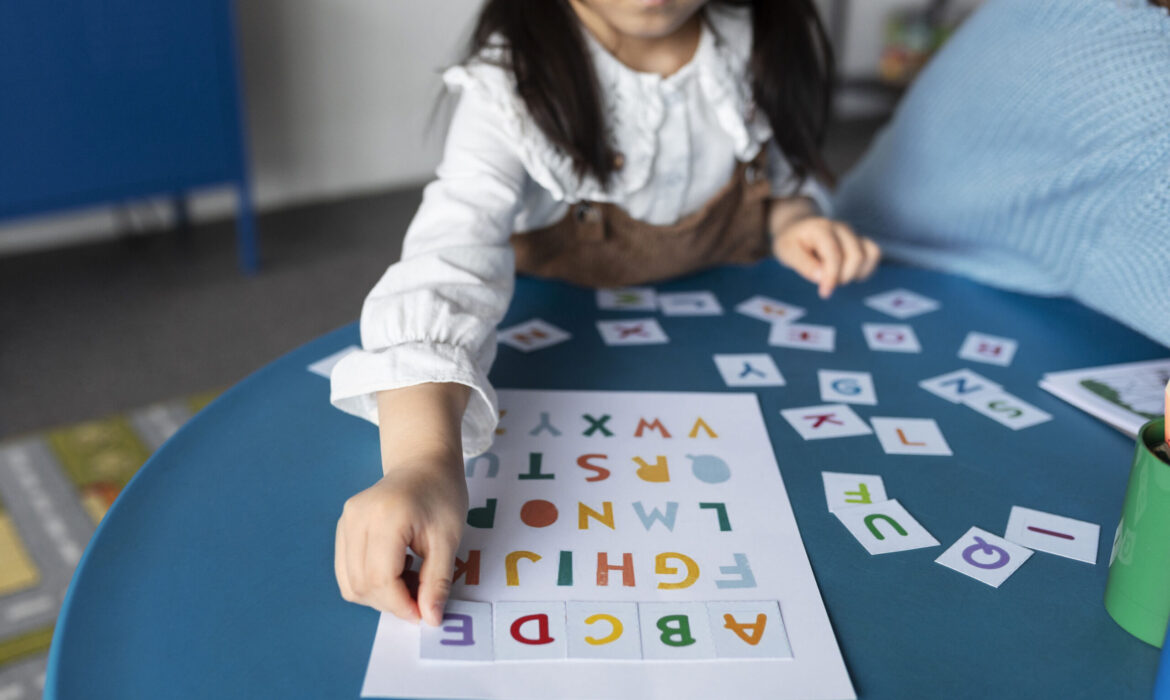
What Is Global Developmental Delay (GDD)? Causes And Signs
Global Developmental Delay (GDD) is a term used when a young child is slower to reach important milestones in areas like speech, movement, learning, or social interaction. Instead of a delay in just one area, children with GDD experience challenges across multiple parts of their development. However, early recognition can make a big difference.
When delays are noticed early, families can access support and therapies that help children build essential skills and confidence. In some cases, GDD may be an early sign of a more complex condition such as autism. While not every child with GDD is on the autism spectrum, many children with autism first show signs of global delays. Therefore, understanding GDD can be an important first step in learning how to best support your child. No matter the cause, early support gives children the best chance to reach their full potential.
What Is Global Developmental Delay (GDD)?
The official global developmental delay GDD definition refers to significant lags in two or more developmental areas, without a specific cause identified right away. It’s different from other types of developmental delays that may affect only one area, for example, a child who speaks late but is otherwise developing on track. GDD involves a broader set of challenges that impact several parts of a child’s growth.
So, what is GDD in toddlers? GDD is usually diagnosed in children under the age of 5, since this is a critical period for early brain development and learning. After the age of 5, if the delays continue, a more specific diagnosis, such as autism, may be explored.
5 Common Signs Of GDD In Children:
1. Motor Skills Delays
- Difficulty holding head up, sitting, crawling, or walking at expected ages.
- Trouble with balance, coordination, or fine motor tasks like picking up small objects.
- Clumsiness or awkward body movements.
2. Speech and Language Delays
- Not using gestures, or saying simple words by expected milestones.
- Difficulty understanding simple instructions or following directions.
- Limited vocabulary or unclear speech for their age.
3. Cognitive Delays (Thinking and Learning)
- Struggles with problem-solving, remembering routines, or learning new concepts.
- Difficulty with pretend play or understanding cause and effect.
- Slower response to new situations or tasks.
4. Social and Emotional Delays
- Limited eye contact, smiling, or responding to others.
- Prefers to play alone or shows little interest in interacting with peers.
- Trouble managing emotions or adapting to changes in routine.
5. Daily Living Skills
- Difficulty using utensils, or drinking from a cup.
- Delays in toilet training compared to other children.
- Needs extra help with dressing, brushing teeth, or other self-care tasks.
Key Causes Of Global Developmental Delay:
1. Genetic Conditions
Some children are born with genetic differences that affect how their brains and bodies develop. Conditions like Down syndrome, Fragile X syndrome, and Rett syndrome are common genetic causes of GDD. These conditions can impact multiple areas of development, including learning, movement, and communication.
2. Prenatal Factors
A baby’s development can be affected before birth. This might include exposure to infections during pregnancy (such as rubella or cytomegalovirus), alcohol or drug use, poor maternal nutrition, or certain complications during pregnancy that affect brain growth.
3. Birth Complications
Difficulties during labour or delivery, such as lack of oxygen, premature birth, or low birth weight, can increase the risk of developmental delays. These complications may impact how the brain develops.
4. Environmental Factors
A child’s environment plays a key role in early development. Factors such as neglect, chronic malnutrition, exposure to toxins (like lead), or lack of stimulation can affect brain development and lead to delays.
5. Unknown or Unexplained Causes
In some cases, even after medical testing and evaluation, the cause of GDD remains unclear. This can be frustrating for families, but it’s important to remember that children can still make meaningful progress with the right support, even without a clear diagnosis.
GDD Vs Autism: Understanding The Difference And Getting The Right Support
Global Developmental Delay (GDD) and autism often show up with similar early signs, which can make it hard for parents to tell the difference. Both may involve developmental delay symptoms like late talking, trouble with eye contact, or difficulty learning new skills. GDD is typically diagnosed in children under five with delays across multiple areas and no clear cause, while autism is a lifelong condition that more specifically affects communication, social interaction, and behaviour. Some children first diagnosed with GDD may later be diagnosed with autism as they grow and their needs become clearer. Understanding the difference between GDD and Autism is important because it helps guide the right kind of support for each child. That’s why early assessment by professionals is so valuable for families.
AUTISMSTEP is here to support families from the very beginning. Our mission is to help children thrive by offering free developmental screening and access to personalised therapy services. If your child shows signs of delay, our team works closely with you to understand their needs and build a support plan. We provide therapy for speech, motor skills, social development, and more, all in a caring and supportive environment. Families also receive guidance and encouragement at every step of the journey. Whether your child has GDD, autism, or is still undergoing assessment, AUTISMSTEP is here to support you every step of the way.
Conclusion:
If you’re noticing signs of delay in your child’s development, trust your instincts – it’s never too early to ask questions or seek support. Understanding Global Developmental Delay (GDD) and how it differs from autism is an important first step toward getting the right help. With early intervention, children can make real progress in communication, learning, and everyday skills. AUTISMSTEP is here to guide you through that process with compassion, expert care and personalised therapy. Book a developmental screening with AUTISMSTEP today.

What Is Stimming? Understanding Self-Stimulatory Behaviours In Children With Autism
If you’ve ever noticed a child flapping his/her hands, rocking back and forth, or repeating certain sounds or movements, you may have seen stimming in action. While these behaviours might seem unusual at first, they often serve an important purpose in helping children with autism feel more in control and comfortable. Technically, stimming in autism, which stands for self-stimulatory behaviour, is a natural and common way many children cope with emotions, process sensory input, or express excitement or stress.
Understanding stimming in autism can ease uncertainty and strengthen the bond between children and their caregivers. This blog post is here to help parents, educators, and caregivers recognise what stimming is, why it happens, and how to respond with compassion.
Why Do Children With Autism Stim?
To understand what stimming is in autism, it’s important to recognise the reason behind it. Stimming is not random or meaningless. For children with autism, whose brains often process sights, sounds, and sensations differently, stimming can be a way to create a sense of balance and control. Everyday environments can feel overwhelming or unpredictable, and stimming helps many children navigate those challenges.
Stimming behaviours in autism can serve a variety of functions. Some children stim to self-soothe during moments of anxiety or stress. Others use it to cope with sensory overload when lights are too bright, sounds are too loud, or textures feel uncomfortable. It can also be a way to express strong emotions like excitement or frustration. In many cases, stimming helps regulate emotions and provides comfort during unfamiliar or intense situations.
Rather than trying to stop these behaviours, it’s more helpful to understand what the child might be coping with. Stimming can be a meaningful and necessary part of how a child with autism experiences and interacts with the world around them.
Common Stimming Behaviours In Children With Autism:
Hand flapping
Rapidly moving or flapping hands are often seen when the child is excited, anxious, or overstimulated.
Rocking back and forth
Sitting or standing while moving the upper body rhythmically. This can be calming or a response to stress.
Spinning objects or self
Fixating on spinning toys or physically spinning in circles. It may help regulate visual input or provide sensory satisfaction.
Repetitive speech or sounds (echolalia)
Repeating the same words, phrases, or sounds. This can be a way to process language, self-soothe, or express emotion.
Tapping or banging objects
Repetitive tapping, banging, or hitting toys or other items to create predictable sounds or rhythms.
Flicking fingers or objects
Wiggling fingers near the eyes or flicking objects to enjoy visual effects or sensory feedback.
Pacing or walking in patterns
Repeatedly walking back and forth or in circles. This may help release energy or manage emotions.
Visual stimming
Staring at lights, moving fingers in front of the eyes, or watching moving objects move repetitively.
Touching or rubbing textures
Constantly seeking out certain textures to touch or rub, which may bring comfort or sensory satisfaction.
Self-injurious behaviour
In some cases, stimming can involve harmful actions like headbanging or biting. These forms should be addressed with care and professional support.
How To Approach Intervention:
Understand the trigger.
The first step is to observe the stimming closely and look for patterns. Ask yourself what might be prompting the behaviour. Is the child feeling overwhelmed by noise or bright lights? Are they anxious, frustrated, bored, or trying to communicate something they can’t express in words? Identifying the root cause helps guide a response that is supportive rather than reactive.
Offer safe alternatives.
If a stim is potentially harmful or socially challenging, try to redirect it rather than shut it down. Offer safer options that still meet the child’s sensory or emotional needs. For instance, if a child squeezes on others when anxious, you might introduce a stress ball instead. The key is to validate the need behind the behaviour while finding healthier or more practical ways to fulfil it if it is not possible to reduce it.
Create a sensory-friendly environment.
Sometimes, stimming increases simply because the environment is too intense. Making small adjustments, like dimming harsh lights, reducing background noise, offering noise-cancelling headphones, or providing calming textures, can reduce sensory overload and make the child feel more in control. A calm, predictable space helps reduce the need for intense stimming in the first place.
Collaborate with professionals when needed.
If the stimming is causing harm or seems rooted in deeper emotional or sensory challenges, it’s a good idea to seek guidance from qualified professionals. Professional therapists can assess the behaviour and suggest strategies that align with the child’s needs.
AUTISMSTEP offers personalised, evidence-based support for families navigating behaviours like stimming, with intervention plans that are respectful, practical, and tailored to each child’s unique development.
With empathy and the right support strategies, you can help your child manage stimming without taking away a behaviour that plays a meaningful role in how they cope and communicate.
Conclusion:
Stimming is a common behaviour for many children with autism. It helps them manage emotions, handle sensory input, or feel more secure in overwhelming situations. While some types of stimming may need gentle support, especially if they cause harm or disrupt daily life, most are simply part of how a child copes and communicates. It is important to understand it, respond with empathy, and create a space where the child feels safe and supported.
If you’re looking for guidance on how to support your child through behaviours like stimming, AUTISMSTEP is here to help. Our personalised, evidence-based programs are designed to meet each child’s unique needs and support families with care and confidence. Reach out to us today.

Understanding Savant Syndrome: Myths Vs. Facts
Savant Syndrome is a rare condition where a person shows remarkable skills in areas like music, art, mathematics, or memory, even while facing challenges in other aspects of daily life. In some children with autism, these unique abilities may appear. While savant abilities are sometimes linked to autism, they are not exclusive to it. Children without autism, including those with certain brain injuries, have also been known to develop savant abilities.
Because of the way it is often portrayed in movies or stories, many people carry mistaken beliefs about what Savant Syndrome really means. This blog is here to highlight Savant Syndrome facts and myths. Gaining a clear understanding allows us to see Savant Syndrome in autism and beyond with balance and compassion, while ensuring every child is valued and supported. Hence, let’s begin by learning about Savant Syndrome.
The Science Behind Savant Syndrome:
Scientists are still exploring why these abilities appear, and several theories help explain the phenomenon. Some research suggests that differences or injuries in the brain’s left hemisphere may allow the right hemisphere to work more strongly, supporting skills like creativity, memory, and spatial awareness. Other studies point to unique brain connections that may enhance recall or pattern recognition. What researchers do agree on is that every individual with Savant Syndrome is unique, and their abilities should be celebrated with the same care and support given to their everyday needs.
Separating Myth From Fact: 4 Things To Know About Savant Syndrome
Myth 1: All children with autism have savant abilities
Fact: Only a small percentage of children on the spectrum display savant skills. While films and media often portray autistic characters as mathematical geniuses or musical prodigies, this is not the reality for most families. The majority of autistic children have their own strengths and interests, but not at savant levels. This distinction matters, because assuming all autistic children have these extraordinary abilities can put pressure on both the child and their family. When autism and savant syndrome are explained with accuracy, it shows the truth: autism is a spectrum, full of diversity, and every child’s journey is unique, whether or not they have savant skills.
Myth 2: Savant abilities appear magically without effort
Fact: While some abilities seem to appear at an early age and look effortless, in many cases, children develop these skills through focus, repetition and practice. For instance, a child who spends hours memorising train schedules or practising piano pieces may refine their skills over time until they appear extraordinary. This means that savant abilities are not “magical” but rather linked to the way the child’s brain processes information and engages deeply with their interests. Recognising this helps parents and educators value the child’s dedication and effort, rather than thinking of the ability as an inexplicable gift.
Myth 3: Children with savant abilities are geniuses in every area
Fact: Savant skills are usually limited to very specific areas such as calendar calculation, detailed memory, or musical ability. A child who can recall dates from decades ago may still need support with language, social communication, or daily living tasks. These narrow but exceptional abilities do not automatically mean the child has advanced intelligence in every area. Understanding this balance helps caregivers and teachers celebrate a child’s strengths without overlooking the areas where they need extra guidance and care. It also protects children from unfair expectations to excel at everything.
Myth 4: Savant Syndrome is only found in autism
Fact: Although savant skills are more common among individuals with autism, they are not exclusive to autism. Both children and adults without autism, particularly those who have experienced brain injuries or neurological conditions, may also develop savant abilities. This means that Savant syndrome in autism is only one part of a much broader picture. By understanding this, we avoid boxing children into narrow categories or assuming abilities based on diagnosis.
The Importance Of Breaking Myths:
Dispelling myths about savant syndrome is about more than correcting misconceptions; it’s about nurturing understanding and compassion. By breaking down these stereotypes, parents and caregivers can focus on celebrating their child’s unique strengths while still recognising the support they may need in other areas of life.
Looking at Savant syndrome facts and myths side by side helps paint a more balanced picture. Savant skills, while often extraordinary, are only one part of a child’s identity. Every child should be valued for who they are and supported in their challenges, celebrated in their strengths, and accepted fully as individuals. At AUTISMSTEP we believe that breaking these myths paves the way for inclusion, acceptance, and genuine appreciation of every child’s uniqueness. Our goal is to support parents and caregivers in building a world where differences are respected and every child feels valued. By spreading accurate knowledge and compassion, we take steps toward a future where children with or without savant abilities are equally embraced. At AUTISMSTEP, we are committed to walking alongside families on this journey, providing guidance, resources, and encouragement so that no child’s potential is overlooked.
Conclusion:
Savant Syndrome is fascinating, but it is also often misunderstood. By separating myths from facts, we can create a more compassionate and realistic picture that celebrates children’s strengths while also recognizing their needs. Every child, whether or not they have savant abilities, deserves to be supported, valued, and embraced for who they truly are. At AUTISMSTEP, we are dedicated to guiding and empowering families with the knowledge, resources, and encouragement they need to help their children thrive. Visit AUTISMSTEP today to learn more and join us in building a future of acceptance, inclusion, and genuine appreciation for every child’s uniqueness.

Autism Strengths And Weaknesses: How To Nurture Potential Through Therapy
Finding out your child is on the autism spectrum can bring a mix of emotions – relief that you finally have answers, worry about the road ahead, and a strong desire to help them reach their full potential. While it’s natural to focus on challenges at first, it’s just as important to recognise your child’s unique autism strengths and weaknesses. Many children on the autism spectrum have remarkable abilities in areas like creativity, memory, problem-solving, and honesty – qualities that can become real assets when supported in the right way.
Therapy can be a powerful way to bring out those abilities while helping with areas that are more difficult. By nurturing autism strengths through therapy, you can give your child tools to thrive both now and in the future. The goal isn’t to change who they are; it’s to help them grow with confidence, celebrating what makes them unique while supporting their development.
Understanding Autism Strengths And Weaknesses:
Each child on the spectrum has a unique set of abilities and challenges, and recognising both is key to helping them build confidence and independence. Understanding both strengths and difficulties helps parents, caregivers, and educators provide the right kind of support. Below are some of the most common strengths and hurdles that children on the autism spectrum may experience.
Common Strengths in Children with Autism:
- Strong memory and detail orientation – Many children have an impressive ability to remember facts, routines, and details that others might miss. This sharp attention to specifics can be an advantage in schoolwork, hobbies, or future careers.
- Creative thinking and unique problem-solving – A different way of seeing the world often leads to fresh perspectives and out-of-the-box solutions. These children can approach challenges in ways that surprise and inspire those around them.
- Deep focus on interests (“special interests”) – When a topic captures their attention, many children can explore it with remarkable dedication. These passions can be powerful motivators for learning and skill-building.
- Honest, direct communication – Speaking their mind without pretence is a trait some children display naturally. This straightforwardness can make their interactions refreshingly genuine and trustworthy though we often need to teach our children how to express their genuine thoughts tactfully
Common Challenges:
- Sensory sensitivities – Bright lights, loud noises, certain textures, or strong smells can be overwhelming, making everyday environments difficult to navigate.
- Social interaction and communication difficulties – Some children may struggle to read facial expressions, understand tone, or know how to start and maintain conversations.
- Emotional regulation struggles – Managing strong emotions like frustration, anxiety, or excitement can be challenging, sometimes leading to meltdowns or withdrawal.
- Transitions and changes in routine – Shifts in plans, new environments, or unexpected events can be stressful, as predictability often provides comfort and stability.
Supporting a child with autism means seeing the whole picture – their abilities and their challenges. Strengths can sometimes help compensate for difficulties; for example, a strong memory may help a child navigate social situations by remembering scripts or cues, even if spontaneous conversation feels hard. By leaning into what they do well, you can create pathways for growth in areas they find more difficult.
When attention is placed only on deficits, it can unintentionally send the message that a child’s worth is tied to what they struggle with, which can harm self-esteem and motivation. On the other hand, focusing solely on strengths without addressing real challenges may leave them unprepared for situations they will inevitably face. A balanced approach, celebrating strengths while building skills in weaker areas, fosters both confidence and independence, helping children feel capable, valued, and ready to take on the world.
Guide To Unlocking Your Child’s Potential Through Therapy:
Start with a clear understanding of your child’s abilities and needs.
Knowing your child’s specific autism strengths and weaknesses helps you choose the right therapy approach from the start. The AUTISMSTEP STEP Assessment is an excellent starting point. It gives you a detailed picture of your child’s abilities, areas for growth, and learning style, so you can build a plan that’s truly personal and effective.
Build strong communication skills by integrating therapies for greater impact.
Communication is one of the most important skills to develop, and it can open doors to learning, friendships, and independence. Verbal Behaviour Therapy teaches language in a functional, everyday way, showing children how to ask for what they need, share their thoughts, and connect with others. Alongside this, Speech Therapy works on the mechanics of communication, such as pronunciation, vocabulary, and understanding spoken language. Together, they help your child feel more confident expressing themselves in any setting.
Combining the right approaches can make progress much faster. When Verbal Behaviour Therapy is paired with Speech Therapy, your child not only learns how to communicate but also why communication is meaningful. This blend can make conversations easier, reduce frustration, and help your child join in with family, friends, and peers more comfortably.
Support sensory and daily living skills.
Everyday life can bring challenges with textures, sounds, lights, and other sensory experiences. Occupational therapy is a wonderful way to help your child manage these sensitivities while also building skills like dressing themselves, writing, or using utensils. Over time, these skills increase independence and make daily routines feel less overwhelming.
Encourage social skills development.
Many children benefit from having a safe, structured space to practice interacting with others. Social skills groups can be a game-changer. They offer guidance, role-play, and peer interaction so your child can learn to start conversations, take turns, and read body language. Remember, the more opportunities they have to practice these skills, the more naturally they’ll use them in the real world.
Leverage your child’s interests to promote learning.
The topics your child is deeply fascinated by are more than just passions; they can be powerful tools for learning and growth. Whether it’s trains, animals, music, or space, weaving these interests into therapy keeps learning fun and motivating. Therapists can use these topics to encourage problem-solving, build communication, and keep your child engaged even in challenging activities.
Maintain consistency between therapy and home.
Progress happens fastest when therapy strategies don’t stay in the therapy room. Work closely with your child’s therapists so you can reinforce the same skills and routines at home. This consistency helps your child understand that the same expectations and supports exist in all parts of their life.
Review and adapt the therapy plan regularly.
As your child grows, their needs and abilities will evolve. That’s why it’s important to revisit and adjust their therapy plan over time. Track their progress, celebrate achievements, and set fresh goals that keep them moving forward.
AUTISMSTEP provides personalised, one-to-one home-based programs, including ABA, Speech Therapy, and school shadowing programs in Singapore, to support children in various environments. Our team has earned recognition for excellence in early intervention and brings together therapists who tailor strategies to each child’s needs. With our structured, holistic approach, you can find a clear, nurturing path toward helping your child reach their fullest potential.
Conclusion:
Every child on the spectrum deserves the chance to grow in a way that celebrates their strengths while supporting their challenges. The right therapy approach can open doors to communication, independence, and joyful learning experiences that last a lifetime. At AUTISMSTEP, we believe in walking this journey with you, offering personalised programs, compassionate guidance, and practical tools that truly fit your child’s needs. Reach out to us today, and let’s begin your child’s next chapter together.
 AutismSTEP