

Key Takeaways
- Using two languages at home is not proven to cause communication delay in autistic children. Developmental differences are more closely linked to how each child processes language.
- Many families worry about bilingualism, but research and clinical experience suggest that autistic children can develop communication skills across more than one language with appropriate support.
- Parents often ask whether they should simplify language exposure, but abandoning a home language may reduce natural interaction and emotional connection within the family.
- Speech therapy for autism typically focuses on communication skills that transfer across languages, rather than limiting therapy to a single language.
- A family-centred approach, guided by professional observation and individualised support, can help bilingual households make confident language decisions while supporting communication growth.
Navigating Language Choices in Bilingual Families
For families raising an autistic child in a bilingual household, language decisions can quickly become a source of stress. Parents often wonder whether continuing to use both their mother tongue and English may slow progress, confuse their child, or interfere with speech therapy for autism. These concerns are common, especially when families receive mixed or overly simplified advice.
Many parents also ask whether they should reduce language exposure during intervention or follow recommendations they hear from other families. When therapy begins, questions about bilingual communication often become part of larger conversations about developmental progress and support strategies.
This article explores why bilingual families frequently face this question, what is often observed in autistic children growing up with more than one language, and how speech therapy for autism can be structured without requiring families to abandon a home language. The focus is on supporting informed, realistic choices that reflect each child’s individual needs.
Why Bilingual Families Often Worry About Language Delay
When a child is diagnosed with autism, families are often encouraged to simplify routines, environments, and expectations. Language use is frequently included in this conversation. Parents may be told, directly or indirectly, that using two languages could be overwhelming or make learning harder.
So, does bilingualism affect speech delay? This concern often arises when a child has not yet developed expected communication milestones. Parents may assume that hearing two languages is the reason progress appears slower.
What is important to clarify is that bilingualism itself is not a proven cause of language delay. However, children differ widely in how they process language, and autistic children can show a broad range of communication profiles. Some may manage two languages comfortably, while others may require additional support in one or both.
In many families, communication challenges are noticed early, before any deliberate language decisions are made. These challenges tend to relate more to how a child processes and uses language rather than the number of languages spoken at home. Even so, fear of “doing the wrong thing” often leads families to question their natural way of communicating.
Families who are concerned about communication development may seek guidance through early assessment or speech therapy for kids, where therapists can observe how a child responds to language across different contexts.
Autism, Communication, and Language Exposure
Autism influences how individuals engage with language, social cues, and interaction. Differences may appear in understanding intent, using words functionally, or responding during conversation. In bilingual households, these patterns can appear across both languages.
Parents sometimes wonder whether autistic children can learn two languages, particularly when their child shows differences in communication development. The answer varies depending on the child’s learning profile, but many autistic children are capable of developing understanding and expression across multiple languages when communication support is consistent.
Some children may appear more confident in one language, while others switch between languages depending on the situation or communication partner. These patterns alone do not automatically signal confusion or delay. Code-switching is also common in multilingual environments and can reflect the child’s attempt to communicate using whichever words are most accessible.
What matters most is whether the child is supported in expressing needs, understanding others, and participating meaningfully in everyday interactions. For many families, these skills are strengthened through structured speech therapy for autism, which focuses on practical communication development rather than limiting language exposure.
Why the Home Language Still Matters
For many families, the mother tongue is used for comfort, discipline, affection, and connection with extended family members. This language often carries an emotional nuance that is difficult to express in a second language.
Should parents stop speaking their native language when therapy begins for autism? While the concern is understandable, completely removing the home language can sometimes reduce opportunities for meaningful communication.
When adults speak in a language they are less comfortable with, conversations often become shorter, more directive, and less responsive. Emotional expression may also become limited. For autistic children, these changes can reduce the richness of daily interaction.
Maintaining the home language allows conversations to remain natural and emotionally grounded. It also enables extended family members to participate more actively in the child’s communication environment. In many cases, stronger and more natural interactions support learning opportunities during everyday routines.
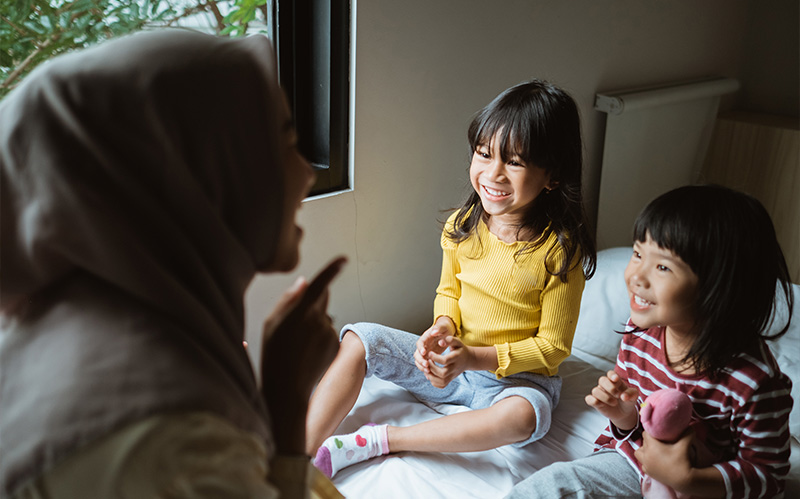
How Speech Therapy for Autism Can Support Bilingual Households
A common misconception is that speech therapy requires a child to focus on a single language. In reality, therapy often targets broader communication abilities that can transfer across languages.
Therapy sessions may work on skills such as:
- Expressing needs and preferences
- Understanding everyday instructions
- Taking turns during interaction
- Responding to questions
- Building attention and engagement
These foundational communication abilities support interaction regardless of the language being used. When therapy focuses on functional communication rather than memorising vocabulary, children can apply these skills across different environments.
Some families may also incorporate other behavioural or developmental interventions alongside therapy. In certain cases, programmes such as ABA treatments are integrated to support learning structure, behaviour regulation, and communication engagement.
The specific approach varies depending on the child’s developmental profile, communication goals, and daily environment.
Practical Ways to Support Communication in a Bilingual Home
Parents often ask what they can do day to day while managing bilingual communication at home. While every child develops differently, several practical strategies may help create consistency and reduce confusion.
1. Use the Language You Are Most Comfortable With
Parents and caregivers generally communicate more naturally in their strongest language. Using this language during play, comfort, and everyday conversation can create richer communication experiences.
2. Maintain Consistency Across Caregivers
When multiple caregivers are involved, it can help to keep certain phrases or routines consistent. Predictable communication patterns make it easier for children to recognise familiar instructions and responses.
3. Create Predictable Communication Routines
Daily routines such as meals, dressing, or bedtime provide natural opportunities to repeat key words or phrases. These routines support language understanding regardless of which language is used.
4. Observe Which Situations Support Communication
Some children respond more easily in specific environments or with certain people. Observing these patterns can help parents understand how language exposure interacts with attention and comfort.
If uncertainty remains, consultation with an autism specialist in Singapore can provide guidance based on direct observation of the child’s communication patterns.
Taking a Practical, Family-Centred Approach
For bilingual families, the goal of speech therapy is not to identify a single “correct” language. Instead, the focus is on helping the child communicate effectively in real-life situations.
When therapy aligns with the way families naturally speak and interact, communication skills are more likely to carry over into everyday routines. This approach recognises that language development is closely tied to relationships, comfort, and consistent interaction.
At AutismSTEP, our programmes take a developmental and family-centred approach to communication support. Our team works closely with families to understand each child’s language environment, learning style, and communication profile. Rather than applying rigid language rules, therapy plans are designed to support practical communication across the child’s real-world environment.
If you are considering speech therapy and are unsure how bilingual language use may affect your child’s progress, our team can guide you through the process.
Contact us to learn how a thoughtful, individualised support plan can help your child build meaningful communication skills while maintaining the language connections that matter most within your family.
 AutismSTEP