
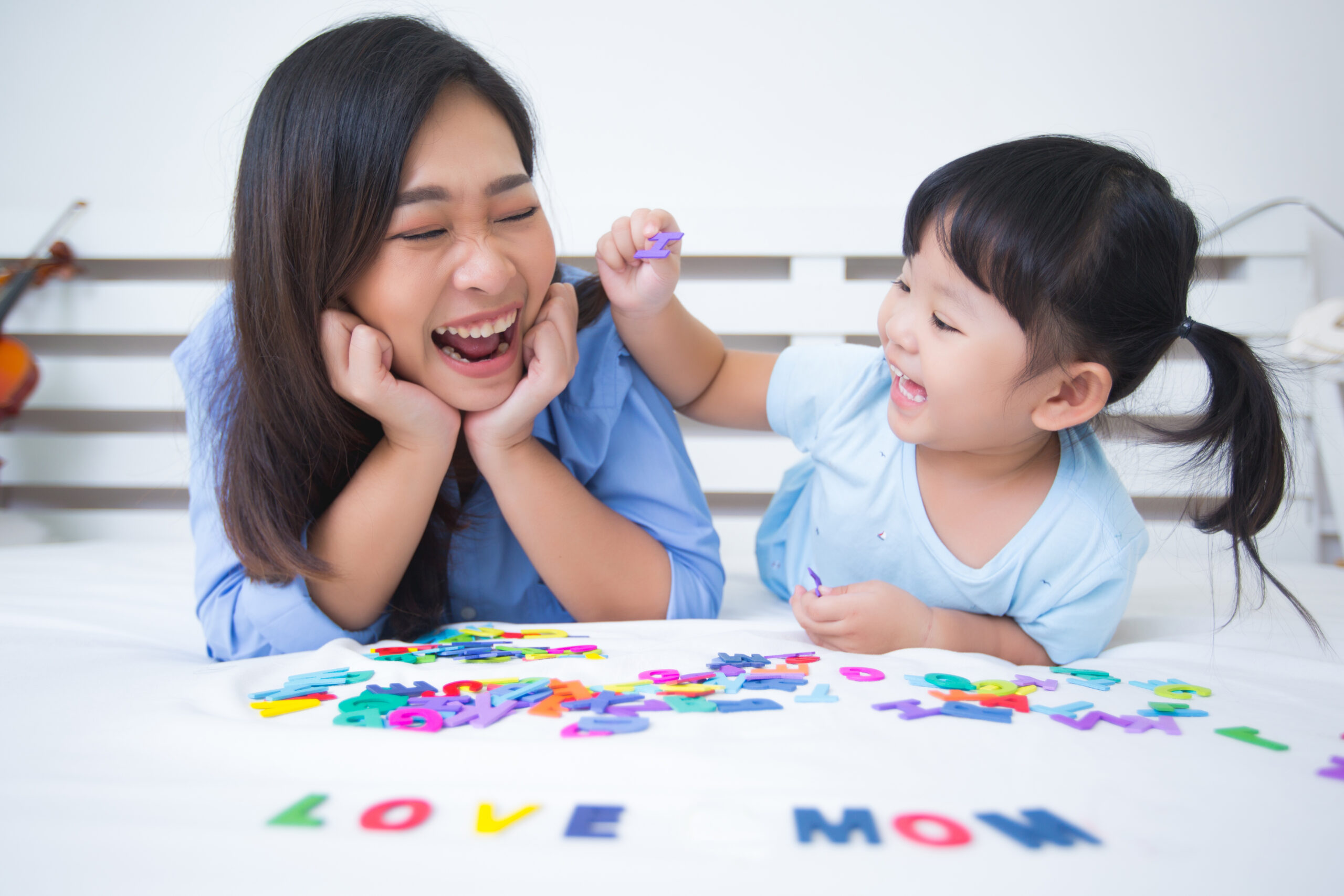
When a child isn’t talking as expected, it leaves parents feeling anxious and unsure about what to do next. Speech is more than just talking, it’s how children express needs, build relationships, and explore the world. Without a functional way to communicate, frustration builds. Hence, many parents worry: Will my child ever talk? Are they falling behind? What if no one understands them? These are real and valid concerns. Knowing what approaches can help is the first step toward progress.
Applied Behaviour Analysis (ABA) is a proven, research-backed method for teaching new skills and behaviours. Verbal Behaviour (VB) therapy works within this approach, focusing specifically on language by treating communication as a behaviour that can be taught in steps, practised, and reinforced. ABA-VB Therapy offers a structured, individualised path to help children not only learn words, but learn to use them with purpose.
Unlocking Speech: The Power Of ABA-VB Therapy
ABA-VB Therapy offers a structured, effective way to build real communication by focusing on motivation and functional language. Below are key ways this approach helps children begin to talk and connect with the world around them.
Focuses on Functional Communication
ABA-VB Therapy helps children develop practical language they can use in everyday life. Rather than memorising random words, children are taught to speak with purpose, like asking for help, expressing needs, or responding to others. This function-first approach, central to Verbal Behaviour Therapy, reduces frustration and builds real-world communication skills. At AUTISMSTEP, these methods are applied to guide meaningful speech development from the ground up.
Breaks Down Language into Teachable Units
ABA-VB Therapy breaks down communication into components like mands (requests), tacts (labels), echoics (repeating), and intraverbals (conversation). These bite-sized skills make it easier for children to learn to talk in a structured, consistent way. Verbal Behaviour Therapy applies these principles using positive reinforcement to gradually build language. This step-by-step breakdown is a key feature of ABA-VB Therapy in Singapore.
Believes In Motivation-Driven Learning
One of the core strengths of ABA-VB Therapy is its focus on motivation. Children learn to speak because they want to, not because they’re told to. Therapists use a child’s favourite items or activities to encourage verbal attempts, which makes communication more rewarding and relevant. This natural motivation model is a major reason ABA-VB Therapy is so effective for children on the autism spectrum. At AUTISMSTEP, we apply this strategy for better engagement.
Builds confidence
ABA-VB Therapy is designed to help all children, including those who are nonverbal or have very limited speech. Therapists may start with alternative communication tools like PECS, sign language, or AAC devices, though we don’t often do that as we do not want to promote non verbal communications, with the goal of building toward vocal speech over time. Every attempt at communication is celebrated, which builds confidence and opens pathways to language.
Provides Customised, One-on-One Support
Each child’s communication journey is different, which is why ABA-VB Therapy is tailored to their individual learning needs and pace. This personalised attention is key to unlocking speech in children on the autism spectrum, especially in early development. AUTISMSTEP offers customised plans that evolve as the child grows. This one-on-one structure helps therapists focus on real progress, not just milestones.
Builds a Foundation for Social Skills
Talking isn’t just about words, it’s about connecting with others. ABA-VB Therapy teaches children how to greet people, answer questions, and join conversations in a natural way. These social skills are often hard to achieve, but VB Therapy targets them early. With the right guidance, children learn to communicate not only with clarity, but also in socially meaningful ways.
Involves Families in the Process
Parents play a vital role in the therapy process, and ABA-VB Therapy makes sure they’re actively involved in learning and applying key strategies. Families receive training to reinforce skills at home, ensuring that what’s learned in the clinic carries over into everyday life. This kind of consistency significantly improves results and speeds up language development. AUTISMSTEP, a leader in ABA in Singapore, equips caregivers with the tools to support ongoing speech progress.
Pairs Well with Other Therapies
ABA-VB Therapy can be effectively combined with other interventions, including Speech Therapy, to provide a more comprehensive communication plan. While ABA-VB builds the motivation and structure for speaking, speech therapy can address mechanics like articulation and fluency. Together, these approaches create a well-rounded support system for children. AUTISMSTEP offers home-based ABA-VB Therapy as well as Speech Therapy to help you maximise outcomes.
Creates Long-Term Gains
The goal of ABA-VB Therapy isn’t just for a child to say a few words, it’s for them to communicate independently for life. By building skills that grow with the child, the therapy lays the foundation for future learning, relationships, and autonomy. For many children, these are life-changing gains that open new possibilities.
Summary:
Helping your child learn to talk is one of the most important and empowering steps you can take. ABA-VB Therapy offers more than just speech training; it builds real, functional communication that your child can use to express themselves, connect with others, and navigate daily life. From motivation-based learning to personalised support, this therapy ensures meaningful progress that lasts. It’s not a one-size-fits-all approach, it’s tailored to your child’s unique needs, strengths, and pace.
At AUTISMSTEP, families receive expert, compassionate care that delivers measurable results. If you’re looking for trusted ABA-VB Therapy in Singapore, contact AUTISMSTEP today and take the next step in helping your child find their voice.
 AutismSTEP