6 Best Autism Treatment Options in Singapore
Autism Treatment in Singapore
- Early intervention is strongly emphasised. The article highlights the importance of starting autism treatment as early as possible to support communication, behaviour regulation, and learning development during formative years.
- Individualised therapy plans are central to progress. Rather than applying a fixed programme, intervention strategies are tailored to each child’s strengths, needs, and developmental profile to ensure targeted and structured support.
- Evidence-based approaches underpin the programmes. The content places clear emphasis on structured, research-informed methods such as Applied Behaviour Analysis (ABA), reinforcing skill acquisition through measurable and systematic techniques.
- Parent involvement is positioned as a key success factor. Families are encouraged to play an active role in reinforcing therapy goals at home, creating consistency between clinical sessions and everyday environments.
- A supportive and structured learning environment is prioritised. The centre presents itself as providing a nurturing yet goal-oriented setting, combining professional expertise with a child-friendly atmosphere to encourage steady developmental gains.
Finding the Right Support for Your Child in Singapore
Finding the right support for your child in Singapore can feel overwhelming, especially with the wide range of autism support options available. Each child on the spectrum has unique strengths, challenges, and learning needs. As a result, effective support goes beyond choosing a programme. It involves understanding your child’s developmental profile, the therapy approach used, and how well the centre works with families to create consistent, meaningful progress over time.
A Quick Guide to Navigating Autism Support in Singapore
Diagnosis and Early Intervention (Below 7 Years)
Early identification allows families to access timely intervention during critical developmental stages. Support often focuses on communication, social interaction, adaptive skills, and behaviour regulation through structured, play-based, or evidence-informed programmes.
Education Support (School-Age)
School-age children may benefit from a combination of academic accommodations, social skills support, and therapy that aligns with school demands. Collaboration between families, therapists, and educators helps ensure consistency across learning environments.
Support for Adults (Post-18)
Support does not stop at childhood. Adults on the autism spectrum may seek services that focus on independent living skills, employment readiness, social communication, and emotional regulation to support long-term quality of life.
Key Resources and Organisations
Singapore offers a range of public and private organisations that provide assessments, therapy services, caregiver guidance, and community support. Understanding available pathways helps families make informed decisions based on their child’s needs and stage of development.
Therapy and Intervention Approaches
Intervention options vary and may include structured behavioural therapies, developmental approaches, and family-guided strategies. Choosing an approach involves considering your child’s goals, learning style, and the level of parental involvement required.
The 6 Core Therapies: What They Are & How They Help
Speech and Language Therapy
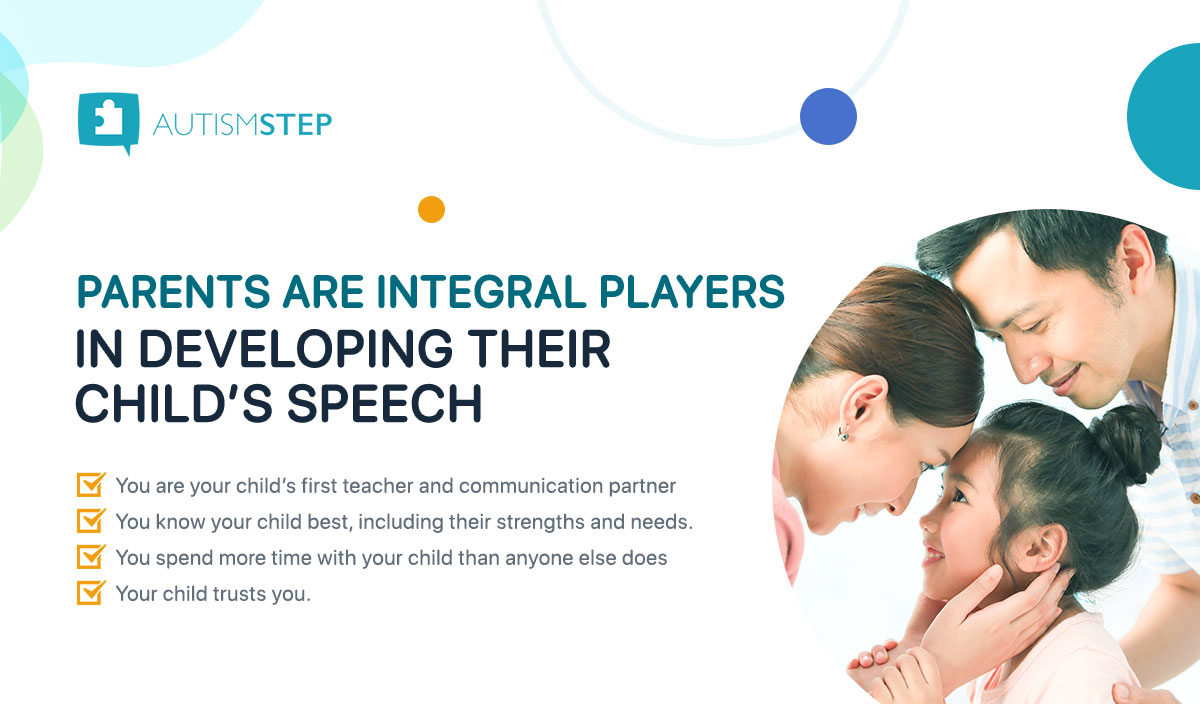
Some children with autism may not be able to speak at all or have limited speaking abilities. To communicate, they may utter grunts, cry, shriek, hum, or use robotic speech. Some may only repeat what another person is saying (echolalia). Meanwhile, on the other end of the spectrum, there are some who are able to express the right phrases or sentences, but they do so with an unexpressive tone of voice.
Speech therapy helps children learn communication and socialization skills. For children with ASD, it can help improve their verbal skills, non-verbal communication skills or learn alternate methods of communicating.
This treatment not only focuses on the aspect of speaking, but also helps children adopt proper non-verbal cues. Speech therapists will also teach proper vocal technique to help children express thought and emotions correctly.
Speech therapists assess the best ways to improve communication and enhance quality of life for children with autism. They work closely with schools, families, and other professionals in order to develop a plan that meets each child’s needs. Alternative methods are also introduced when appropriate to engage children who may not be able to speak or vocalize well on their own.
This treatment begins with an assessment of your child’s social-communication skills. From this initial evaluation, a speech therapist can recommend the following:
- Goals, strategies, and techniques
- Frequency and duration of therapy
- Parent/caregiver participation and training
Besides checking where your child stands in terms of speech, you may be advised to have your child’s hearing evaluated to rule out hearing loss as this could be the reason for their speech problems.
Music Therapy
Music has quickly become a useful tool in autism therapy because it can stimulate both hemispheres of the brain. A song or an instrument can be used to support cognitive activity to build self-awareness, social adaptation, and improve parent-child relationships.
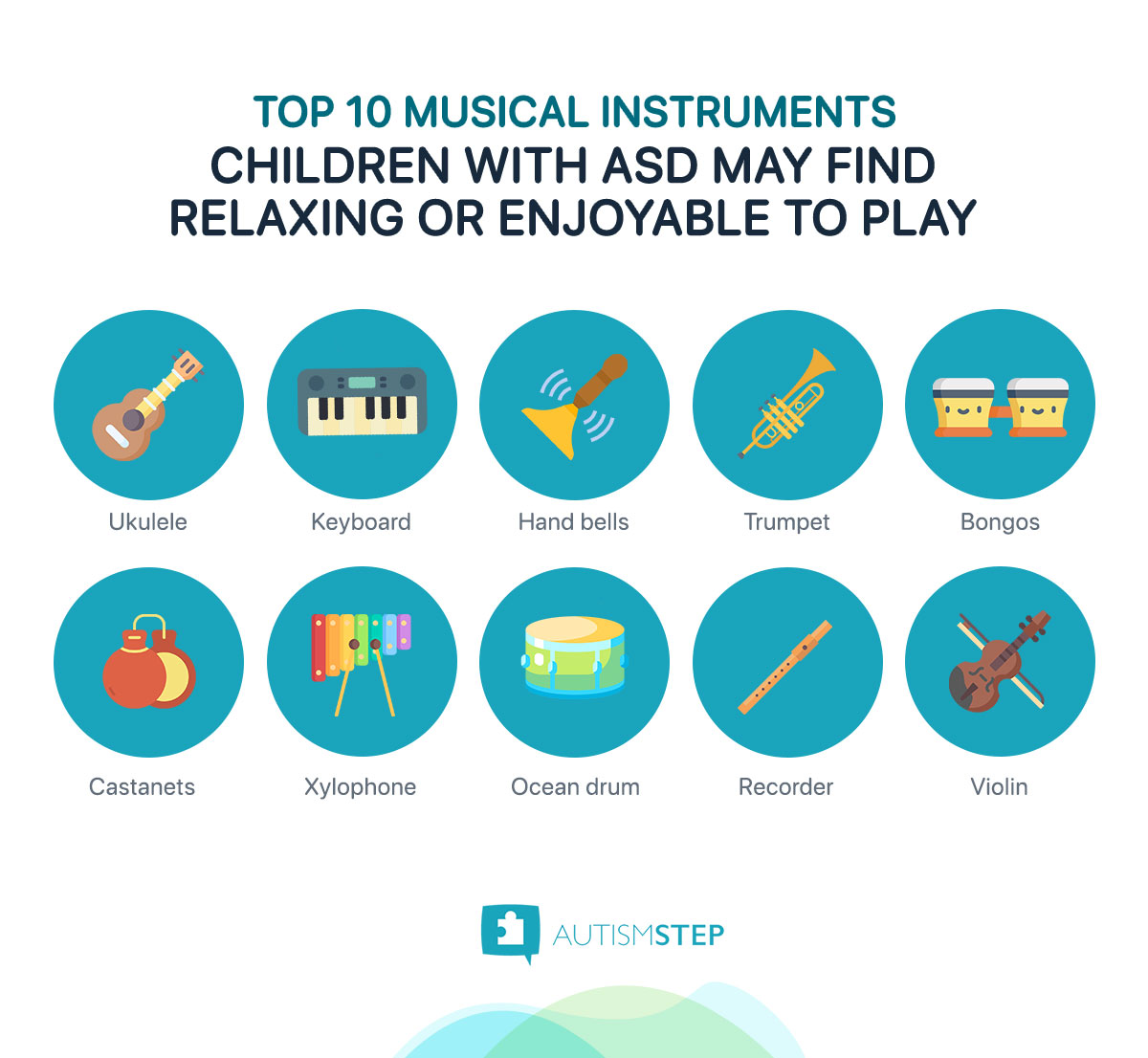
Music therapy also creates a supportive environment where parents and children can bond in a healthy way. It encourages communicative behaviour and interaction with others.
Pet Therapy

Animal-assisted therapy is not the same as using animals to give comfort and affection to confined patients. It’s also different from using service, assistance or therapy animals.
In this approach, animals are made to live with families and are trained to do things like alert the family to early signs of seizures, stop a child from wandering, or interrupt repetitive behaviour. Through continuous interaction with animals, it is hoped that the child will develop empathy, love, responsibility and communication skills.
There’s no evidence that animal assisted therapy can help change the characteristics of autism, but it can be used to help autistic children manage their behaviour.
Most of the research on ASD and pet therapy has examined children and has mainly used dogs and horses for therapy. Studies have shown positive effects for the therapy, including high satisfaction rates among the participants’ families.
Cognitive Behavioural Therapy (CBT)
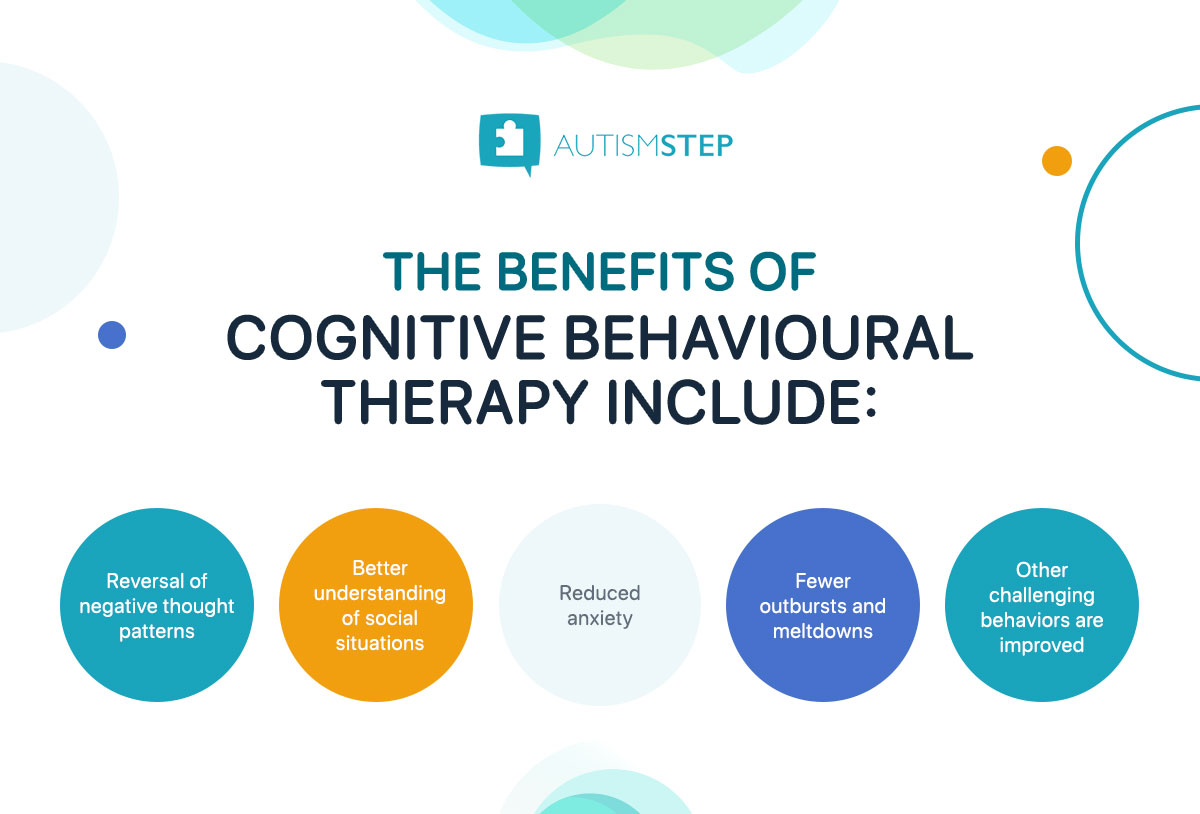
Children with ASD often get stuck in negative repetitive behaviours. To change the actions of those who manifest these patterns, it’s important to target the thoughts that motivate them.
CBT works under the assumption that all human behaviour is learned. It’s a form of talk therapy recommended for children with milder symptoms of autism. It helps the children learn techniques for managing emotions, communicating, resolving conflicts, and coping with stressful situations. It can help them understand the negative effects of their thought patterns and learn how to replace them with more positive ones.
CBT may be hinged on talk therapy, but it’s more than that. There are several techniques which include play therapy, modeling (acting out desired behaviours), restructuring, exposure, and trauma-focused CBT.
One of the main concerns with CBT is that it explores painful emotions and experiences which the child may feel emotionally uncomfortable with. This can make them cry, upset, or feel angry during a challenging session. Exposure therapy, for instance, requires the child to come face to face with difficult situations which can provoke stress or anxiety. However, these negative reactions can be minimised with a skilled therapist.
Occupational Therapy (OT)
A significant percentage of children with autism display significant unique sensory behaviours. For instance, they may excessively seek sensory stimuli or exhibit extreme avoidance or aversion to normal sensory stimuli. This results in pronounced stereotypic, repetitive and rigid behaviours which has an impact on the child’s ability to participate in daily activities and learning. Children with autism who exhibit unusual sensory responses will benefit from occupational therapy.
Furthermore, children in the autism spectrum may also have perceptual distortion, fine & gross motor coordination problems, and impaired self–care and play skills. Occupational therapy consultation should also be explored to target such issues.
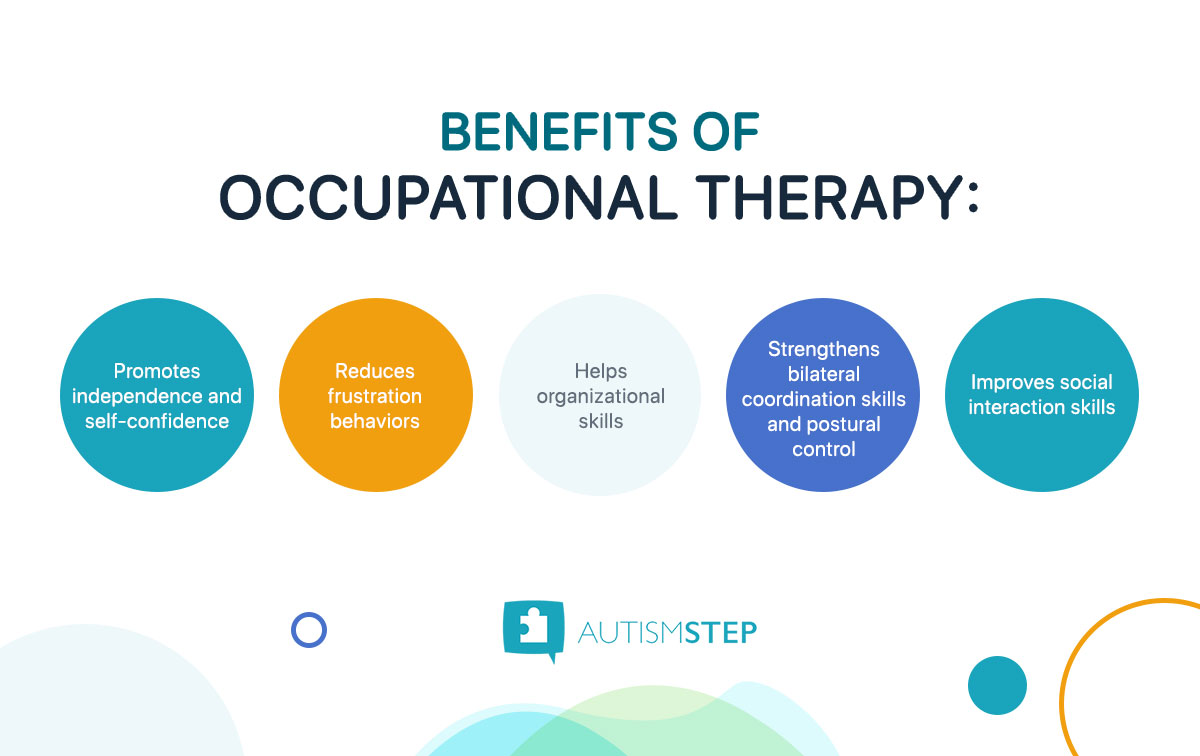
OT focuses on mastering skills that are useful for children on a daily or frequent basis. The main goal is to foster self-sufficiency in young children who have difficulties performing basic tasks due to sensory processing disorders and learning differences. This type of treatment can also help them discover activities that can help reinforce particular skill sets.
The early interventions made by occupational therapists will depend on the goal that parents have for the child. The child undergoes an evaluation which will also identify suitable activities that parents and caregivers can do throughout the day to reinforce a skill, improve sensory processing, or encourage new learning.
Some of the usual goals of this treatment include being able to dress independently, feed themselves, and develop fine and gross motor skills (e.g. writing, coloring, or cutting with scissors).
Applied Behavioural Analysis (ABA)
Typically, children on the autism spectrum resort to difficult behaviours such as shouting, aggression, and self-injury to get what they want. This aggression stems from a difficulty in interpreting social cues and making sense of what other people want them to do. For example, it’s harder for these kids to know how much noise is too noisy or how loud someone wants you to be during conversations because they often don’t have a grasp of the reasons why we use our voices differently depending on context.
To help them understand themselves better, we need to be observant of their motives for these actions so that we can work with them towards a more meaningful solution. For this purpose, the most common form of therapy which is Applied Behavioural Analysis (ABA) is used. It is a behaviour modification technique based on classical and operant conditioning.
ABA focuses on changing social and learning environments to help children with autism acquire communication and life skills. Rather than focusing only on extinguishing unwanted behaviours, ABA applies a learning paradigm to change. This paradigm fosters behaviour and skill repertoires that will compete with undesired behaviour. Among the different treatments for autism, ABA is the most established and well-documented approach for children with ASD and other behavioural disorders.
ABA versus CBT
Since it also targets behavioural aspects, ABA is often compared to cognitive behavioural therapy. One main distinguishing factor is that CBT takes a much broader approach while ABA addresses specific and immediate behavioural issues.

Benefits of ABA Therapy for children with autism
So what can your child stand to gain with ABA therapy? There are several benefits:
1. It teaches social skills
It can be difficult for children with autism to make friends and socialize. Fortunately, behavioural interventions used in ABA can help children of all abilities develop social skills that can lead them on the path towards making connections with others. Some of the areas that you will likely see improvement in are eye contact, responding to name and instructions, imitation skills, pointing and joint attention.
2. It provides structure and support
ABA Therapy in Singapore follows a systematic and scientific approach, which can sometimes be repetitive. This repetition provides the structure that most children with autism prefer. The strategies applied in ABA therapy are also able to progress outside of treatment centers since therapists will train parents on these methods so they may continue them at home or other outdoor venues like schools and events.
3. Improves independent living skills
It’s pertinent in ABA therapy to track a child’s progress to take note of behavioural patterns and respond to them accordingly. This allows parents, caregivers, and teachers to encourage independent living skills like getting dressed, brushing teeth, and using the toilet.
4. Increases life satisfaction
When children develop independence, social skills, and the ability to manage frustrations, it gives them a sense of empowerment. While the process may take a while, engaging in these activities shows the child that it’s possible for them to achieve what others can at least to some degree. Through that they can form skills that can help them form bonds and enjoy the intangible benefits that come with human interaction.
5. Scientifically-proven
ABA is an evidence-based intervention complete with a clinical framework to prove that the strategies within this modality are effective. Through ABA children are taught the concrete skills needed to perform basic functions independently and engage in their communities in healthy ways.
6. It helps build positive coping skills
Studies have shown that ABA can cause a substantial decrease in harmful behaviours. This is especially important if your child is prone to self-harm or wandering. But if an ABA therapist is not properly trained or attuned to the child’s needs, he or she could inadvertently make target behaviours worse, or lead to the creation of new problem behaviours.
7. It helps parents and children
SWith the help of trained therapists, parents and teachers can now learn the best ways to guide children in the autism spectrum, increasing their chances of achieving their goals. Instead of merely trying to get through each day with a few meltdowns, caregivers will have a concrete treatment plan that is effective and productive.
At AutismSTEP, we use the beneficial effects of ABA therapy to help children with autism progressively improve. We believe in the constructive effects of this treatment and we have certified therapists on board to help your child through the process using a customised approach.
If you are keen to place your child under this treatment, these are certain measures to make the process less overwhelming for them, especially at the start.
We understand that you want to give them the help they need as soon as possible. But before anything else, you may want to go through some checklists to ensure that they are given the best experience possible.
How to Prepare Your Child for Their First ABA Session
You can help prepare your child’s first visit with the following:
- Provide a support system. Encourage family members to be proactive with this treatment plan and ask for their support.
- Create a “therapy” space at home. It helps that you have a dedicated space that is as distraction-free as possible. We suggest using a specific room or a separated space for ABA therapy sessions. Make sure that it is quiet and as calm as possible.
- Prepare your child. ABA therapy will be tolerated well when you establish routines and structure with your child.
- Educate yourself. ABA is not for every child on the spectrum. It is, therefore, your responsibility to do proper research and talk to professionals before choosing this treatment for your child.
We hope that this will provide you with all the necessary information to help you in your decision to find treatment. If you wish to seek help for your child, the sooner you do it, the better. Let’s schedule an evaluation today by calling +65 6456 9950, or send us a message here, and let’s work on how your child can progress.
Your Next Step: Start Your Journey with AutismSTEP
At Autism Step, support is guided by structured, evidence-informed intervention tailored to each child’s developmental profile rather than a one-size-fits-all programme. The team works closely with families to establish clear goals, track measurable progress, and implement practical strategies that extend beyond therapy sessions into everyday life.
Contact us to explore autism support in Singapore and receive guidance on the next steps for your child. Arrange a consultation today.
Frequently Asked Questions
What is autism treatment in Singapore focused on?
Autism treatment in Singapore typically focuses on building communication, social, behavioural, and daily living skills through structured, evidence-informed intervention that is adapted to each child’s developmental needs.
When should parents consider seeking support for autism?
Parents often explore treatment for autism once developmental concerns are identified or after a formal diagnosis. Early support can help children develop foundational skills during critical learning stages.
How do I choose an autism specialist in Singapore for my child?
Choosing an autism specialist in Singapore involves reviewing the centre’s therapy approach, the qualifications of therapists, how progress is tracked, and whether families are actively involved in the intervention process.
Does autism treatment include speech and communication support?
Yes. Many programmes in Singapore integrate speech therapy for kids to support language development, social communication, and functional expression as part of a broader intervention plan.
Is ABA commonly used in autism management in Singapore?
Applied Behaviour Analysis is widely used and recognised as one of the structured approaches available. Parents often look for the best ABA therapy in Singapore based on programme quality, individualisation, and therapist supervision.
How can parents learn more or start autism care and support in Singapore?
Parents can begin by reviewing the centre’s approach, understanding the role of the team behind the programmes, and reaching out through the contact us page to arrange an initial discussion or consultation.